
Despite the aggressive global push toward a cashless society and the ubiquity of mobile payment systems, Spanish consumers are increasingly returning to physical currency. Recent data and institutional guidance indicate a surprising trend: citizens are doubling their cash reserves as a precautionary measure against economic instability.
- Spanish citizens are significantly increasing the amount of physical cash held at home.
- The Bank of Spain suggests maintaining a minimum emergency cash cushion, with some reports citing a baseline of 70 euros.
- Consumers report a higher perceived sense of savings and spending control when using cash over credit cards.
- The trend persists despite the rapid adoption of digital wallets and mobile payment technologies.
The Emergency Buffer
The shift toward hoarding physical currency has caught the attention of financial regulators. According to local media reports, the Bank of Spain has highlighted the importance of maintaining a liquid “emergency cushion” at home. While digital banking offers convenience, the central bank’s recognition of the need for physical reserves suggests a strategic hedge against potential systemic failures or temporary outages in digital payment infrastructure.
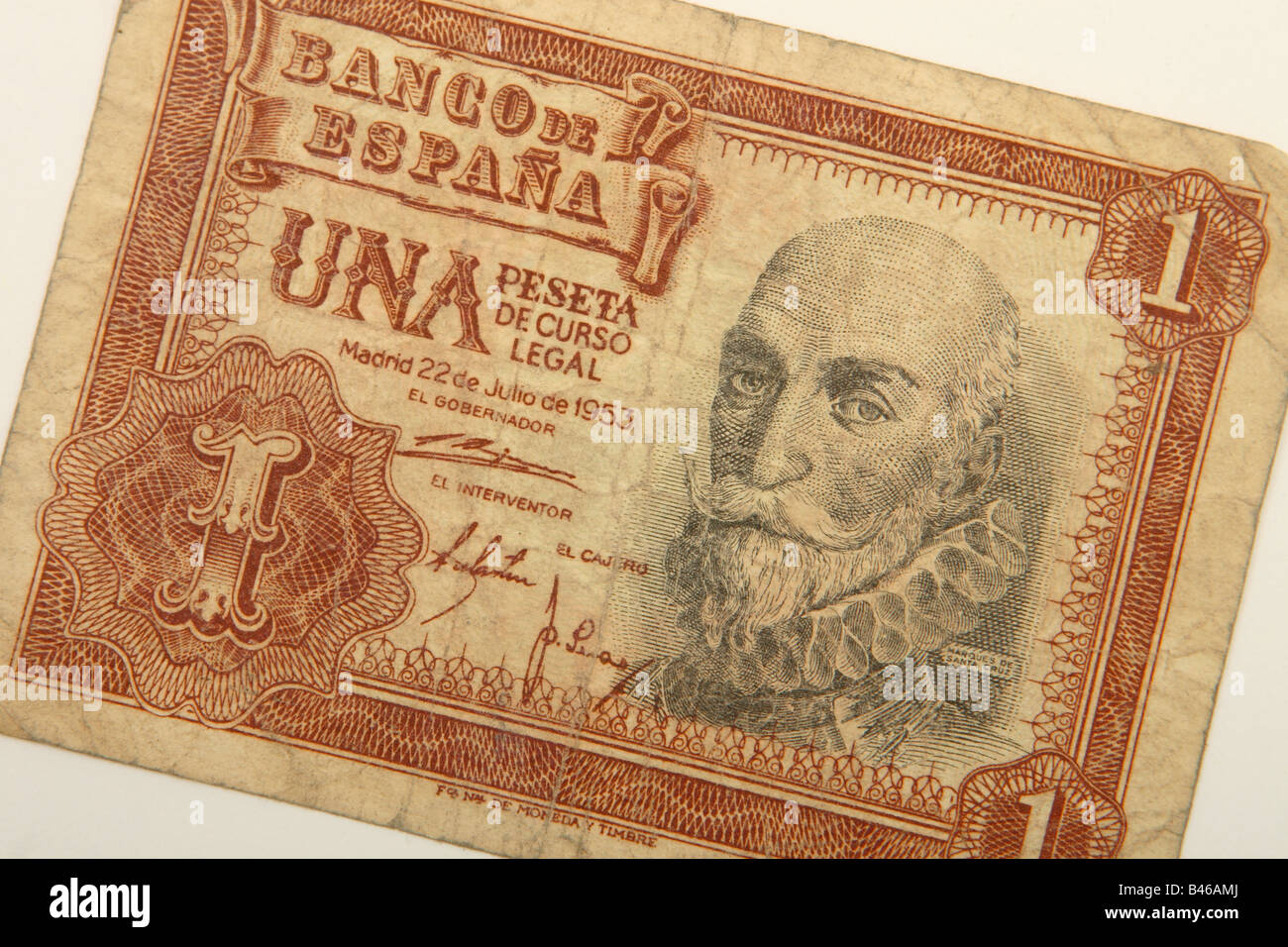
The scale of this movement is substantial. Reports indicate that some Spanish households have doubled their cash holdings, reflecting a broader psychological shift toward financial self-reliance and precaution in an uncertain economic climate.
The Psychology of Spending
Beyond emergency preparedness, the return to cash is being driven by a desire for better budget management. Many consumers find that the tactile nature of physical money creates a psychological barrier to overspending that digital transactions lack.
When you go to fill up the gas tank, it’s not the same to pay 20 euros with a bill than with a credit card; you save more paying in cash.
This sentiment reflects a common behavioral economic trend where the “pain of paying” is more acute with physical currency, leading to more disciplined spending habits. For many, the seamless nature of a credit card swipe or a mobile tap obscures the actual depletion of funds, whereas physical bills provide an immediate, visual representation of a remaining budget.
Resisting the Digital Shift
The resilience of cash in Spain occurs amidst a wider European trend toward digitalization. However, the current behavior suggests that the transition to a fully cashless economy may be slower than analysts previously predicted. The preference for cash is not merely a matter of habit but a calculated choice based on security, privacy, and financial control.
As digital payments continue to integrate into daily commerce, the coexistence of high-tech payment rails and traditional cash reserves indicates a hybrid approach to personal finance. For the average consumer, the ability to bypass digital intermediaries during a crisis or a routine trip to the gas station remains a priority.
