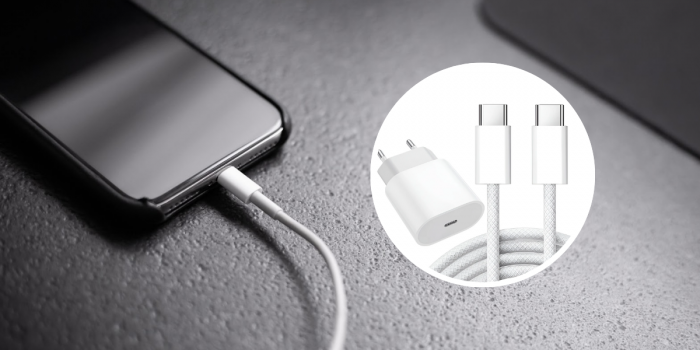
Chile is aligning its electronics market with global standardization trends by mandating the USB Type-C port as the universal charging standard for all portable devices. The government has issued a formal decree requiring manufacturers to phase out proprietary charging ports in favor of the USB-C standard to reduce electronic waste and simplify the consumer experience.
- Mandatory Standard: USB Type-C is now the official universal charger in Chile.
- Phone Deadline: All mobile phones must comply by October 2026.
- General Deadline: Other portable devices must transition by October 2028.
- Enforcement: The National Consumer Service (Sernac) is authorized to fine non-compliant brands.
Compliance Timelines for Manufacturers
The transition to a single charging standard will occur in two distinct phases to allow hardware manufacturers time to adjust their supply chains and product designs. According to public statements, the most immediate impact will be felt in the smartphone market, where the October 2026 deadline applies.

Following the mobile phone transition, the mandate extends to a broader range of electronics. By October 2028, all other portable devices—including notebooks, tablets, and other handheld electronics—must utilize the USB-C port. This staggered approach aims to prevent sudden market disruptions while ensuring a comprehensive shift toward interoperability.
Regulatory Enforcement and Consumer Impact
To ensure the decree is more than a suggestion, the Chilean government has tasked the National Consumer Service (Sernac) with oversight. Sernac will monitor the market and is empowered to issue fines to brands that fail to meet the established deadlines.
From an economic perspective, this move targets the “ecosystem lock-in” often employed by tech giants, where proprietary cables force consumers to purchase brand-specific accessories. By standardizing the hardware, the policy intends to lower the long-term cost for consumers and significantly reduce the volume of electronic waste generated by discarded, incompatible chargers.
A Shift Toward Global Interoperability
The decision mirrors similar regulatory moves seen in other major markets, most notably the European Union, which has pushed for the same standard to curb environmental impact. The adoption of USB-C in Chile signals a broader regional trend toward consumer-centric regulation that prioritizes sustainability over proprietary manufacturer designs.
As the 2026 deadline approaches, electronics brands operating in Chile will need to ensure their product roadmaps align with the decree to avoid regulatory penalties and maintain market access.
