Family of Aldon Smith Having His Brain Checked for CTE – ESPN Reports Investigation
The family of former San Francisco 49ers All-Pro linebacker Aldon Smith is seeking a medical examination of his brain for Chronic Traumatic Encephalopathy (CTE), according to ESPN. This move comes after Smith died at age 36, prompting his family to retain legal counsel to investigate the circumstances surrounding his death, as reported by NBC Sports.
Why is Aldon Smith’s family testing for CTE?
The family is pursuing a CTE diagnosis to determine if repetitive head trauma sustained during Smith’s professional football career contributed to his death or influenced his behavior and health. According to ESPN, the decision to have his brain checked is a central part of the family’s effort to find definitive answers about the cause of his passing.
Chronic Traumatic Encephalopathy is a degenerative brain disease found in people with a history of repetitive brain trauma. In the context of the NFL, this typically involves repeated concussions or sub-concussive hits. Because CTE can currently only be diagnosed posthumously through a detailed autopsy of the brain tissue, the family’s request for testing is the only way to confirm the presence of the disease.
The pursuit of this diagnosis often serves two primary purposes for families of former athletes:
- Medical Clarity: Understanding if neurological decay played a role in the individual’s mental health or physical decline.
- Legal Evidence: Establishing a link between professional sports and long-term brain damage, which can be critical for legal claims or insurance settlements.
How did Aldon Smith die?
Aldon Smith was discovered unresponsive shortly after spending his final hours engaged in charitable work. According to reports from The New York Times and Yahoo Sports, Smith was delivering pizzas to a charity for the homeless at the time of the events leading to his death.
While the exact medical cause of death has not been publicly detailed in the provided reports, the sudden nature of his passing—being found unresponsive—has led his family to seek a deeper investigation. The contrast between his final act of community service and his sudden death has been a focal point of the reporting by The New York Times.
| Detail | Reported Fact | Source |
|---|---|---|
| Age at Death | 36 | NFL.com |
| Final Activity | Delivering pizzas to homeless charity | The New York Times / Yahoo Sports |
| Immediate Status | Found unresponsive | Yahoo Sports |
| Medical Action | Brain check for CTE | ESPN |
Who is investigating the death of the former 49ers linebacker?
The investigation is being driven by Smith’s family, who have hired lawyers to scrutinize the death. According to NBC Sports, these legal representatives are tasked with investigating the specific circumstances that led to Smith being found unresponsive.
The involvement of legal counsel suggests that the family is not relying solely on the initial medical examiner’s report. By hiring independent lawyers, the family can request specific forensic tests, such as the CTE analysis reported by ESPN, and ensure that all potential contributing factors—whether medical, environmental, or professional—are explored.
This legal approach is common in high-profile athlete deaths where there is a suspicion that long-term occupational hazards, such as head trauma in the NFL, may have played a role. Legal teams in these cases typically coordinate with neurologists and forensic pathologists to ensure the brain tissue is preserved and analyzed by specialists.
What was Aldon Smith’s career impact and legacy?
Aldon Smith was once one of the most dominant defensive players in the NFL. According to NFL.com, he was selected as the No. 7 overall pick in the 2011 NFL Draft by the San Francisco 49ers.

During his tenure with the 49ers, Smith earned All-Pro honors, establishing himself as a premier pass rusher. His ability to disrupt opposing quarterbacks made him a cornerstone of the 49ers’ defense during the early 2010s. However, his career was marked by both immense athletic success and significant off-field struggles.
The trajectory of Smith’s career provides a window into the pressures faced by elite athletes:
- Elite Production: His All-Pro status confirms he reached the absolute ceiling of professional performance.
- Physical Toll: As a linebacker, Smith’s role required constant, high-impact collisions, the very type of trauma associated with the CTE testing now being sought by his family.
- Post-Career Transition: His final hours spent delivering pizzas to a homeless charity, as reported by The New York Times, highlight a commitment to service in his later years.
For those following the intersection of sports and health, Smith’s case is an example of the “hidden” cost of the game. A player can be a No. 7 overall pick and an All-Pro, yet still face a premature death at 36 that warrants a legal and medical investigation into brain trauma.
How does CTE diagnosis work for former NFL players?
The process of checking a brain for CTE, as the family of Aldon Smith is doing, is a rigorous scientific procedure. Because the disease cannot be detected via MRI or CT scans in living patients, it requires a post-mortem examination of the brain tissue.
According to general medical protocols for CTE research, the process involves:
- Tissue Preservation: The brain must be properly preserved (usually frozen) immediately after death to prevent degradation.
- Sectioning: Pathologists cut the brain into thin slices to examine different regions.
- Tau Protein Identification: Scientists look for the accumulation of an abnormal protein called “tau.” In CTE patients, tau protein forms tangles that spread across the cortex, killing brain cells.
- Pattern Recognition: Unlike Alzheimer’s, which has a different pattern of protein buildup, CTE tau typically clusters around the blood vessels in the depths of the cortical sulci (the folds of the brain).
If the analysis requested by the Smith family returns a positive result, it would provide evidence that the repetitive hits Smith took as a linebacker led to permanent, degenerative brain damage. This often leads to further discussions regarding the league’s safety protocols and the long-term care of retired players.
Comparing the reporting on Aldon Smith’s passing
The coverage of Aldon Smith’s death varies across major outlets, with each focusing on a different dimension of the tragedy. By analyzing the reports, a complete picture emerges that blends medical mystery, legal action, and human interest.
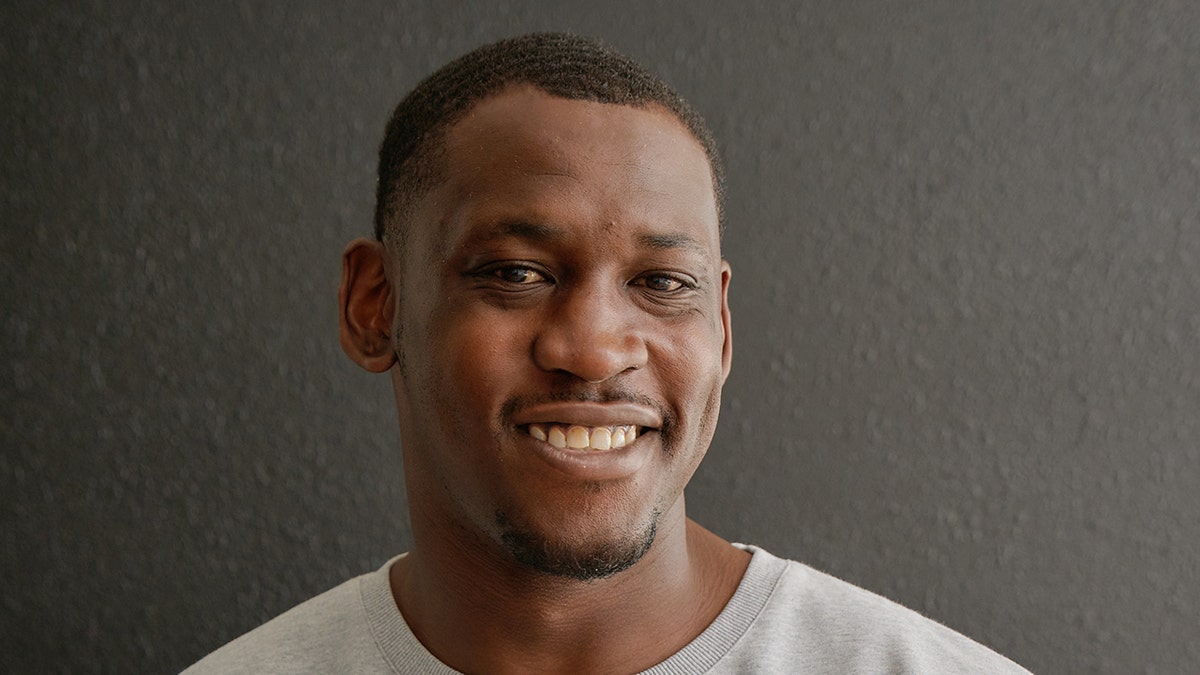
ESPN and NBC Sports have focused on the institutional and medical aspects of the story. ESPN’s reporting on the CTE brain check and NBC Sports’ coverage of the hired lawyers frame the story as a search for accountability and scientific truth. These reports prioritize the “why” and the “how” of the death from a systemic perspective.
In contrast, The New York Times and Yahoo Sports have emphasized the human element. By highlighting that Smith spent his final hours delivering pizzas to a homeless charity, these outlets paint a picture of a man who was giving back to his community in his final moments. This framing shifts the narrative from a legal battle to a story of personal redemption and kindness.
Meanwhile, NFL.com provides the professional context, anchoring the story in his status as a former No. 7 overall pick and All-Pro. This ensures that the reader understands the scale of the loss—not just as a human life, but as a loss of one of the league’s most talented athletes.
Together, these perspectives show a man who was an elite athlete, a struggling individual, a community servant, and now, a subject of a critical medical investigation.
The broader implications of CTE in professional football
The family’s decision to test Aldon Smith’s brain is not an isolated event but part of a larger, ongoing crisis within contact sports. For years, the NFL has faced scrutiny over how it handles concussions and the long-term neurological health of its players.
The pursuit of a CTE diagnosis in this case brings several critical issues to the forefront:
The “Silent” Nature of Brain Trauma
Many players do not show symptoms of CTE until years after their retirement. The fact that Smith died at 36—an age where many are just beginning to see the effects of head trauma—underscores the volatility of the condition. It suggests that the damage can be profound even in players who may have appeared functional in their post-playing years.
The Role of Legal Investigations
When families hire lawyers to investigate an athlete’s death, it often signals a lack of trust in the standard autopsy process. The goal is frequently to ensure that the “occupational hazard” of football is not overlooked in favor of more immediate, surface-level causes of death.
The Importance of Posthumous Donation
Every brain donated for CTE research helps scientists understand the disease better. By seeking this check, the Smith family contributes to a growing database of evidence that may eventually lead to a way to diagnose CTE in living patients, potentially saving lives through earlier intervention.
Related explainer on [NFL concussion protocols and player safety]
Frequently Asked Questions
What is CTE and why is it linked to the NFL?
Chronic Traumatic Encephalopathy (CTE) is a brain disease caused by repeated blows to the head. It is linked to the NFL because the nature of the sport involves frequent, high-impact collisions that can cause the brain to shake inside the skull, leading to the buildup of tau proteins that destroy brain cells over time.

Why did Aldon Smith’s family hire lawyers?
According to NBC Sports, the family hired lawyers to investigate the circumstances surrounding Smith’s death. This is often done to ensure a thorough investigation into all possible causes, including whether professional sports-related injuries played a role in his passing.
How old was Aldon Smith when he died?
As reported by NFL.com, Aldon Smith was 36 years old at the time of his death.
What was Aldon Smith doing before he was found unresponsive?
The New York Times and Yahoo Sports reported that Smith spent his final hours delivering pizzas to a charity that supports the homeless.
Can CTE be diagnosed while a person is alive?
Currently, a definitive diagnosis of CTE can only be made after death through a pathological examination of the brain. While researchers are looking for biomarkers in living patients, the “brain check” mentioned by ESPN is a post-mortem procedure.
The investigation into Aldon Smith’s death continues as the family awaits medical results and legal findings. The outcome of the CTE test could provide critical insights into the health of former All-Pros and the long-term risks associated with the linebacker position in professional football.
