
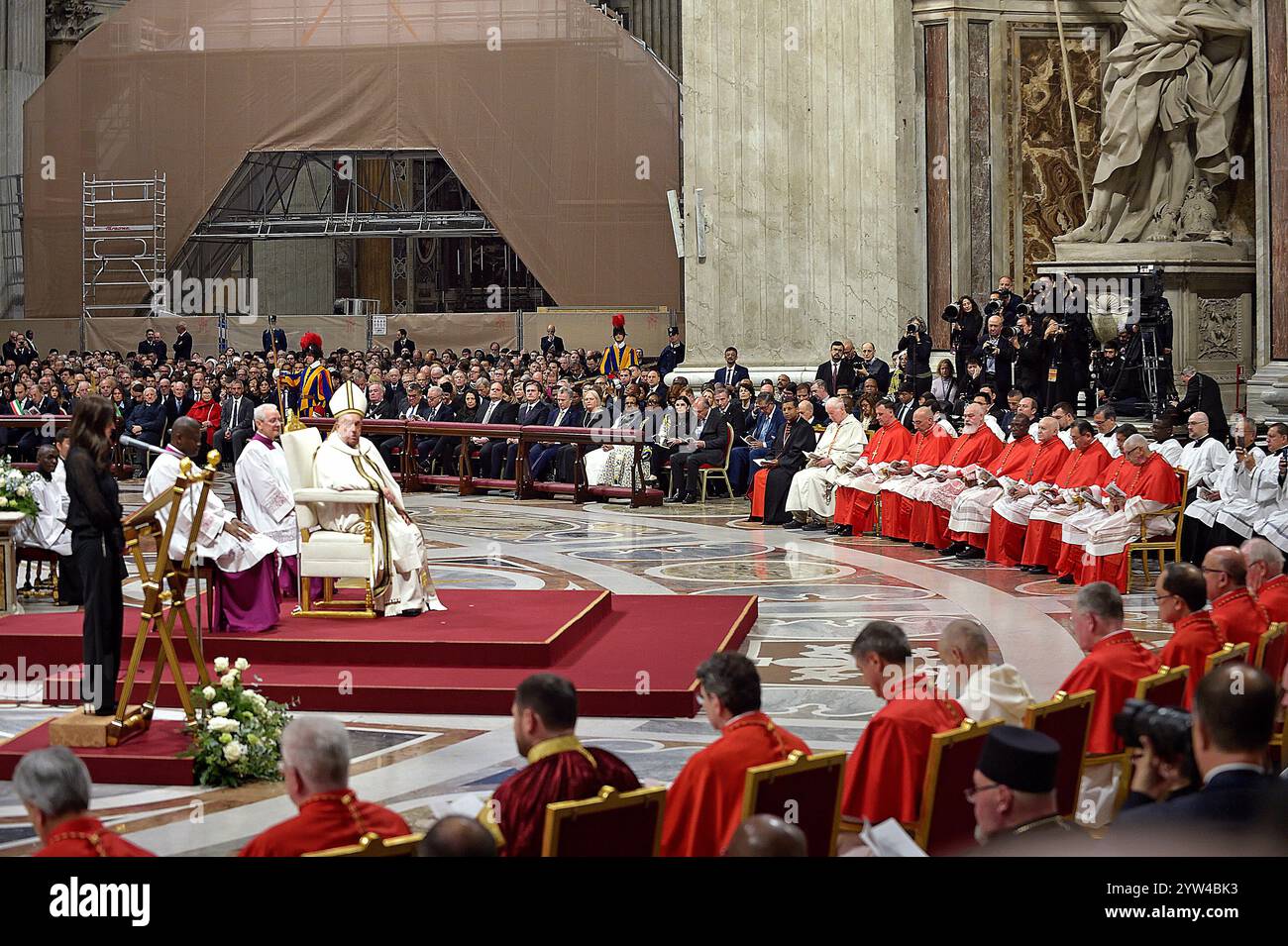
The Vatican has announced a two-day extraordinary consistory beginning Oct. 18, where Pope Francis will convene cardinals to address global conflicts and divisions, marking the first such gathering since the pontiff expanded the College of Cardinals in 2020.
Fast Facts
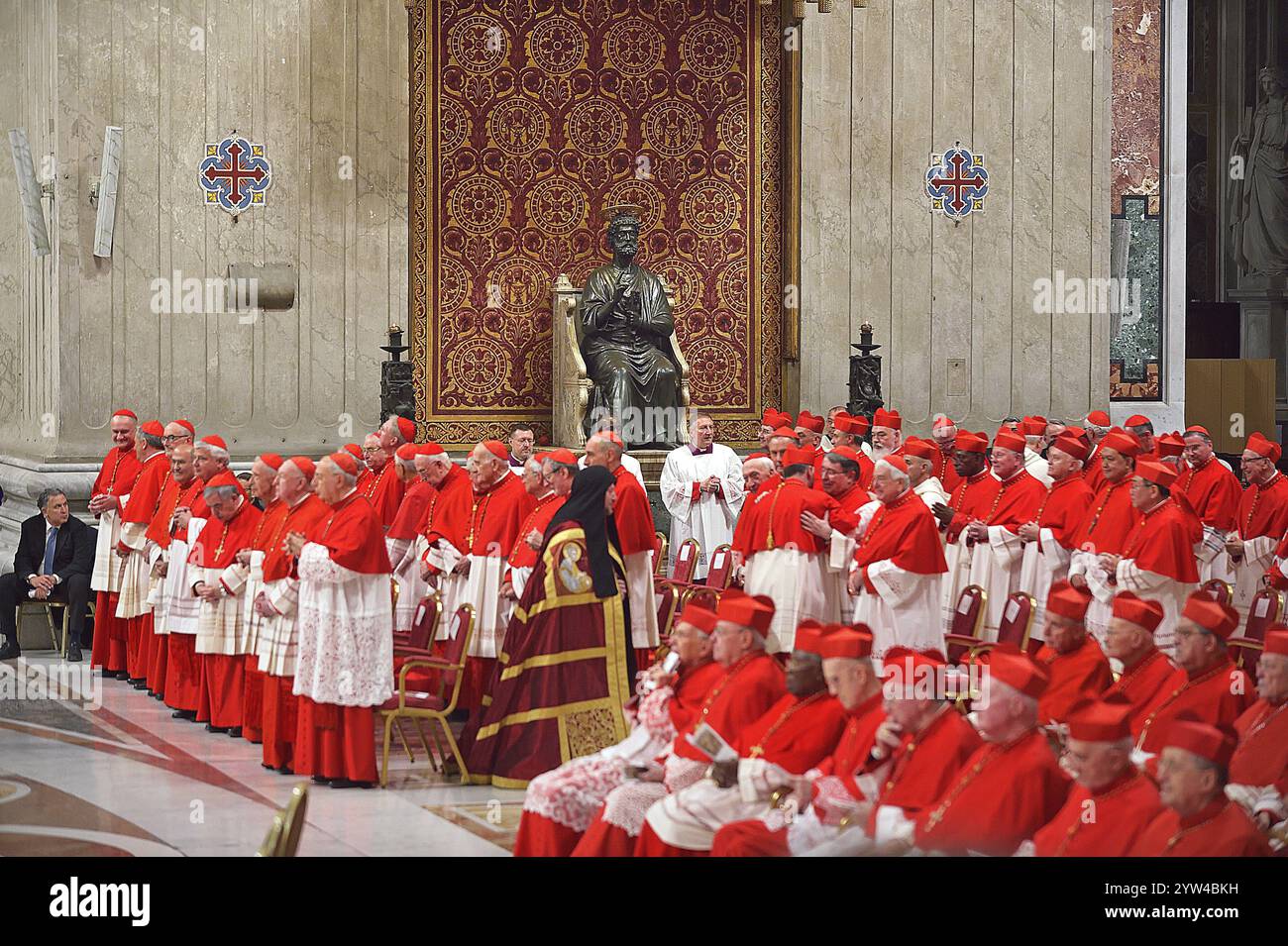
- The consistory will include 160 cardinals, the largest group ever assembled for such a meeting.
- Key debates will focus on the concept of “just war” and the Church’s response to modern conflicts.
- Four cardinals—Fernández, Ryś, Brislin, and Grech—will present major themes for discussion.
- No new cardinals will be created during this extraordinary session.
Why This Gathering Matters: A Shift in Vatican Diplomacy
Pope Francis has long positioned the Vatican as a moral voice in global conflicts, but this consistory signals a more structured theological and strategic response to war. Unlike previous gatherings, which often centered on internal Church matters, this one explicitly targets external crises, according to Vatican News. The timing coincides with escalating tensions in Ukraine, the Middle East, and Africa, where Catholic communities face displacement and violence.
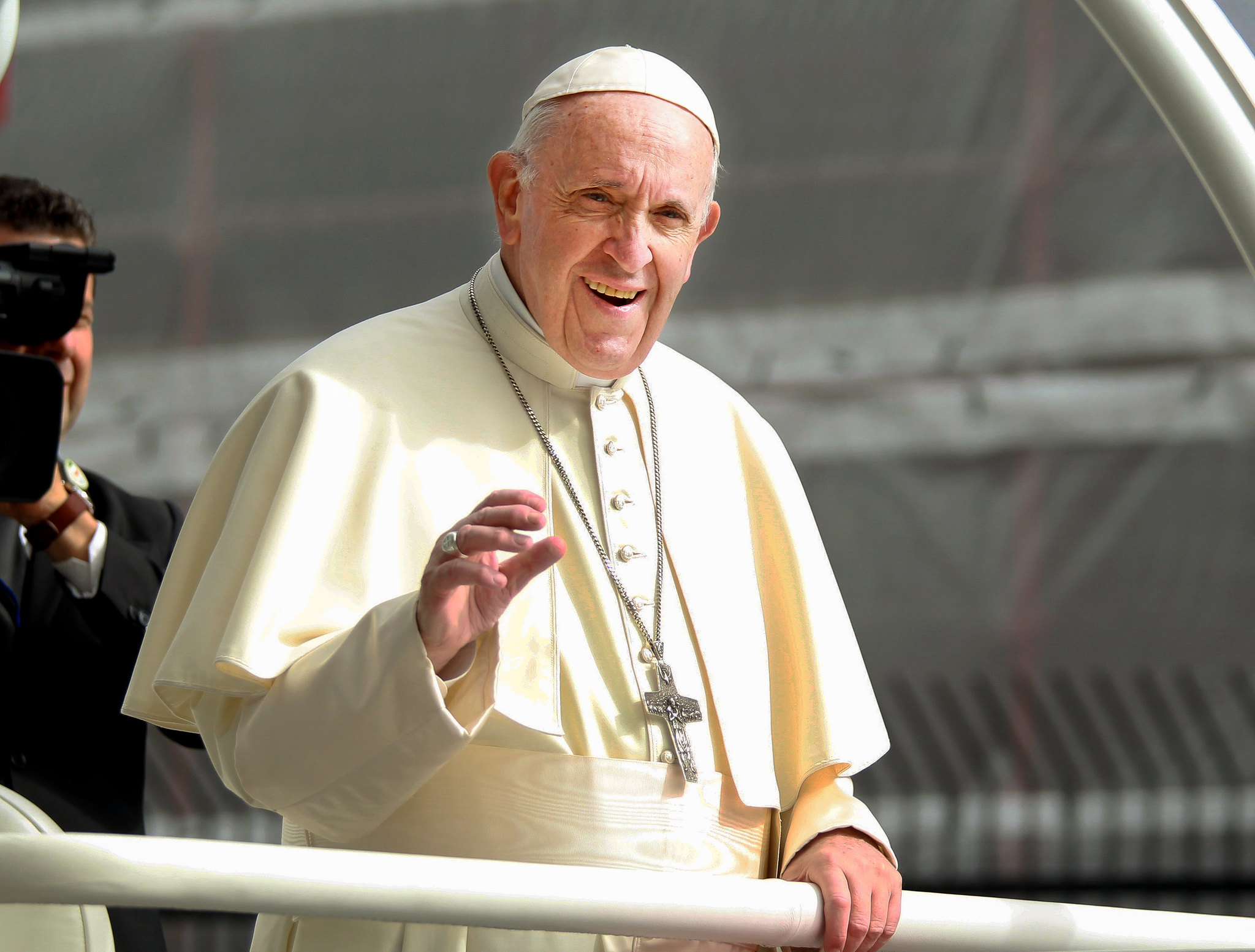
Cardinal Luis Antonio Tagle of the Philippines, a key advisor to the pope, told Vatican News that the discussions will “explore how Catholic teaching on war and peace can guide action in today’s fractured world.” The gathering follows a 2023 papal statement condemning “the logic of war” as incompatible with Christian ethics, but this session aims to translate those principles into practical frameworks.
Who’s Leading the Debates—and What Are the Stakes?
The four cardinals presenting themes represent diverse perspectives:
- Cardinal Michael Czerny (Canada), a specialist in climate justice, will link war to ecological collapse, arguing that “violence against nature and people are two sides of the same crisis.”
- Cardinal Jean-Claude Hollerich (Luxembourg), president of the Council of European Bishops’ Conferences, will focus on Europe’s role in mediating conflicts, particularly in Ukraine.
- Cardinal Blase Cupich (U.S.), a progressive voice, will address the moral failings of modern warfare, including the use of AI in combat.
- Cardinal Charles Maung Bo (Myanmar), a survivor of military repression, will highlight the plight of persecuted Christians in conflict zones.
Sources note that while the consistory will not issue binding directives, its recommendations could influence papal encyclicals and Vatican statements on geopolitical issues. The last time the pope convened cardinals for such a broad thematic discussion was in 2014, when Francis addressed poverty and inequality.
How the Church’s Stance Could Reshape Global Discourse
The Vatican’s engagement on war has historically been reactive—condemning violence after conflicts erupt. This gathering, however, suggests a proactive approach, with officials framing it as an attempt to “reclaim moral authority in diplomacy,” according to Agência ECCLESIA. Analysts point to two precedents:
- The 2003 papal opposition to the Iraq War, which influenced public opinion in Europe and Latin America.
- The 2015 migration crisis, where the Vatican’s humanitarian appeals led to EU policy shifts on asylum.
Yet challenges remain. Some cardinals, including conservative figures like Cardinal Gerhard Müller (Germany), have criticized past papal statements on war as overly idealistic, arguing they lack concrete mechanisms for enforcement. A leaked draft from Instituto Plinio Corrêa de Oliveira suggests internal divisions over whether the Church should prioritize “just war” theory—a medieval framework—or advocate for absolute pacifism.
What Happens Next: A Timeline of Vatican Action
The consistory’s outcomes will unfold in stages:
- Oct. 18–19: Closed-door debates among cardinals, with no public statements.
- Late October: Vatican officials to release a summary of key discussions, likely framing them as “guiding principles” rather than policy demands.
- 2025: Expected papal encyclical or apostolic exhortation incorporating the consistory’s themes, timed with major anniversaries of Vatican II (1962–65) and the pontificate’s 10-year mark.
The gathering also coincides with a broader Catholic push to engage with non-Christian faith leaders on peace initiatives. In August, Pope Francis met with Orthodox Patriarch Bartholomew I to discuss joint humanitarian efforts in war zones—a signal that the Vatican may expand its diplomatic reach beyond traditional Catholic networks.
International Reactions: From Skepticism to Cautious Hope
Responses from world leaders have been measured:
- Ukraine: President Volodymyr Zelenskyy’s office called the consistory “a necessary moral counterweight to unchecked militarism,” though Ukrainian Catholic leaders have privately expressed frustration over the Vatican’s neutral stance on arms supplies to Kyiv.
- Russia: The Kremlin’s official media, Sputnik, framed the gathering as “another example of the Church’s meddling in politics,” while the Russian Orthodox Church has not publicly commented.
- Middle East: Catholic bishops in Iraq and Syria welcomed the focus on persecuted minorities but urged the Vatican to address the role of foreign powers in regional conflicts.
In a rare public comment, Cardinal Peter Turkson (Ghana), who will attend the consistory, told Canção Nova that the Church’s role is not to “replace diplomacy” but to “remind the world of the human cost of war.” His remarks reflect a deliberate effort to position the Vatican as a mediator rather than a partisan actor.
The consistory’s immediate impact may be limited to internal Church debates, but its long-term significance lies in whether it can bridge the gap between theological principles and real-world conflict resolution—a challenge even the Vatican’s most seasoned diplomats acknowledge.
