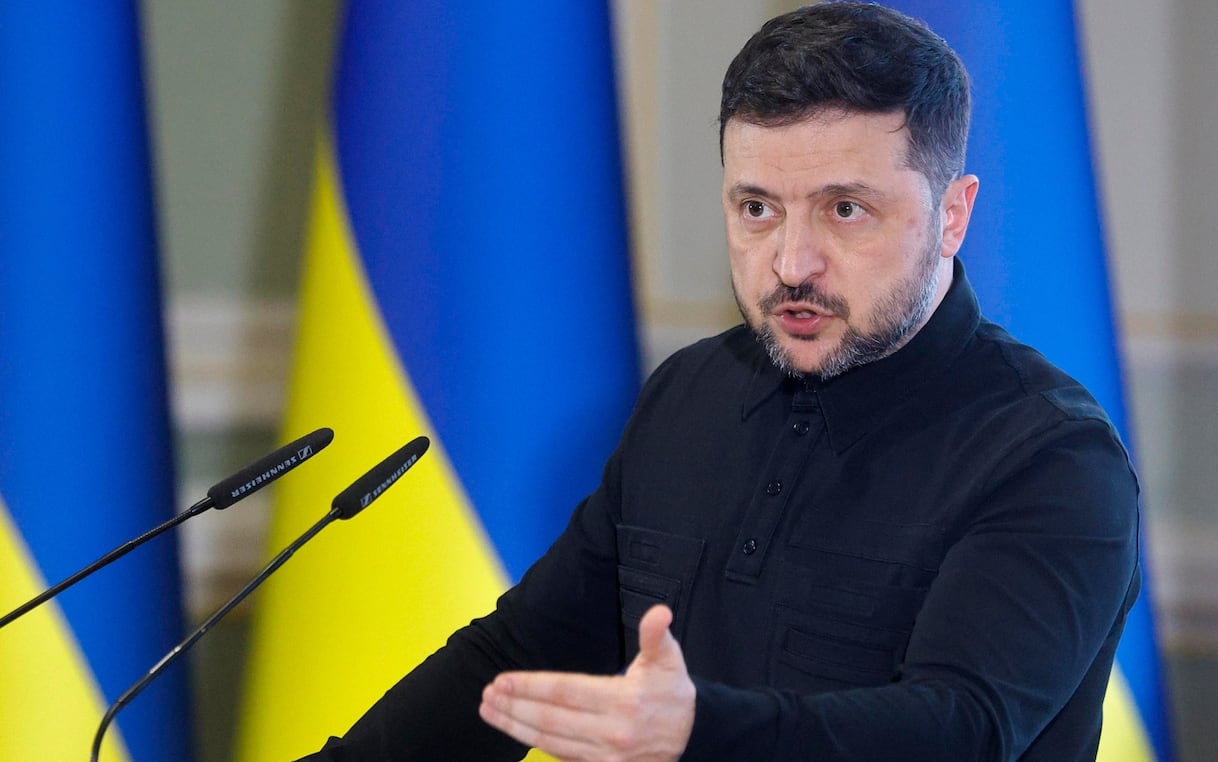
Ukrainian President Volodymyr Zelensky proposed a direct meeting with Russian President Vladimir Putin during his first day at the G7 summit in Evian, France, marking a rare public call for high-level diplomacy amid the war’s deadliest phase.
Zelensky’s overture—delivered in front of Western leaders including French President Emmanuel Macron—came as the Group of Seven nations convened to discuss the conflict’s escalation, with Ukrainian officials warning of a “critical moment” in the fighting. The proposal, framed as a shift toward “pragmatic solutions,” contrasts with Moscow’s long-standing refusal to engage in direct talks without preconditions.
Why Zelensky’s Proposal Stands Out
Zelensky’s call for a U.S.-hosted summit with Putin breaks from Kyiv’s previous stance of rejecting face-to-face negotiations. According to Italian media reports, the Ukrainian leader told Macron during a bilateral meeting: “If we want peace, we must talk. Let’s not wait for another year of war.”
The proposal follows weeks of intensified Russian strikes on Ukrainian energy infrastructure, which Kyiv’s military intelligence chief described yesterday as “unprecedented in scale.”
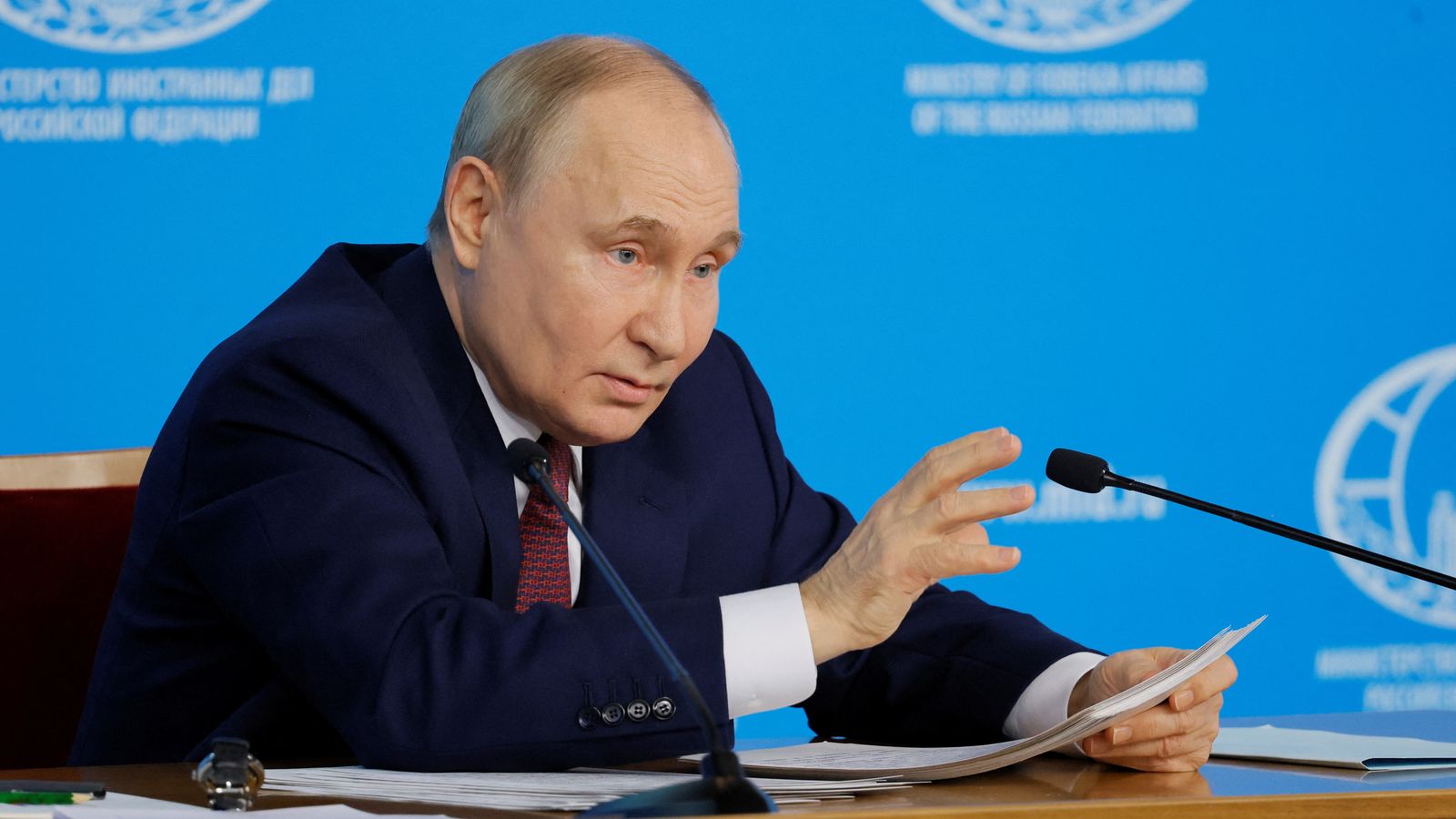
French officials confirmed Macron welcomed the idea but stressed no formal invitation had yet been extended. A G7 communiqué issued later in the day made no mention of the proposal, focusing instead on condemning “Russia’s aggression” and reaffirming support for Ukraine’s sovereignty.
A Diplomatic Gambit Amid Escalating Violence
While Zelensky’s offer signals a tactical shift, it carries risks. Russian state media, citing Kremlin sources, dismissed the idea as “a desperate move” to gain Western leverage. Meanwhile, Ukrainian officials privately told European diplomats the proposal was intended to pressure Putin into halting strikes on civilian targets—a demand Moscow has repeatedly ignored.
Fast Facts
- Location: G7 summit in Evian, France (June 13–15, 2024)
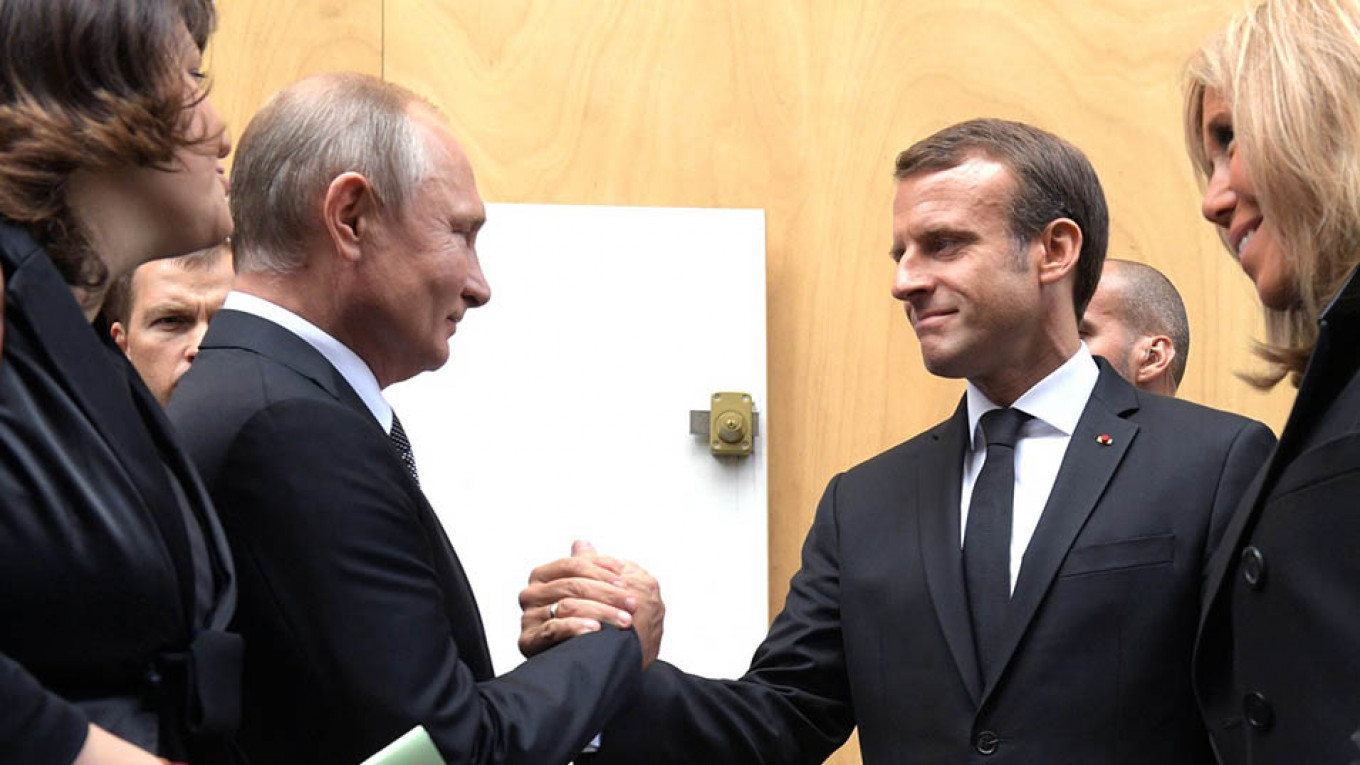
- Key Figures: Volodymyr Zelensky (Ukraine), Vladimir Putin (Russia), Emmanuel Macron (France)
- Context: Russian airstrikes on Ukrainian cities have killed at least 47 civilians in the past 48 hours, per Ukrainian emergency services
- Previous Talks: Last direct Ukraine-Russia negotiations collapsed in Istanbul in 2022 over territorial demands
- G7 Response: No official statement on Zelensky’s proposal; focus remains on military and humanitarian aid
How the West Responded: A Divided Front
Reactions among G7 members varied sharply. German Chancellor Olaf Scholz, who arrived late to the summit due to domestic political crises, told reporters the group would “explore all avenues” but added: “Direct talks with Putin must come without preconditions from Ukraine.”
Italian Prime Minister Giorgia Meloni, however, echoed Zelensky’s urgency, stating in a closed-door session that “time is running out to prevent a winter of starvation for millions.”
U.S. officials, who have historically opposed direct negotiations with Putin, declined to comment on the proposal. A State Department spokesperson directed questions to Kyiv, where Ukrainian Foreign Minister Dmytro Kuleba later clarified that Zelensky’s offer was “not a surrender, but a call for accountability.”
What Happens Next: A Narrow Window for Diplomacy
The next 72 hours will determine whether Zelensky’s proposal gains traction. Ukrainian sources say Kyiv has already dispatched a low-level delegation to Washington to prepare logistics for a potential summit, though no date or venue has been confirmed. Russian officials have not responded publicly, but a Kremlin spokesperson told state-run media the proposal was “another attempt to shift blame for the war.”
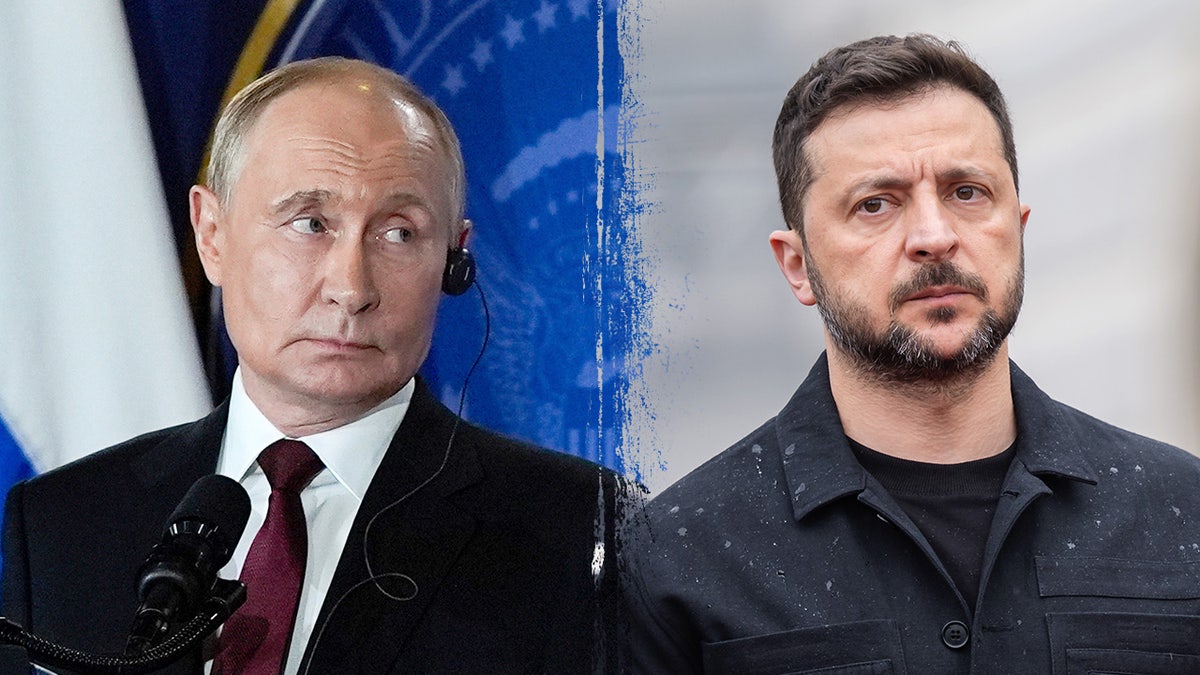
Analysts caution that even if talks occur, past summits—such as the 2014 Geneva meeting—have produced no lasting ceasefires. “This is less about solving the war and more about managing perceptions,” said a Western diplomat familiar with the discussions. “The real question is whether Putin sees any incentive to stop the bombing—even for a day.”
For now, the G7’s focus remains on ramping up military aid, with Macron announcing an additional €500 million in weapons deliveries. But Zelensky’s gambit has injected a new variable into the conflict: the first direct challenge to the West’s unified stance against negotiations with Moscow.
