
Zambia says two suspected Ebola cases test negative, steps up screening – Reuters: A Comprehensive Analysis of the Public Health Response
In a critical update for regional health security, the Zambian government has confirmed that two individuals previously suspected of contracting the Ebola virus have tested negative. While the immediate threat posed by these specific cases has been neutralized, the news that Zambia says two suspected Ebola cases test negative, steps up screening – Reuters highlights a broader, proactive strategy by the Ministry of Health to fortify the nation’s defenses against Viral Hemorrhagic Fevers (VHFs). The decision to intensify screening measures, despite the negative results, underscores a “zero-failure” approach to pandemic preparedness in a region where the stakes of an undetected outbreak are catastrophic.
This development comes at a time when global health organizations are emphasizing the importance of early detection and rapid response. For Zambia, a landlinked country with significant cross-border trade and movement, the ability to swiftly isolate suspected cases and verify them through rigorous laboratory testing is not just a medical necessity—This proves a pillar of national security. The current situation serves as a real-world stress test for Zambia’s surveillance infrastructure, demonstrating both the sensitivity of its detection systems and the robustness of its containment protocols.
The Anatomy of the Alert: From Suspicion to Clearance
The sequence of events leading to the announcement began when two individuals presented with symptoms consistent with Ebola Virus Disease (EVD). In the world of epidemiology, “suspected cases” are identified based on a combination of clinical signs—such as high fever, severe headache, muscle pain and in later stages, unexplained hemorrhaging—and epidemiological links, such as travel to an area with a known outbreak or contact with a confirmed patient.
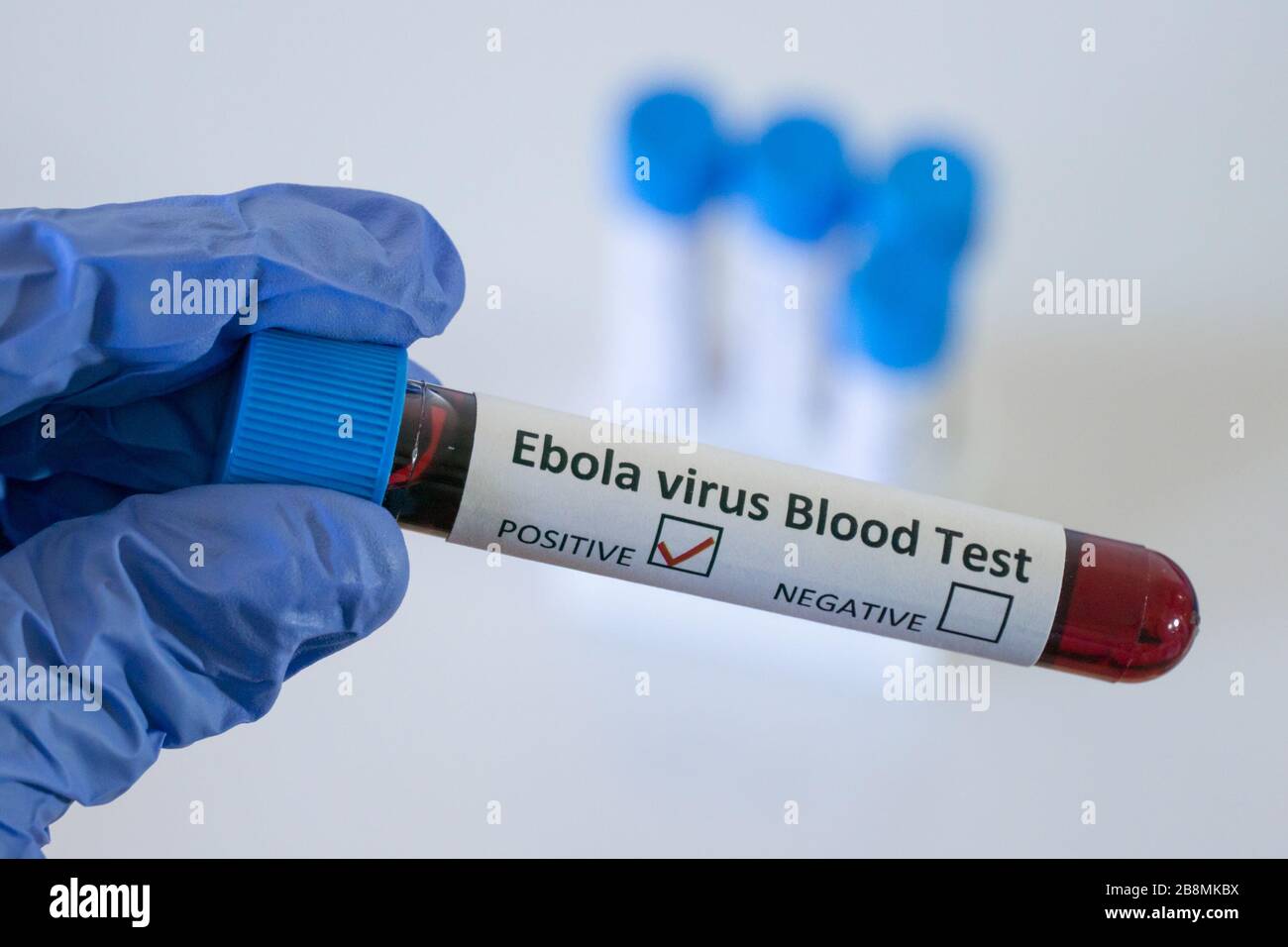
Upon the identification of these symptoms, the Zambian health authorities immediately triggered a high-alert protocol. This involved the immediate isolation of the patients to prevent any potential community transmission, a move that reflects the precautionary principle central to infectious disease management. The samples were then processed using highly specific molecular tests, likely Polymerase Chain Reaction (PCR) assays, which are the gold standard for detecting the genetic material of the Ebola virus.
“The rapid isolation and testing of suspected cases are the most effective tools in preventing a localized health scare from evolving into a national crisis. Negative results are a relief, but the process itself is a victory for surveillance.”
The confirmation that the cases were negative allows the individuals to return to their normal lives, but it also provides the Ministry of Health with valuable data on the prevalence of other febrile illnesses that can mimic Ebola, such as malaria or typhoid, which are more common in the region and often present with similar early-stage symptoms.
Key Milestones in the Response Timeline
- Detection: Identification of individuals exhibiting symptoms of Viral Hemorrhagic Fever.
- Isolation: Immediate placement of suspects in specialized isolation wards to break the chain of transmission.
- Testing: Collection and analysis of blood samples via PCR testing.
- Verification: Official confirmation of negative results for the Ebola virus.
- Escalation: Transition from case-specific management to systemic screening enhancement.
Why Zambia is “Stepping Up Screening” Despite Negative Results
To the casual observer, it might seem counterintuitive to increase surveillance after the suspected threats have been cleared. However, in public health, a “false alarm” is infinitely preferable to a “missed detection.” The fact that Zambia says two suspected Ebola cases test negative, steps up screening – Reuters suggests that the government is using this incident as a catalyst to close any existing gaps in its health security net.
Stepping up screening involves a multi-layered approach targeting different points of entry and community interaction. This is not merely about temperature checks; it is a comprehensive overhaul of how the state monitors the movement of pathogens across its borders.
Enhanced Border Surveillance
Zambia shares borders with several countries, making its ports of entry high-risk zones for the introduction of infectious diseases. Enhanced screening at these locations typically includes:
- Digital Health Declarations: Requiring travelers to provide detailed travel histories and health statuses before entry.
- Advanced Thermal Imaging: Deploying high-sensitivity infrared scanners to detect pyrexia (fever) in large crowds efficiently.
- Trained First-Response Teams: Stationing specialized health officers at border posts who can recognize the early signs of VHF and initiate isolation protocols instantly.
Community-Based Surveillance
Beyond the borders, the government is focusing on “community-based surveillance.” This involves training local health workers and community leaders to report unusual clusters of illness. Since Ebola often begins in rural areas through zoonotic spillover (transmission from animals to humans), early reporting from remote villages is the only way to stop an outbreak before it reaches densely populated urban centers like Lusaka.
| Screening Level | Primary Focus | Key Tools Used | Objective |
|---|---|---|---|
| Border Entry | International Travelers | Thermal Scanners, Health Forms | Prevent Importation |
| Clinical Level | Symptomatic Patients | PCR Testing, Triage | Rapid Confirmation |
| Community Level | General Population | Local Health Volunteers | Early Detection of Clusters |
The Broader Context: Ebola in the African Landscape
To understand why the report that Zambia says two suspected Ebola cases test negative, steps up screening – Reuters is so significant, one must look at the history of Ebola on the continent. The virus is not a new threat, but its potential for devastation is well-documented. From the catastrophic 2014–2016 West African outbreak to the more recent eruptions in the Democratic Republic of Congo (DRC), Ebola has shown an ability to overwhelm fragile health systems.
Zambia, while not currently an epicenter, is acutely aware that the virus does not respect national boundaries. The interconnectedness of African trade corridors means that a case in a neighboring country can reach a Zambian city within hours. By maintaining a state of high vigilance, Zambia is positioning itself as a regional bulwark against the spread of the virus.
The Role of Zoonotic Spillover
Ebola is a zoonotic virus, meaning it resides in animals—most notably fruit bats—and occasionally “spills over” into human populations. This makes the threat permanent; as long as humans interact with wildlife in forests or through the bushmeat trade, the risk of a new index case remains. This biological reality is why “screening” is a permanent necessity rather than a temporary reaction to a specific event.
For those interested in how these viruses emerge, a related explainer on zoonotic diseases can provide deeper insight into the relationship between environmental degradation and the rise of pandemics.
Understanding the Science: Suspected vs. Confirmed Cases
One of the most common points of confusion for the general public during health alerts is the terminology used by health ministries. When a headline states that “suspected cases” tested negative, it often leads to a perception that the system “overreacted.” In reality, the distinction between a suspected, probable, and confirmed case is a scientific requirement.
Defining the Tiers of Diagnosis
- Suspected Case: An individual who presents with a fever and at least three of the following: headache, vomiting, diarrhea, muscle pain, or abdominal pain. They may also have a history of travel to an affected area.
- Probable Case: A suspected case who has died or disappeared, or whose samples cannot be tested, but who has a strong epidemiological link to a confirmed case.
- Confirmed Case: A person whose infection has been laboratory-confirmed via PCR or other validated diagnostic tests.
By treating every “suspected” case as a potential “confirmed” case until proven otherwise, Zambia is following the global standard for infectious disease control. This rigorous approach prevents the “silent spread” that characterized early stages of previous Ebola outbreaks, where patients were misdiagnosed with malaria and remained in general hospital wards, infecting others.
Implications for the Zambian Health Infrastructure
The event described in the report that Zambia says two suspected Ebola cases test negative, steps up screening – Reuters serves as a catalyst for institutional growth. Every time a surveillance system is activated, it reveals strengths, and weaknesses. The “stepping up” of screening is likely a response to gaps identified during the handling of these two suspected cases.
Strengthening Laboratory Capacity
A major challenge in many African nations is the reliance on external laboratories for high-level viral testing. To reduce the turnaround time for results, there is a growing movement toward decentralizing diagnostic capabilities. By investing in more regional labs capable of performing PCR tests, Zambia can reduce the window of uncertainty, allowing patients to be cleared faster and reducing the psychological stress on the community.
Healthcare Worker Training
The risk of nosocomial (hospital-acquired) infections is highest during the “suspected” phase. If a healthcare worker treats an Ebola patient thinking they have malaria, the result can be fatal. The current increase in screening and vigilance includes training staff in the strict use of Personal Protective Equipment (PPE) and the implementation of rigorous triage protocols.
Common Misconceptions Regarding Ebola Alerts
Whenever news of “suspected Ebola” breaks, misinformation often spreads faster than the virus itself. It is important to correct several common myths that often emerge during these periods:
Myth 1: “If the cases were negative, there is no risk.”
Reality: The negative results for two individuals do not mean the virus has disappeared from the world or the region. It simply means those two people were not infected. The risk remains constant due to the zoonotic nature of the virus.
Myth 2: “Screening is a sign that an outbreak is already happening.”
Reality: Increased screening is a preventative measure. It is designed to ensure that if an outbreak starts, it is caught in the “index case” stage before it becomes a community transmission event.
Myth 3: “Ebola is only a threat in the jungle.”
Reality: While the virus originates in wildlife, its most dangerous phase is human-to-human transmission in urban environments, where high population density can lead to exponential growth in cases.
The Strategic Importance of International Collaboration
Zambia does not operate in a vacuum. The report that Zambia says two suspected Ebola cases test negative, steps up screening – Reuters is part of a larger network of intelligence sharing. The World Health Organization (WHO) and the Africa Centres for Disease Control and Prevention (Africa CDC) provide the framework for these responses.
When Zambia increases its screening, it provides “situational awareness” to its neighbors. If Zambia identifies a pattern of suspected cases coming from a specific border point, neighboring countries can preemptively increase their own surveillance. This creates a “web of protection” across the continent, where the vigilance of one nation strengthens the security of all.
For a deeper look at how regional health bodies coordinate, you may find a related explainer on the Africa CDC’s role useful in understanding the broader continental strategy.
Frequently Asked Questions
Is there currently an Ebola outbreak in Zambia?
No. Recent reports confirm that suspected cases have tested negative, and there are no confirmed active outbreaks of Ebola within the country. The current measures are preventative and focused on surveillance.
What does “stepping up screening” actually mean for travelers?
Travelers may encounter more frequent health checks at borders, including temperature screenings, requests for travel history, and health declaration forms. These are standard procedures to ensure early detection of infectious diseases.
Why are people suspected of having Ebola if there is no outbreak?
Ebola shares early symptoms with many other common illnesses, such as malaria, typhoid, and severe influenza. Because Ebola is so dangerous, health officials must treat any combination of these symptoms—especially in patients with relevant travel history—as a suspected case until laboratory tests prove otherwise.
How is Ebola tested?
The primary method is the Polymerase Chain Reaction (PCR) test, which detects the specific genetic material (RNA) of the Ebola virus in the blood. This test is highly accurate and can differentiate Ebola from other similar viruses.
Should residents of Zambia be worried?
Panic is counterproductive to public health. The fact that the government is actively screening and quickly testing suspected cases is a sign that the health system is functioning correctly. The best course of action for residents is to follow official Ministry of Health guidelines and report unusual illnesses to local clinics.
The narrative surrounding the fact that Zambia says two suspected Ebola cases test negative, steps up screening – Reuters is ultimately one of resilience and readiness. By treating a “near-miss” as a training exercise, Zambia is ensuring that its healthcare workers are sharp, its borders are monitored, and its population is protected. In the fight against high-consequence pathogens, the only true safety lies in constant, disciplined vigilance.
