
Xbox Console Exclusives Shift to Case-by-Case Strategy: What You Need to Know
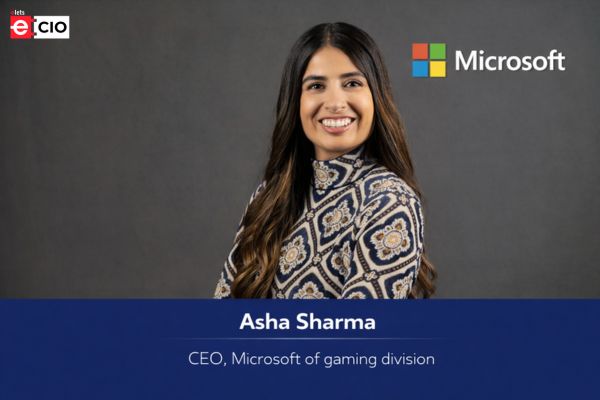
Microsoft has announced a strategic pivot in its approach to Xbox console exclusives, with decisions now being evaluated on a case-by-case basis. This shift comes amid broader restructuring under the leadership of Asha Sharma, the company’s chief operating officer. The move marks a departure from previous models of exclusive content development and raises questions about the future of first-party game publishing on the platform.
What Happened and Why It Matters
The change was first highlighted in internal communications and later confirmed by Microsoft executives. According to a statement from the company, the decision to prioritize exclusivity will depend on factors such as the game’s potential for cross-platform success, market demand, and alignment with long-term business goals. This approach contrasts with earlier strategies that often prioritized Xbox as the primary platform for high-profile titles.
The shift aligns with broader industry trends where publishers are increasingly balancing exclusivity with cross-platform accessibility. For example, major studios like Electronic Arts and Ubisoft have experimented with hybrid models, offering certain features or content exclusively on specific platforms while maintaining a presence on others. Microsoft’s move suggests a similar effort to adapt to evolving consumer preferences and competitive pressures.
Who Is Involved and What Their Roles Are
The decision reflects the leadership transition at Microsoft’s gaming division. Asha Sharma, who took over as COO in 2023, has emphasized a focus on long-term growth and innovation. Her vision includes expanding Xbox’s reach beyond traditional console gaming, integrating services like Xbox Game Pass, and leveraging cloud-based technologies. This strategic direction appears to influence the new exclusivity policy.
Key stakeholders in this shift include Xbox Game Studios, the division responsible for first-party titles, and external developers who collaborate with Microsoft. The company has also engaged with industry analysts to gauge the potential impact of the policy change. For instance, a recent report from a gaming analytics firm noted that 68% of surveyed developers believe exclusivity decisions should be more flexible to accommodate market dynamics.
The Broader Industry Context
The gaming industry has seen a growing debate over the role of exclusivity in driving platform adoption. While some argue that exclusive titles can differentiate a console and attract loyal users, others warn that excessive reliance on exclusivity may alienate players who prefer multi-platform access. This tension is particularly evident in the rivalry between Xbox, PlayStation, and Nintendo.
Microsoft’s pivot also coincides with challenges in the hardware sector. The company has faced supply chain disruptions and competition from cheaper alternatives, prompting a reevaluation of its monetization strategies. By adopting a more selective approach to exclusivity, Microsoft may aim to reduce development risks while maximizing returns on high-profile titles.
Reactions and Expert Perspectives
Industry analysts have offered mixed reactions to the policy change. Some view it as a pragmatic response to market demands, while others caution that it could weaken Xbox’s appeal as a dedicated gaming platform. “This strategy allows Microsoft to remain agile,” said a gaming analyst at a leading research firm. “However, it risks diluting the value of Xbox as a destination for exclusive content.”

Developers have also expressed varied opinions. A representative from a mid-sized studio noted that the new approach could create opportunities for collaboration. “If Microsoft is open to evaluating each project individually, it opens the door for more creative partnerships,” they said. Conversely, another developer raised concerns about the potential for inconsistent support. “Without a clear framework, it’s hard to know which projects will receive the necessary resources,” they added.
Implications for Players and the Market
The case-by-case model may lead to a more diverse array of titles on Xbox, as decisions will be based on a broader set of criteria. For example, a game with strong cross-platform potential might be released on multiple systems, while another with unique features tailored to Xbox hardware could remain exclusive. This flexibility could benefit players by offering more choices but may also lead to confusion about which titles are available on which platforms.
From a business perspective, the shift could help Microsoft balance its investments. By focusing on projects with the highest potential return, the company may reduce financial risks associated with high-budget exclusives. However, it also raises questions about the long-term viability of the Xbox brand as a distinct platform. If exclusivity becomes less prominent, will Xbox continue to stand out in a crowded market?
Looking Ahead: What to Watch For
The success of this strategy will depend on how Microsoft implements it. Key metrics to monitor include the number of new exclusives, player engagement metrics, and feedback from developers. The company has also indicated plans to invest in cloud gaming and streaming services, which could further influence its exclusivity decisions.
As the gaming landscape continues to evolve, Microsoft’s approach will serve as a case study for other companies navigating similar challenges. The coming months will be critical in determining whether the case-by-case strategy can achieve its goals of growth, innovation, and market relevance.
Frequently Asked Questions
What does “case-by-case” mean for Xbox exclusives?
The policy means Microsoft will evaluate each title individually based on factors like market demand, cross-platform viability, and strategic fit. This replaces previous models that often prioritized Xbox as the primary platform for high-profile games.
How might this affect developers?
Developers may benefit from more flexible collaboration opportunities, but the lack of a clear framework could create uncertainty. Some may see it as a chance to innovate, while others may worry about inconsistent support.
Will Xbox still have exclusive titles?
Yes, but the selection process will be more selective. Titles with unique features or strong platform-specific advantages
