Yemen fighting kills over 60 as US warns of strikes on Iranian nuclear site
Strategic Houthi advances toward the port of al-Mukha threaten 10% of global maritime trade, coinciding with record US diesel prices and escalating nuclear tensions.
A missile strike hitting a civilian bus traveling in the city of Taiz killed six people and wounded seven others on Saturday, grounding the high-stakes struggle for Yemen's coast in immediate human cost. This attack occurred as fighting between Saudi-backed government forces and the Iran-aligned Houthi movement intensified, leaving 26 government troops and 31 Houthi fighters dead in a single day, according to The Guardian.
Related YouTube video
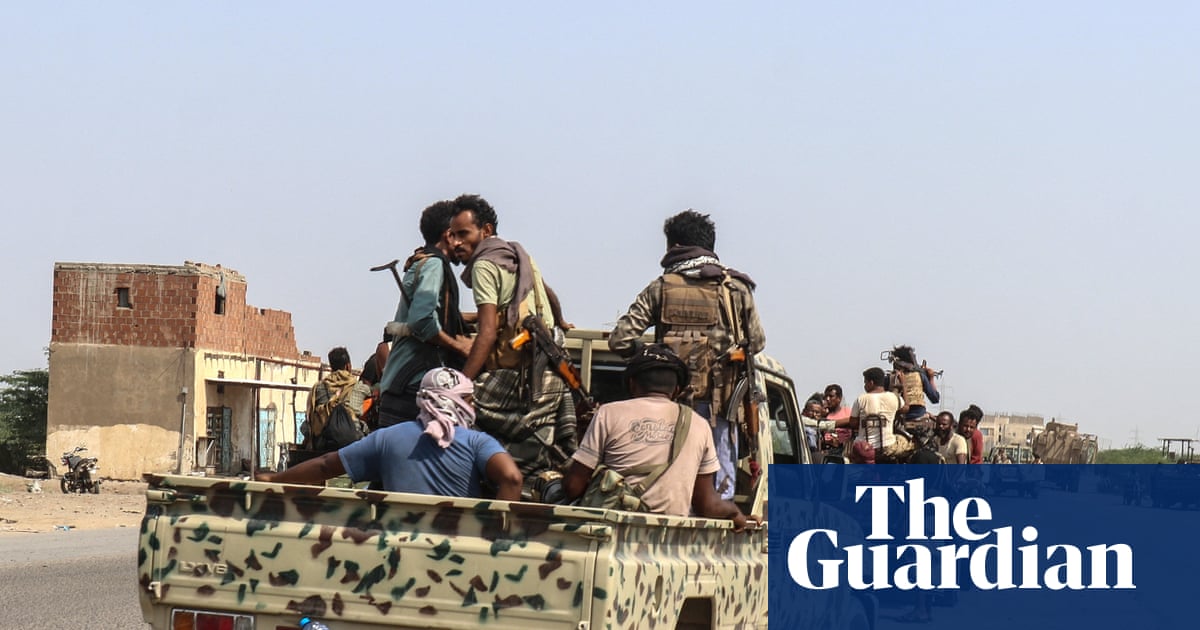

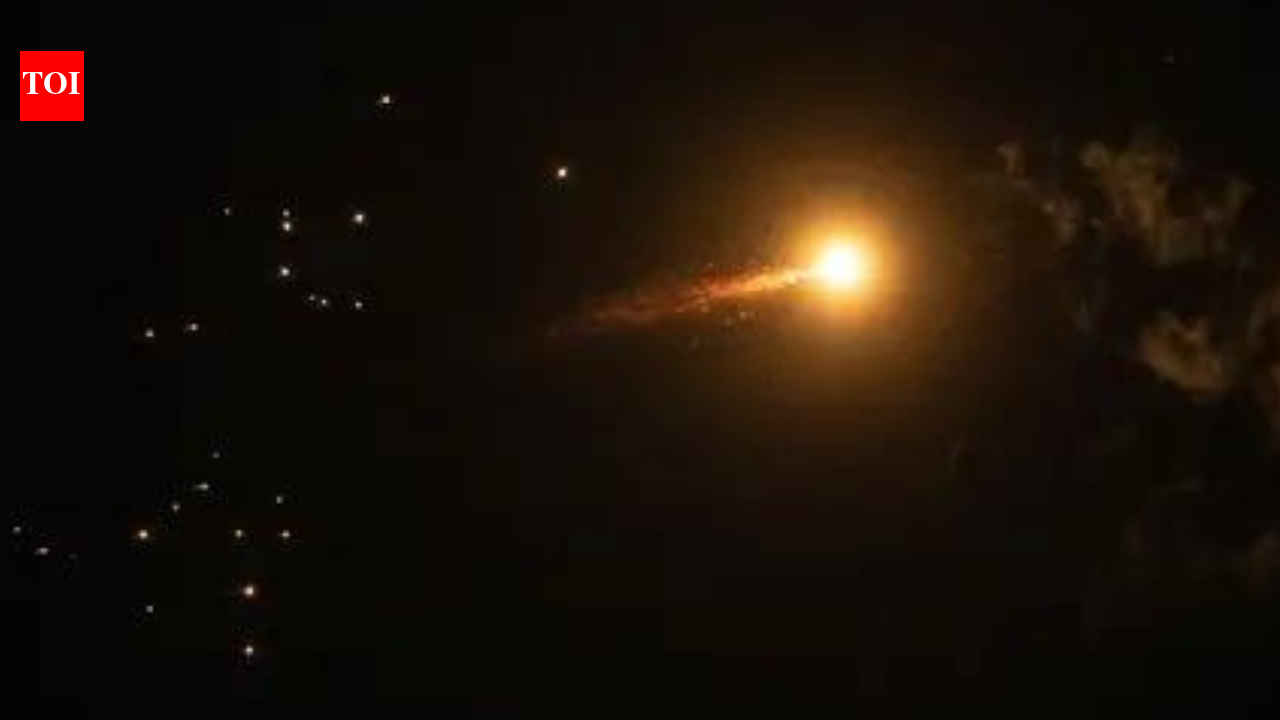
The violence is the deadliest in years, following the July collapse of a 2022 ceasefire. That truce disintegrated after an Iranian plane attempted to land in Houthi-controlled Sana’a, which triggered government attacks on the airport. The scale of the current escalation is stark: an AFP tally recorded 129 deaths on Friday alone.
The Houthi offensive is now focused on the western coast, where rebels are attempting to seize strategic hills to gain a vantage point over the Bab al-Mandeb strait. According to AGC News, Houthi forces have captured Dubas Hill, a position overlooking the city of Hays that allows visibility of military positions and supply routes across the southern front of Hodeidah. This move is part of a broader push toward the port city of al-Mukha.
Control of al-Mukha and the surrounding coast would allow the Houthis to dictate naval traffic in the Red Sea, expanding a naval blockade they first declared against Saudi Arabia in July. The stakes involve more than regional dominance; approximately 10% of global maritime trade passes through the Bab al-Mandeb strait. If this route is disrupted, it would exacerbate the global inflation already triggered by the virtual closure of the Strait of Hormuz since March 2026.
The 'Small Potatoes' Disconnect
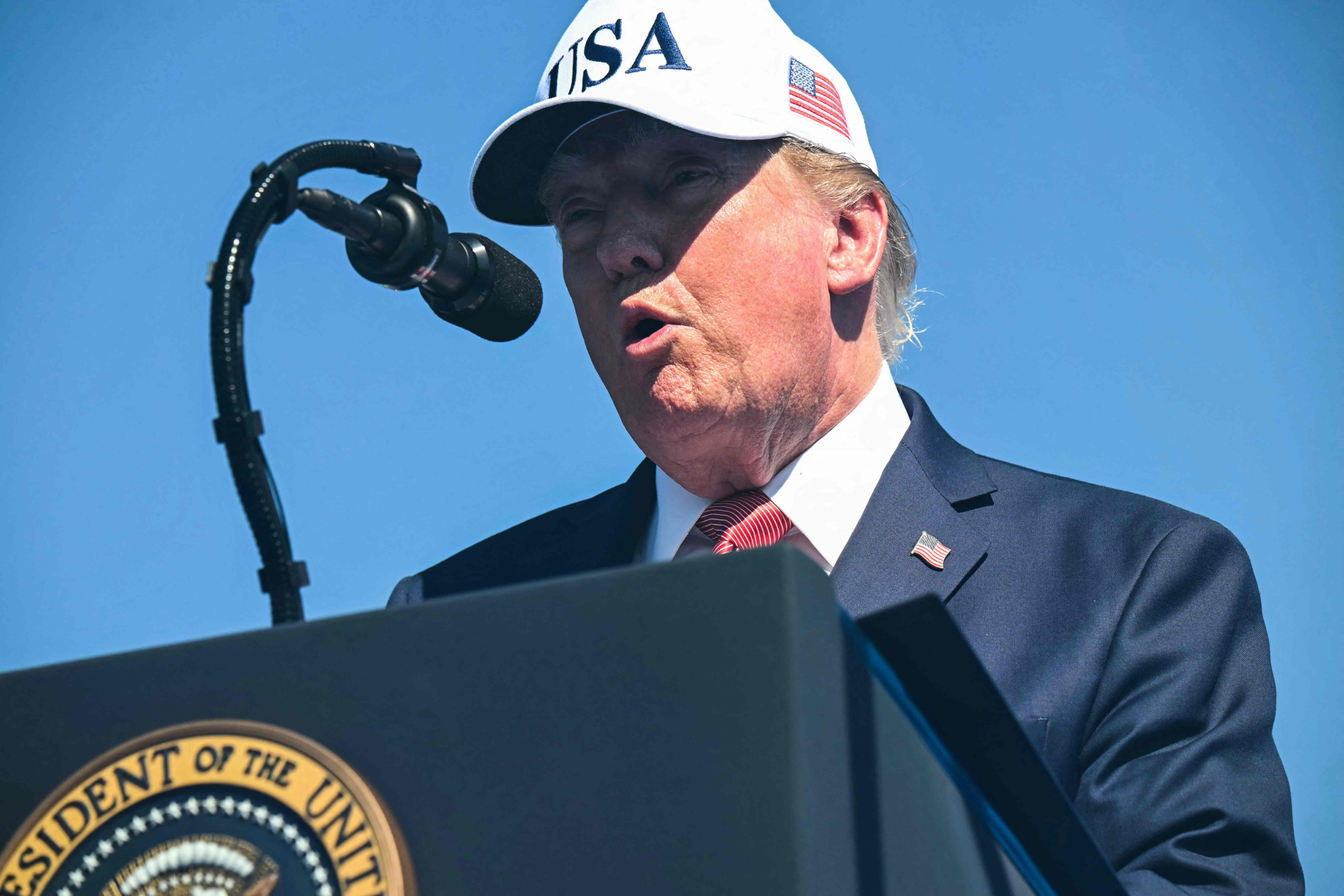
Inside the White House, the administration has framed the conflict in terms that contrast sharply with the material reality on the ground and at the pump. President Donald Trump described the engagement as small potatoes
, echoing Vice President JD Vance, who stated he would not even call the situation a war.
However, the economic ripples of the conflict are reaching global markets. In the U.S., diesel prices hit a record $5.85 a gallon on Friday, September 5. In Iraq, the disruption of fuel imports through the Strait of Hormuz has forced Baghdad residents back into long petrol queues, as the country's refineries cannot meet domestic demand despite Iraq being OPEC's second-largest producer.
The human attrition also belies the "small potatoes" description. While the U.S. Has lost 18 service members over the last six months, thousands of Iranians have been killed in the same period.
| Metric | Current Status / Value | Context |
|---|---|---|
| U.S. Diesel Price | $5.85 per gallon | Record high as of Sept 5 |
| US-Iran Conflict Duration | 6 months | Includes "intermittent" strikes |
| U.S. Military Casualties | 18 troops killed | Total over 6 months |
| Saudi Arms Deal | $5 billion | Pending congressional approval |
| Bab al-Mandeb Trade | ~10% of global trade | At risk due to Houthi advance |
Nuclear Threats and Naval Attrition
The U.S. Is pursuing a dual strategy of economic strangulation and targeted military strikes. The Treasury recently sanctioned the Istanbul-based Golden Global Yatirim Bankasi, alleging the firm helped an Iranian shadow banking network move oil revenues. Simultaneously, U.S. Central Command struck three Iranian crude oil carriers—the M/T Downy, M/T Stark 1, and M/T Kylo—in the Gulf of Oman following Iranian ballistic missile attacks on U.S. Navy warships.
Iranian outlets reported that a tanker near the strategic Kharg Island was hit by four U.S. Missiles. The importance of this location cannot be overstated: Kharg Island handles roughly 90% of Iran's crude oil exports, according to the Times of India.
President Trump has signaled that the next target may be the subterranean Pickaxe Mountain nuclear facility. Defending the campaign as a necessity to stop Iran from acquiring a nuclear weapon, Trump stated the U.S. May hit the site very soon
.
The Front Line in Taiz
As the conflict in Yemen enters a critical phase in Taiz province, Saudi-backed militias are reportedly in retreat. Following the loss of Dubas Hill, militias withdrew from positions on the outskirts of Al-Tuhaita and Al-Hays after being encircled. Colonel Mufaddal Al-Humairi, commander of the Saudi-backed Maqbanah front, reportedly admitted that several positions have fallen.
The advance has been accompanied by the death of Mohammed Hamoud Al-Zamr, commander of the Saudi-backed Al-Barah front, who was killed during a Houthi ground offensive in Al-Kudhah. In response, Saudi media reports a massive transfer of reinforcements to the province, including the deployment of the Al-Amaliq Brigades to support the Victory Brigade.
Houthi forces have also cut off supply and communication routes between Al-Maqbanah and Jabal Habashi. A government military officer in Taiz warned that the coming hours will be decisive
as rebel forces establish positions near the city. This latest surge adds to a civil war that has killed at least 150,000 people since 2014, leaving 18.2 million in need of humanitarian aid according to the UN.
The tension now moves toward a diplomatic flashpoint in Vienna. The U.S., UK, France, and Germany have drafted a UN resolution to refer Iran to the Security Council for failing to meet its nuclear nonproliferation obligations. While the vote is expected next week, diplomats suggest punitive action is unlikely, as Russia and China are expected to use their veto power to block any resulting sanctions or asset freezes.
Archypedia is dedicated to independent, evidence-backed reporting. This briefing was synthesized from primary source reporting, corroborated across independent newsrooms, and verified against our Editorial Standards.
Transparency record
Evidence behind this report
This report synthesizes 6 distinct sources. Open the source ledger below to compare the underlying coverage.
Prepared under the Archypedia Editorial Policy by the Samir Haddad editorial desk profile. AI-assisted tools may support drafting and verification; public accountability remains with Archypedia. Report an error.