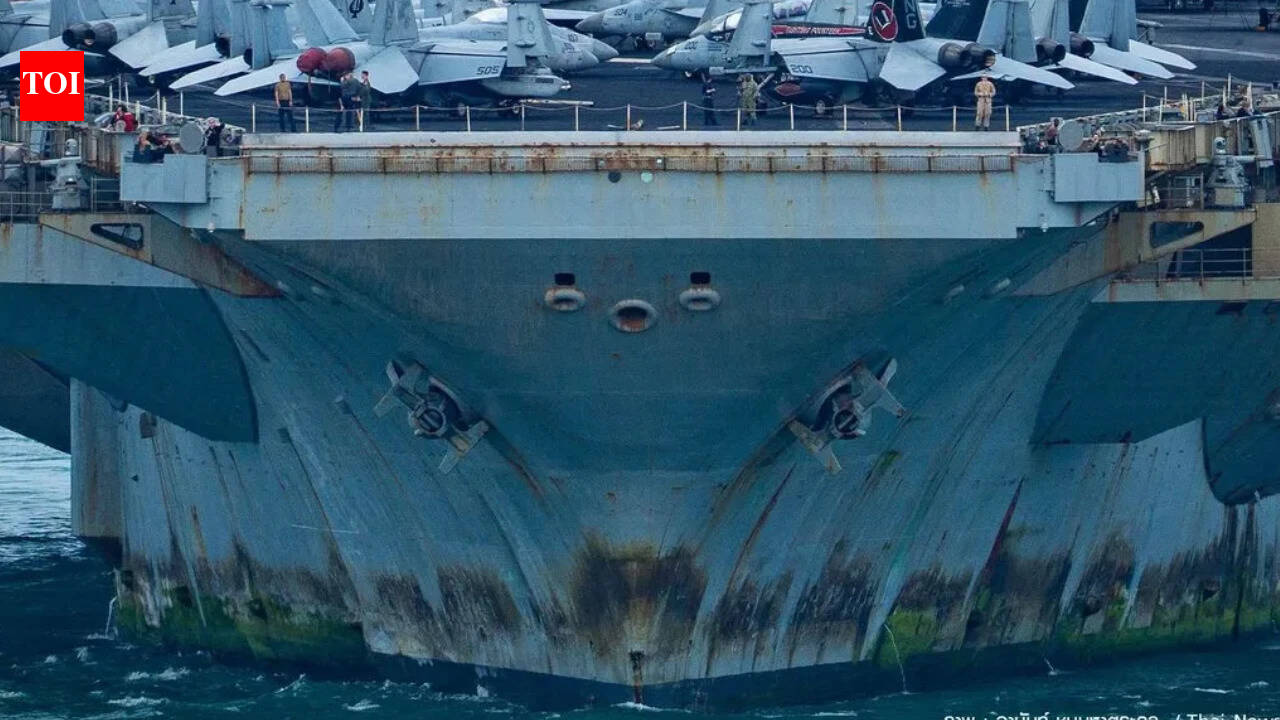
US Embassies Urge Americans Across Middle East to Prepare for Evacuations
U.S. embassies across more than ten Middle Eastern countries issued coordinated security alerts advising citizens to consider leaving or prepare for sudden evacuation.

U.S. Embassies across more than ten Middle East countries issued coordinated security alerts on Saturday, August 2, 2026, urging American citizens to consider leaving the region or prepare for sudden evacuation amid warnings of an unforeseen escalation in regional conflict, according to International Business Times and Oman Observer reporting based on Agence France-Presse. The simultaneous advisories span posts from Cairo eastward, directly juxtaposing Washington's warnings against a volatile backdrop of fluctuating military threats, regional infrastructure attacks, and shifting diplomatic postures.
The warnings apply to U.S. Citizens located in Bahrain, Egypt, Iraq, Israel, Jordan, Kuwait, Lebanon, Oman, Qatar, Saudi Arabia, and the United Arab Emirates, according to International Business Times coverage citing Xinhua. Embassies instructed nationals to exercise heightened vigilance and prepare for flight cancellations, periodic airspace closures, and severe travel disruptions. Consular sections cautioned that they cannot guarantee government-arranged transportation, advising citizens to use commercial options while available, as noted by International Business Times.
Related YouTube video


On the ground, the advisory translates into stark, localized directives. In Israel, the U.S. Embassy urged citizens to locate the nearest bomb shelter, while Americans in Jordan were specifically warned to stay away from local military bases that have recently faced Iranian missile attacks, as reported by Oman Observer and Malay Mail. Meanwhile, the U.S. Embassy in Beirut maintained its ordered departure status, keeping non-emergency government personnel and family members relocated outside Lebanon.
This coordinated posture follows a turbulent trajectory of hostilities that began when the United States and Israel launched joint attacks on Tehran and other Iranian cities on February 28, killing then-Supreme Leader Ali Khamenei, senior military commanders, and civilians, according to International Business Times. Iran retaliated with waves of missile and drone strikes against U.S. And Israeli assets, precipitating an ongoing war that has rattled regional infrastructure and global energy markets.
Political friction has intensified alongside kinetic activity. On Friday, U.S. President Donald Trump warned that Washington would hit Iran very hard, but reversed momentum on Saturday by announcing a temporary suspension of planned strikes to accommodate nuclear deal negotiations, according to International Business Times. Iranian officials responded with severe counterwarnings. Ali Abdollahi, head of Iran's military central command, stated on state television that any country serving as a defensive shield for the United States would be engulfed by war, while Mohammad Mokhber, adviser to Iran's supreme leader, warned on X that attacking Iranian infrastructure would awaken historical fault lines, as reported by Malay Mail. Additionally, Iran's semi-official Tasnim news agency reported an extensive plan to target vital Israeli infrastructure and U.S. Energy assets in response to perceived strike preparations, according to International Business Times.
Logistical hazards compound these security risks across regional transit routes. A drone struck a U.S.-owned gas vessel moored in an Egyptian port on Wednesday, causing a fire under investigation by Cairo, while a British maritime agency reported Saturday that an unknown projectile struck a tanker off the coast of Oman, according to The News and Malay Mail. In the Strait of Hormuz, Iran has effectively controlled navigation since the outbreak of the war, requiring transit fees and permission, which has driven commercial traffic down sharply according to maritime trade tracking firm Kpler, cited by Malay Mail. Further south, Kuwait intercepted Iranian drones targeting a government facility, as noted by The News, while Yemen's Houthi rebels denied seeking to charge ships traversing the Bab el-Mandeb Strait, according to Malay Mail.
Past evacuation efforts have faced sharp scrutiny from lawmakers. During earlier phases of the conflict in March—when more than 70,000 Americans departed the region amid government-assisted flights—members of Congress criticized the State Department for issuing abrupt departure directives without ensuring adequate logistical support while regional airspaces were shuttered, according to International Business Times.
Logistical Bottlenecks and Regional Flashpoints
According to Agence France-Presse reporting published by the Oman Observer, the State Department cautioned that the Iranian regime is unpredictable, noting its recent decisions to strike areas without warning and expand operations to locations not previously targeted, such as Egypt.
Maritime routes face mounting peril as military friction persists across critical waterways. The security alerts coincide with compounding incidents on regional sea lanes:
- A British maritime agency reported that an unknown projectile struck a tanker off the coast of Oman on Saturday, as documented by the Malay Mail.
- The Strait of Hormuz has remained under Iranian navigation control since the conflict began on February 28, with Tehran requiring transit fees and permission, resulting in sharply lower commercial traffic volumes tracked by Kpler, per Malay Mail coverage.
- Kuwait successfully intercepted Iranian drones targeting a government facility, according to The News, while Yemen's Houthi rebels denied seeking to charge vessels traversing the Bab el-Mandeb Strait, as reported by the Malay Mail.
Diplomatic channels remain open for routine citizen and visa services despite the heightened risk posture, as noted by The News. Nevertheless, consular officials reiterated through Agence France-Presse coverage in the Oman Observer that government-arranged evacuation cannot be guaranteed.
Archypedia is dedicated to independent, evidence-backed reporting. This briefing was synthesized from primary source reporting, corroborated across independent newsrooms, and verified against our Editorial Standards.
Transparency record
Evidence behind this report
This report synthesizes 5 distinct sources. Open the source ledger below to compare the underlying coverage.
Prepared under the Archypedia Editorial Policy by the Samir Haddad editorial desk profile. AI-assisted tools may support drafting and verification; public accountability remains with Archypedia. Report an error.