Trump backtracks on promise to let Ukraine manufacture Patriot missiles
Trump backtracks on promise to let Ukraine manufacture Patriot missiles
At a NATO summit in Turkey in early July, Donald Trump told Ukrainian President Volodymyr Zelenskyy, We're going to give a licence to you to make Patriots. That's pretty cool, right?
Sitting alongside the Ukrainian leader, Trump dismissed concerns over the technical demands of the weapon, suggesting Kyiv would figure out the complexity quickly
and telling the president to make them yourself
so he could no longer complain about a lack of supplies. Yahoo News reports that Trump had expressed little doubt at the time regarding Ukraine's capability to build the system.
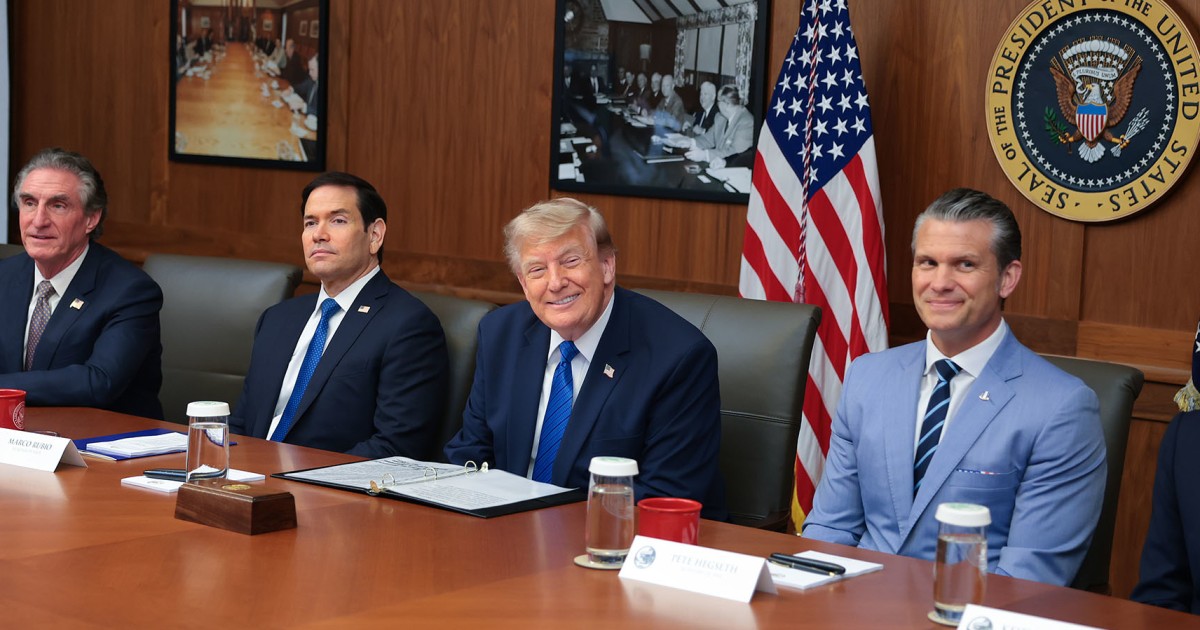
That position shifted on Friday, August 1. Speaking after a cabinet meeting at the Camp David retreat, Trump insisted he had not agreed to grant the license and warned that the US must be very careful about letting somebody build them
. He described the sharing of such advanced weaponry as a big step
. Trump further noted that he does not really license equipment and expressed uncertainty about whether the US would eventually grant the request.
Related YouTube video
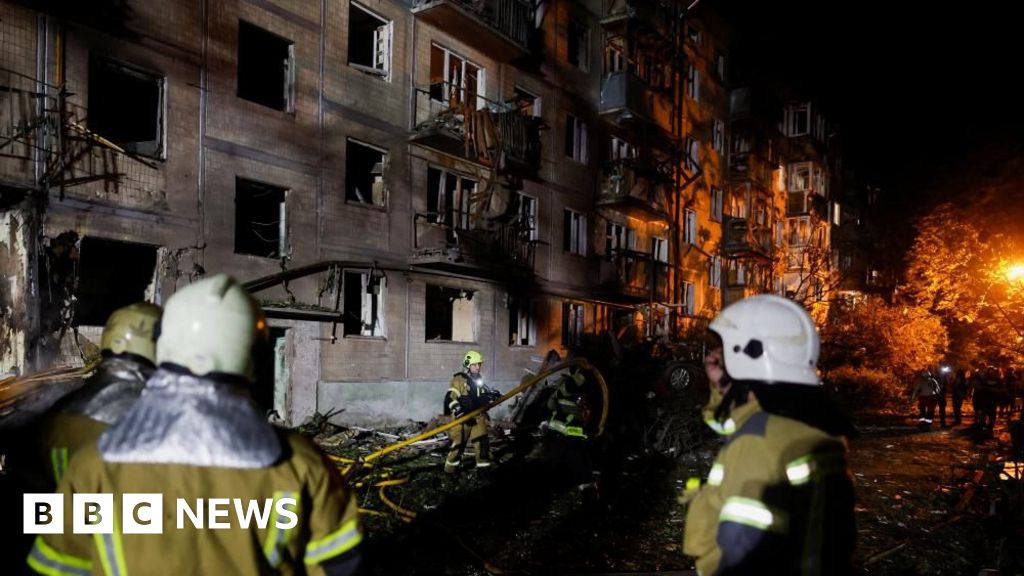
The reversal comes as Russian ballistic missile strikes on Kyiv intensify. On Saturday, local officials reported that at least four people were killed and 15 wounded in an attack that caused more than 10 explosions across the capital, according to the BBC. Among the wounded were two boys aged 13 and 17. Vitali Klitschko, the Mayor of Kyiv, reported a partially destroyed residential building in Shevchenkivskyi and a warehouse fire in the Darnytskyi district.
The stakes for Kyiv are immediate: the Patriot PAC-3 interceptor is currently the only weapon in Ukraine's arsenal capable of downing high-speed ballistic missiles. These interceptors function by crashing into incoming missiles at speeds of 4,000mph. Because of this specific capability, the US license is viewed by Kyiv as a necessity to reduce dependence on foreign deliveries.
- Ready Infrastructure: A workshop has already been constructed in western Ukraine, where a team of engineers is waiting to assemble missiles once blueprints and permission are granted.
- European Alternatives: In June, Germany, France, and Britain agreed to help Ukraine develop an alternative to the US Patriot system.
- Ukrainian Retaliation: Ukraine has expanded its own strikes, targeting Russian logistics hubs, including warehouses belonging to the online retailer Wildberries, to disrupt military supplies.
While Trump framed his hesitation around the risk of technology leakage and a desire for peace over production—stating, I'm not looking for missiles. We're looking for peace
, via Tribune India—military analysts suggest a different driver. According to the Centre for Strategic and International Studies, US stockpiles have been depleted by conflict with Iran. Analysts believe the US has used two-thirds of its Patriots, leaving fewer than 1,000 units available.
This scarcity creates a direct contradiction between the rhetoric of the two leaders. Volodymyr Zelenskyy maintains that a recent White House meeting was positive and productive
and that Trump accepted the need for the licenses. However, the BBC notes that Trump explicitly told reporters at Camp David that the US had not yet agreed to the production plan.
The tension remains unresolved as Ukraine continues to face unabated air attacks. On Friday, Zelenskyy wrote on X that he had followed up on the White House meeting through a phone call with Vice President JD Vance, emphasizing that Patriot interceptors against ballistic missiles remain a top priority
.
Technical and Geopolitical Barriers
Trump's reluctance extends to a fundamental distrust of the long-term security implications of technology transfer. During the Camp David retreat, he told reporters that the US must be cautious because they can someday turn on you
, via The Guardian. This sentiment aligns with his broader assertion in an interview with the Financial Times that the US don't really license equipment
and must be judicious about who receives such extraordinary weaponry.
The discrepancy in expectations between the two leaders is stark. While Zelenskyy maintains that the US accepted the need for licenses during their Washington meeting, Trump told reporters at Camp David that the US had not agreed to the production plan and that talks are merely ongoing
, according to the BBC.
For Kyiv, the ability to manufacture these interceptors is not merely a preference but a strategy to end total reliance on Western shipments. Solomiya Khoma, co-founder of the Ukrainian Security and Cooperation Centre, told The Telegraph that domestic production is the necessary evolution of the country's weapons industry, stating, This is the next step.
Whether this transition occurs depends on Trump's final determination on the licenses, which currently remain under review as he attempts to position himself as a mediator in the conflict, according to Tribune India.
Archypedia is dedicated to independent, evidence-backed reporting. This briefing was synthesized from primary source reporting, corroborated across independent newsrooms, and verified against our Editorial Standards.
Transparency record
Evidence behind this report
This report synthesizes 5 distinct sources. Open the source ledger below to compare the underlying coverage.
Prepared under the Archypedia Editorial Policy by the Samir Haddad editorial desk profile. AI-assisted tools may support drafting and verification; public accountability remains with Archypedia. Report an error.