Cinco distritos afectados por terremoto de 7,2 son declarados en emergencia en Perú
The 60-day emergency decree covers the provinces of Parinacochas and Huanca Sancos, mobilizing multiple ministries to rehabilitate infrastructure without additional treasury funds.

Damage to 83 homes and more than 20 schools, health centers, public buildings, and transport routes has triggered a state of emergency across five districts in the south-Andean region of Ayacucho. The decree, published Sunday, August 23, 2026, in the official diary El Peruano, follows a magnitude 7.2 earthquake that struck the region on Thursday, leaving three people injured and approximately 500 residents affected.
The emergency measure, attributed by Diario Las Américas to the administration of President Keiko Fujimori, will remain in effect for 60 days. It covers the districts of Chumpi, Coracora, Pullo, and Upahuacho in the province of Parinacochas, as well as the district of Carapo in the province of Huanca Sancos.
Related YouTube video
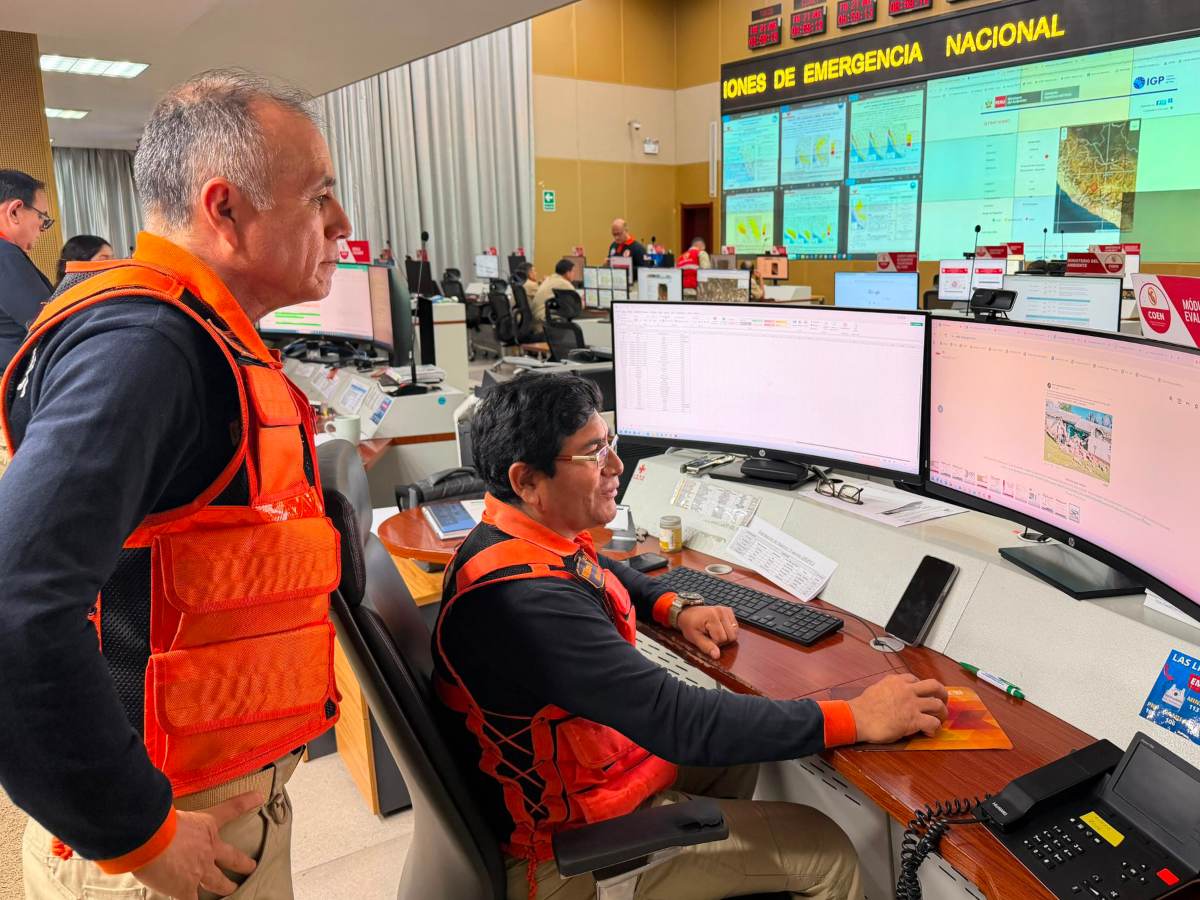

The state of emergency allows for the execution of "exception measures" that are immediate and necessary for the response and rehabilitation of the affected areas. According to the decree, any interventions must maintain a direct causal link to the damage caused by the earthquake and may be modified based on technical studies and security conditions.
A central constraint of the recovery effort is its funding mechanism. The decree specifies that the implementation of these actions will be financed using the existing institutional budgets of the involved entities, meaning the recovery will proceed without requesting additional resources from the National Treasury.
Operational leadership falls to the Regional Government of Ayacucho and local governments, with technical coordination and monitoring provided by the National Institute of Civil Defense (Indeci). A wide array of ministries will participate, including Health, Education, Interior, Defense, and the Ministry of Housing, Construction, and Sanitation, among others.
To supplement institutional budgets, the government has detailed a specific list of acceptable donations and free services to support the affected population.
- Medical and Personal Care: Vaccines, medications, medical equipment, sunblock, and insect repellent.
- Survival and Shelter: Food, drinks, clothing, textiles for warmth, tents, awnings, and sleeping bags.
- Infrastructure and Logistics: Construction materials, water treatment plants, electric generators, liquid and diesel fuel, and machinery.
- Communications: Batteries, transistor radios, and UHF/VHF communication radios.
- Free Services: Medical care, transport, catering, and logistics for dispatch, transfer, and storage.
This event is part of a wider pattern of seismic instability in Peru. According to the National Seismological Center (CENSIS) of the Instituto Geofísico del Perú (IGP), the country has recorded 568 earthquakes so far in 2026. Activity peaked in July with 115 events.
While Ayacucho is currently the focus of emergency measures, other regions have shown higher frequencies of movement this year. IGP chief Hernando Tavera reported that the regions with the highest number of seismic events include Arequipa (93), Lima (67), Ica (56), and Piura (44). Ica remains a point of historical reference for the government, as it was the site of a devastating earthquake in 2007 that resulted in 500 deaths.
The Ayacucho quake is the latest in a series of severe events. On July 18, 2026, a magnitude 5.4 earthquake struck Junín, killing five people and destroying dozens of homes in the rural provinces of Chupaca and Huayucachi in the central Andes.
The government now operates within a strict 60-day window to execute the necessary rehabilitation and exception actions before the emergency declaration expires.
Inter-ministerial Coordination and Response
The scope of the recovery effort involves a wide-reaching administrative network. According to La Hora and El Salvador, the technical monitoring led by Indeci is supported by an expansive list of ministries beyond the primary infrastructure and health sectors. This coordination includes the Ministry of Agrarian Development and Irrigation, the Ministry of Energy and Mines, and the Ministry of Labor and Employment Promotion.
Further social support is directed through the Ministry of Women and Vulnerable Populations and the Ministry of Development and Social Inclusion, ensuring that the rehabilitation efforts address the specific needs of the 500 affected residents.
The mobilization of these entities is critical because the government has prohibited the use of additional funds from the National Treasury. Every intervention must be justified by a direct causal link to the seismic damage, and as noted by Diario Las Américas, any changes to the plan must be backed by technical studies and security conditions.
The urgency of these actions is framed by the region's inherent vulnerability. The earthquake follows a pattern of severe Andean instability, such as the July 18 event in Junín that destroyed dozens of homes. For the residents of the five districts in Parinacochas and Huanca Sancos, the next step is the execution of these immediate response and rehabilitation measures before the 60-day emergency window closes.
How significant is this development?
Contribute your assessment to the aggregated reader intelligence ledger.
Archypedia is dedicated to independent, evidence-backed reporting. This briefing was synthesized from primary source reporting, corroborated across independent newsrooms, and verified against our Editorial Standards.
Transparency record
Evidence behind this report
This report synthesizes 4 distinct sources. Open the source ledger below to compare the underlying coverage.
Prepared under the Archypedia Editorial Policy by the Samir Haddad editorial desk profile. AI-assisted tools may support drafting and verification; public accountability remains with Archypedia. Report an error.