NORAD F-16s intercept two aircraft in restricted space over Trump golf club
The intervention occurred while President Trump attended the LIV Golf New York tournament, following a separate FAA investigation into a Marine One security breach.
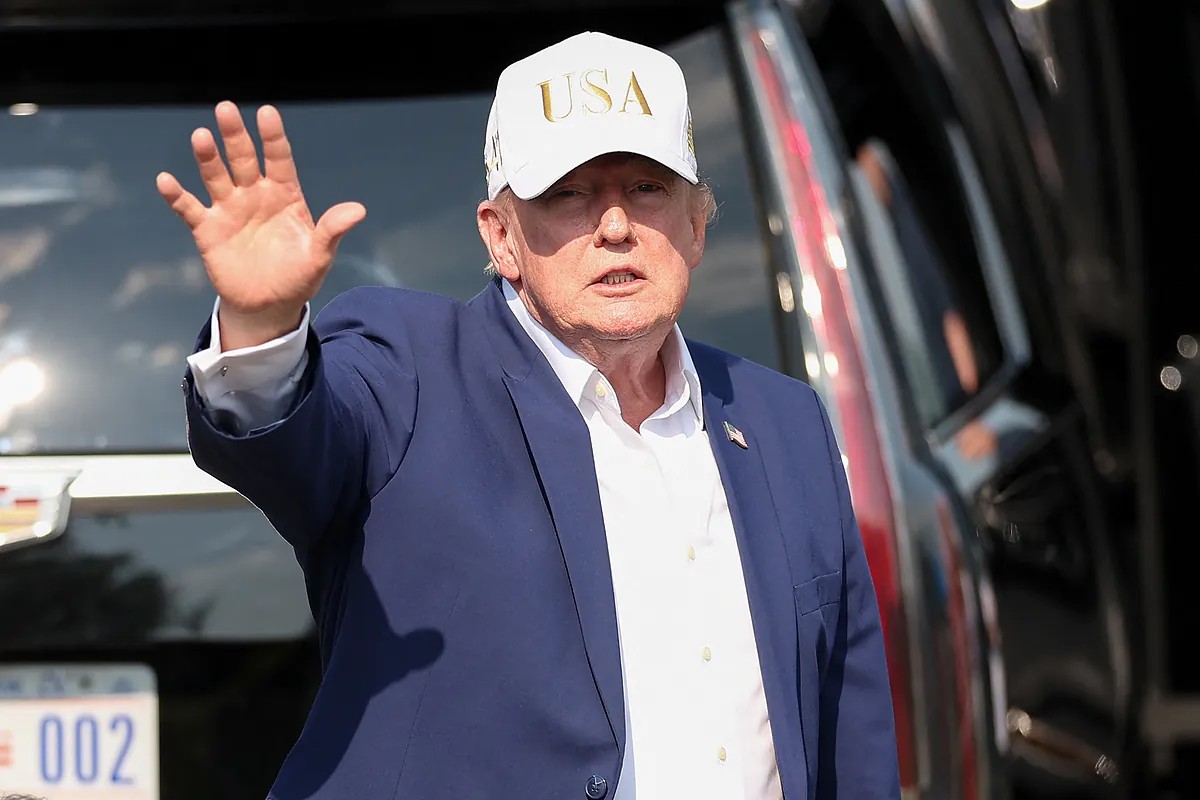
The combat aircraft were deployed to intercept two commercial planes that had entered restricted airspace over the Trump National Golf Club Bedminster while President Donald Trump was visiting the facility for the weekend.
The North American Aerospace Defense Command (NORAD) reported that its F-16s escorted the two civilian aircraft safely out of the restricted zone. The aircraft had violated temporary flight restrictions (TFRs) specifically activated during the president's presence at the club.
Related YouTube video

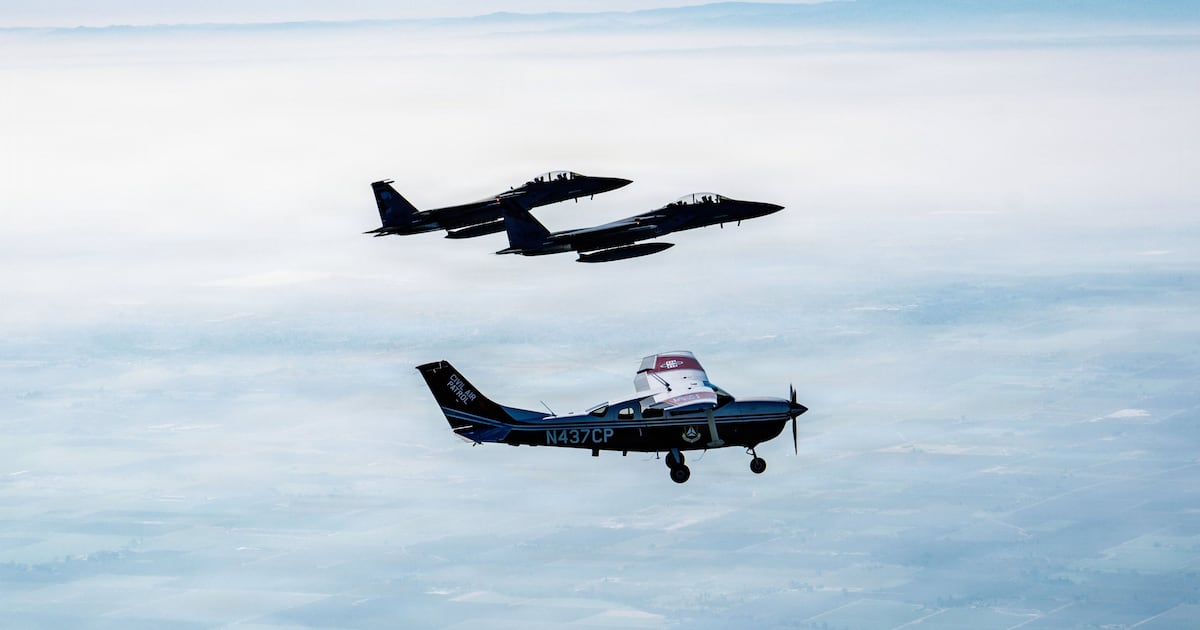

The operation was managed by the Continental U.S. Region of NORAD, which is based at Tyndall Air Force Base in Florida. According to reports from El Mundo and El Diario Ny, the standard procedure for a NORAD intercept requires the pilot of the intruding aircraft to turn around and change course until they receive further instructions from authorities.
Regulatory Framework and Warnings
Before every flight, pilots are required by the Federal Aviation Administration (FAA) to consult Notices to Airmen, known as NOTAMs. These notices communicate temporary flight restrictions and other hazards in the airspace.
The security posture in Bedminster—a private club located approximately 64 kilometers west of New York—had been heightened leading up to the event. As reported by La Tercera, NORAD had warned before the weekend that it would increase surveillance over the area and could employ combat aircraft and ground-based defense systems to maintain control.
The president was in Bedminster to attend the LIV Golf New York tournament, which was won by Chilean golfer Joaquín Niemann. He was scheduled to return to Washington on Sunday afternoon.
NORAD has declined to state whether the pilots committed a specific error, noting that such a determination falls under the jurisdiction of the FAA.
Patterns of Aviation Security Failures
Last Tuesday, the FAA began reviewing a situation involving Marine One. According to La Tercera and citing Reuters, Marine One departed the White House that afternoon, but air traffic controllers failed to suspend commercial flights at Ronald Reagan National Airport.
The suspension of those flights is a policy established last year following a fatal collision. While the FAA stated that the Marine One incident did not appear to be a "situation of imminent danger" and that the aircraft were not converging, the agency is continuing its investigation into the safety breach.
- Bedminster Incident: Combat jets used to remove commercial planes from a presidential TFR.
- Reagan Airport Incident: Failure to suspend commercial traffic during a presidential departure.
The White House did not immediately respond to requests for comment regarding the Sunday intercepts, according to Reuters. NORAD confirmed that no damage occurred during the intervention of the F-16s.
Operational Details of the Interception
The Sunday interception involved F-16 fighter jets deployed to escort the civilian aircraft out of the restricted zone. NORAD detailed that the operation was executed by its Continental U.S. Region, which operates out of Tyndall Air Force Base in Florida. The agency emphasized that the escort was completed safely and that the intervention caused no damage, according to El Diario Ny.
The deployment of these combat aircraft was part of a broader security plan for the weekend. According to La Tercera, NORAD had issued warnings before the weekend that it would not only increase surveillance over the Bedminster area but could also use ground-based defense systems to ensure control of the airspace.
This security posture coincided with the president's attendance at the LIV Golf New York tournament and his scheduled return to Washington on Sunday afternoon. While the fighter jets were used to remove the aircraft from the temporary flight restriction (TFR) zone, NORAD deferred any judgment on pilot error to the FAA.
The incident follows a separate security breach analyzed by the FAA on Tuesday, involving the presidential helicopter, Marine One. During that event, air traffic controllers failed to suspend commercial flights at Ronald Reagan National Airport following the helicopter's departure from the White House. The FAA is currently investigating that failure to adhere to a policy established last year after a fatal collision, though it noted that the aircraft were not converging. Determining whether the Bedminster pilots committed a specific error is the next step for the FAA.
How significant is this development?
Contribute your assessment to the aggregated reader intelligence ledger.
Archypedia is dedicated to independent, evidence-backed reporting. This briefing was synthesized from primary source reporting, corroborated across independent newsrooms, and verified against our Editorial Standards.
Transparency record
Evidence behind this report
This report synthesizes 6 distinct sources. Open the source ledger below to compare the underlying coverage.
Prepared under the Archypedia Editorial Policy by the Samir Haddad editorial desk profile. AI-assisted tools may support drafting and verification; public accountability remains with Archypedia. Report an error.