Trump’s Justice Department subpoenas NY Times journalists over Qatari Air Force One report
Federal agents have ordered several New York Times reporters to testify before a grand jury following reports on security vulnerabilities in the president's Qatari-gifted jet.
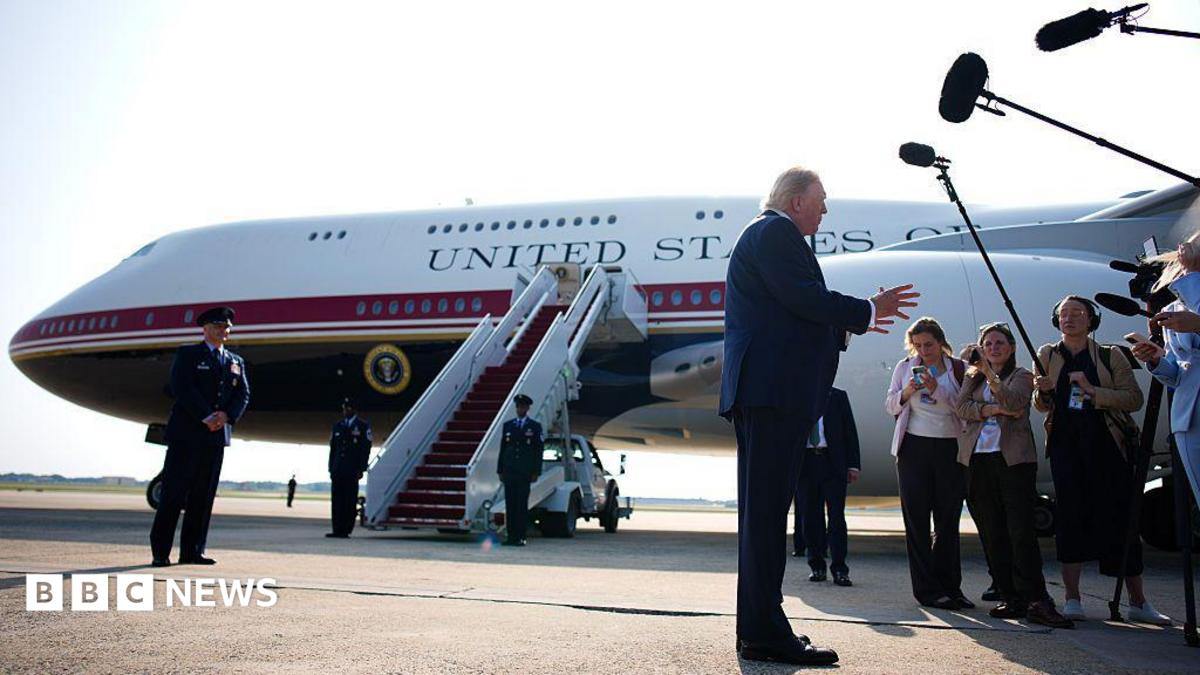
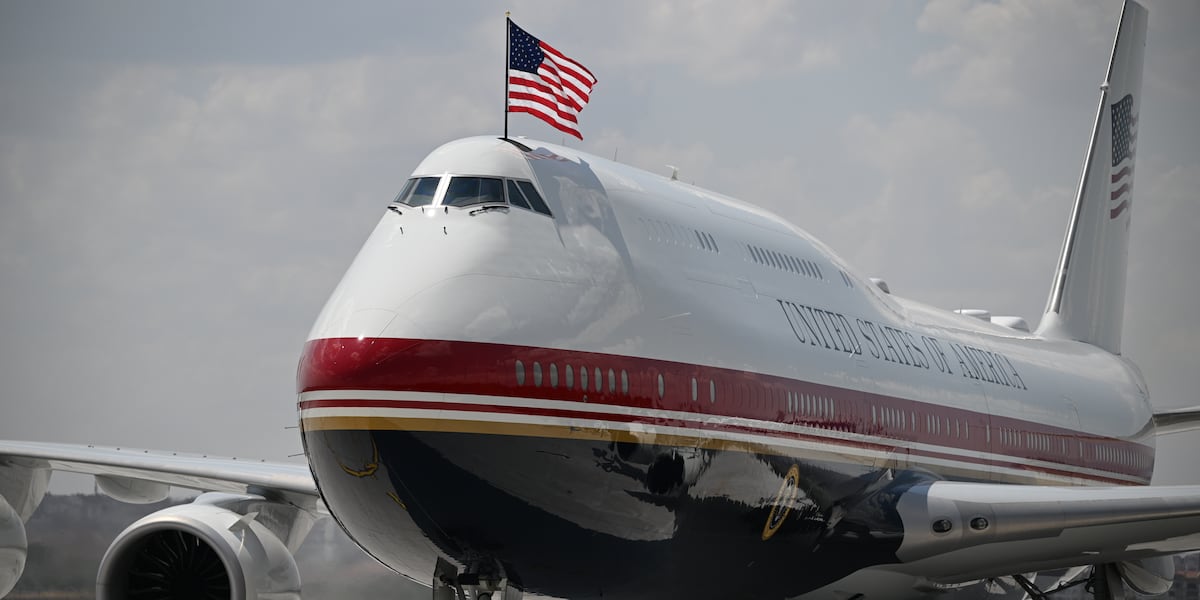
The Trump administration has issued subpoenas to multiple New York Times journalists, ordering them to testify before a federal grand jury in Manhattan on Wednesday. The move follows reporting by the newspaper regarding security vulnerabilities in the president's new Air Force One, a Boeing 747-8 gifted by Qatar.
According to the New York Times, federal agents delivered some of the subpoenas directly to the reporters' homes. The documents, issued by U.S. Attorney for the Southern District of New York Jay Clayton, state that the testimony is sought in regard to an alleged violation of federal criminal law
, though they are sparse on further specifics.
Related media
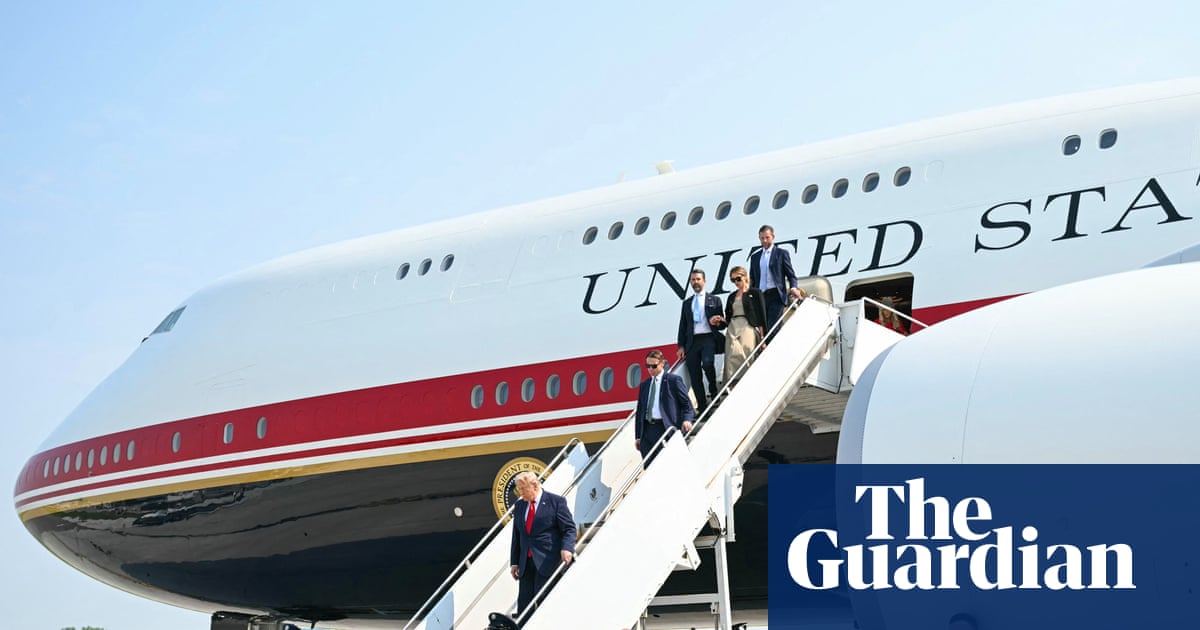
The subpoenas target journalists including Julian E. Barnes, Eric Lipton, Tyler Pager, and Eric Schmitt. These reporters authored a story revealing that President Donald Trump departed a NATO summit in Turkey on an older Air Force One aircraft as a precautionary measure at the direction of the Secret Service.
The Qatari-Gifted Jet and Security Concerns
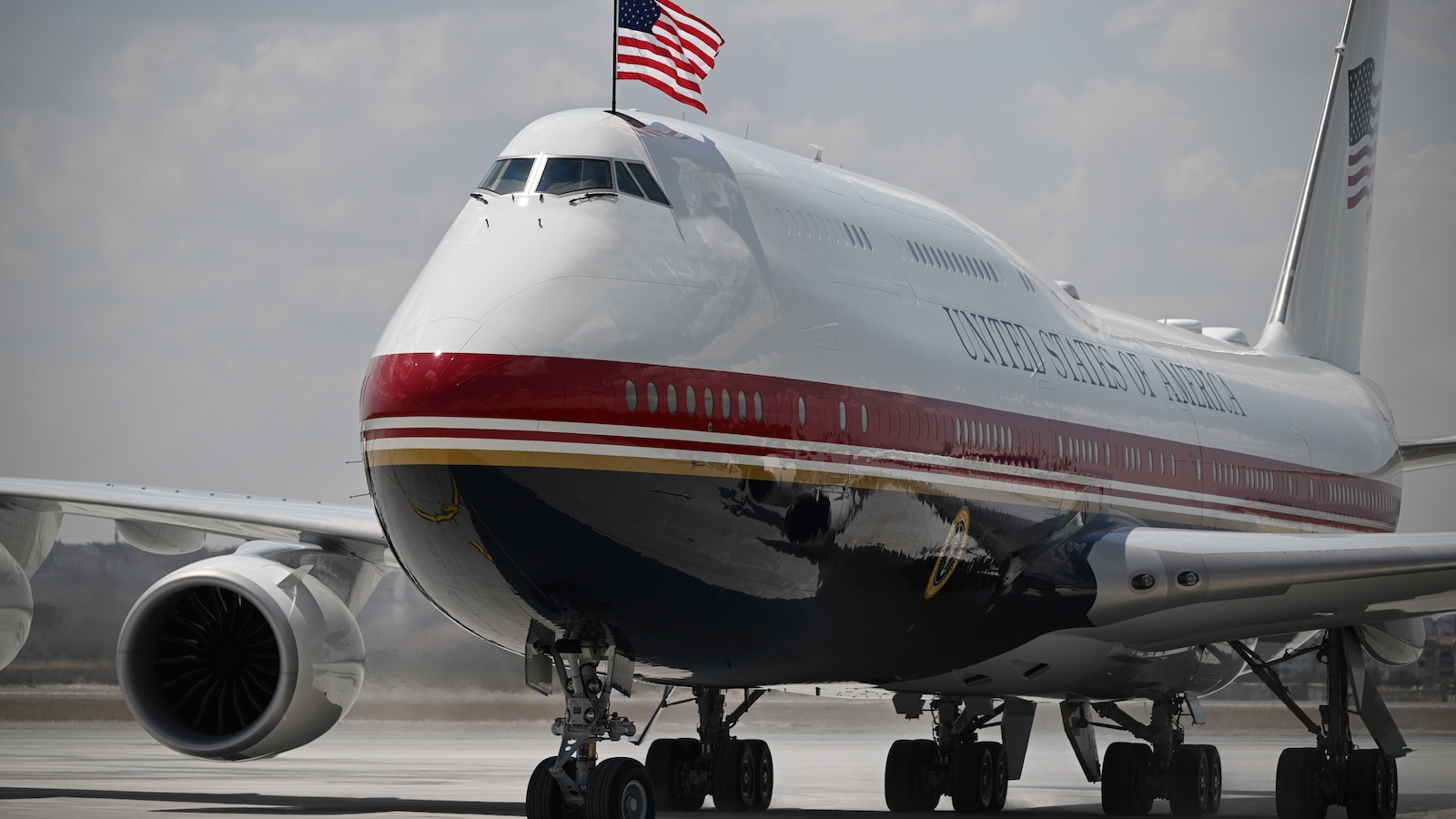
The aircraft at the center of the dispute is a Boeing 747-8 provided by Qatar as a gift. The U.S. Administration spent $400 million to retrofit and upgrade the jet. Despite these upgrades, the New York Times reported, citing anonymous sources, that the aircraft lacks some advanced security features found in older models, specifically antimissile capabilities.
The security concerns coincided with a volatile geopolitical environment. While the president was in Turkey, a shaky ceasefire with Iran collapsed, leading to U.S. Airstrikes on Iran and Iranian attacks on three Gulf Arab states. Because Iran and Turkey share a border, the decision to swap planes sparked speculation about the new jet's defensive capabilities.
President Trump has denied any security shortcomings. He claimed on social media that he flew the older aircraft from Ankara to RAF Mildenhall in the U.K. for old times's sake
so that service members there could view the new jet. During a flight, he told accompanying reporters that security concerns involving Iran were not a factor in the plane swap, though he acknowledged, I have a threat all the time. I’m No. 1 on their list
.
White House spokesperson Steven Cheung defended the aircraft as state-of-the-art
and suggested the use of multiple planes was a form of distraction and misdirection
to address threats.
Justice Department and FBI Response
The subpoenas followed a Friday meeting at the White House between FBI Director Kash Patel and other Justice Department officials, according to a person familiar with the discussions cited by AP News. Before the New York Times published its report, a senior FBI official contacted the outlet asking that the story be held for national security reasons and requesting the disclosure of sources, which the newspaper refused.
The Department of Justice (DOJ) stated that its investigation targets those who leak classified information rather than the press. In a statement, the DOJ said:
"To be clear, reporters are not the targets, those leaking classified information are. ... We recognize there may always be natural tension there, but we are not going to ignore the law and stop investigating the people who work in the administration and think it’s okay to leak classified information impacting national security."
DOJ Spokesperson, via The Independent
Legal and Ethical Backlash
The administration's actions have drawn sharp criticism from press freedom advocates and legal experts. David McCraw, an attorney for the New York Times, described the home visits by federal agents as a brazen act
that should shock the conscience of any American who believes in the Constitution
.
Other organizations and figures have weighed in on the escalation:
- The National Press Club: urged the DOJ to withdraw the subpoenas immediately.
- Reporters Committee for Freedom of the Press: President Bruce D. Brown stated the move breaks longstanding practice by not treating reporters as a last resort for information.
- Fox News: Chief national security correspondent Jennifer Griffin stated that subpoenaing reporters for legitimate news on security concerns
should alarm every American
.
Pattern of Press Confrontation
This incident is part of a broader pattern of tension between the Trump administration and the media. In April 2025, then-Attorney General Pam Bondi rescinded a Biden-era policy that protected journalists from the secret seizure of phone records during leak investigations. This gave prosecutors renewed authority to use subpoenas and warrants to find government officials making unauthorized disclosures.
The administration has previously targeted other news organizations. Earlier this year, the DOJ issued subpoenas to reporters at The Wall Street Journal and The Washington Post, though those were withdrawn after the outlets fought them. In January 2026, FBI agents searched the home of Washington Post reporter Hannah Natanson, seizing laptops, phones, and a smartwatch as part of a probe into a government contractor's handling of classified information.
Further legal actions include the pursuit of criminal charges against journalists Don Lemon and Georgia Fort, as well as photographer Junn Bollman, following their coverage of a January protest at a Minnesota church.
Archypedia is dedicated to independent, evidence-backed reporting. This briefing was synthesized from primary source reporting, corroborated across independent newsrooms, and verified against our Editorial Standards.
Transparency record
Evidence behind this report
This report synthesizes 12 distinct sources. Open the source ledger below to compare the underlying coverage.
- apnews.com
- malaysia.news.yahoo.com
- wbrc.com
- theguardian.com
- abcnews.com
- yahoo.com
- nypost.com
- cbsnews.com
- timesnownews.com
- independent.co.uk
- usatoday.com
- latimes.com
Prepared under the Archypedia Editorial Policy by the Samir Haddad editorial desk profile. AI-assisted tools may support drafting and verification; public accountability remains with Archypedia. Report an error.