Iran drone strike hits US base in Kuwait, ship hit near Hormuz
Iran drone strike hits US base in Kuwait, ship hit near Hormuz
Washington and Tehran are offering sharply conflicting accounts of whether active diplomatic negotiations are underway, even as physical violence escalates across the Middle East. President Donald Trump asserted that high-stakes talks are progressing quickly to reopen the Strait of Hormuz, while Iranian officials flatly deny any direct engagement with the United States. That diplomatic disconnect was underscored when Iran's Islamic Revolutionary Guard Corps launched a drone attack using at least three drones against a US military base in Kuwait, and a merchant vessel near Oman was struck by an unknown projectile, leaving one seafarer missing.
The convergence of military strikes and contradictory diplomatic claims highlights the immediate dangers facing commercial crews and military personnel in the region. According to the United Kingdom Maritime Trade Operations center, a dry bulk cargo vessel was hit late Monday while sailing roughly 20 nautical miles northeast of Al Khasab, Oman, near the eastern entrance to the Strait of Hormuz. Concurrently, a source familiar with the matter confirmed to The Jerusalem Post that the IRGC targeted the US base in Kuwait with at least three drones early Tuesday, as state media reported a large fire breaking out in Kuwait and Arab outlets noted loud explosions across Iraq's adjacent Basra province.
Related YouTube video

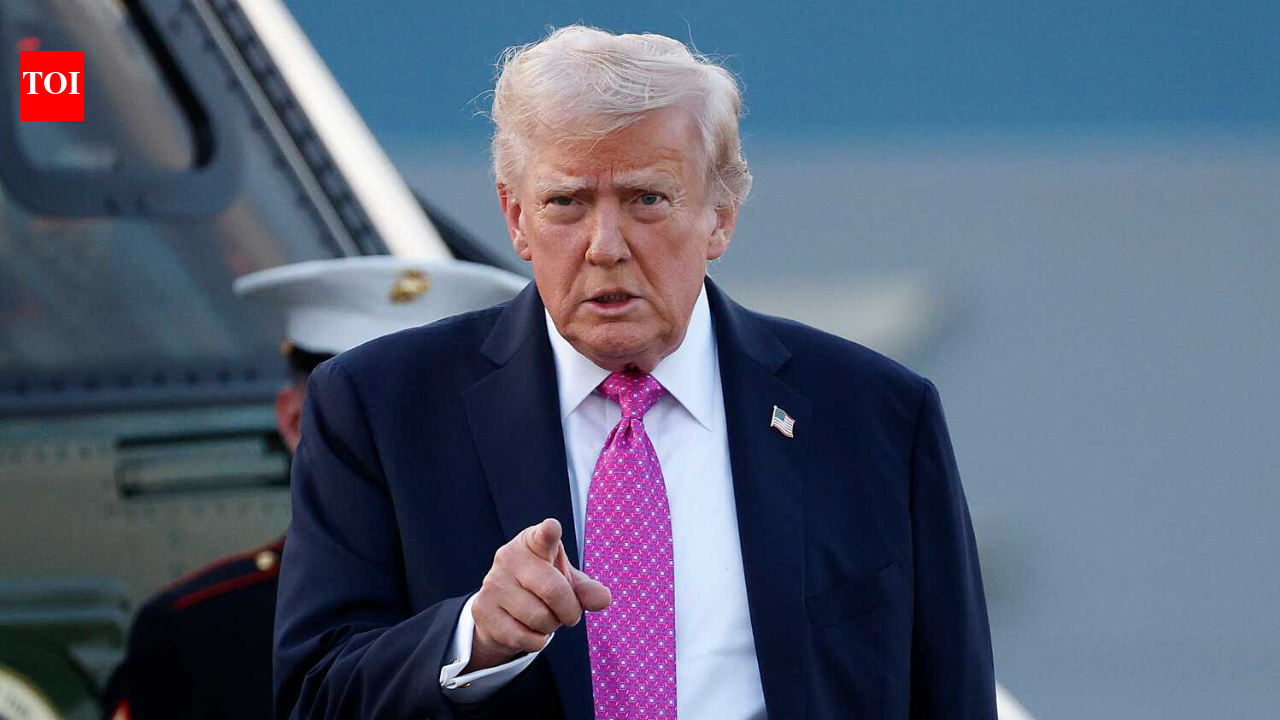
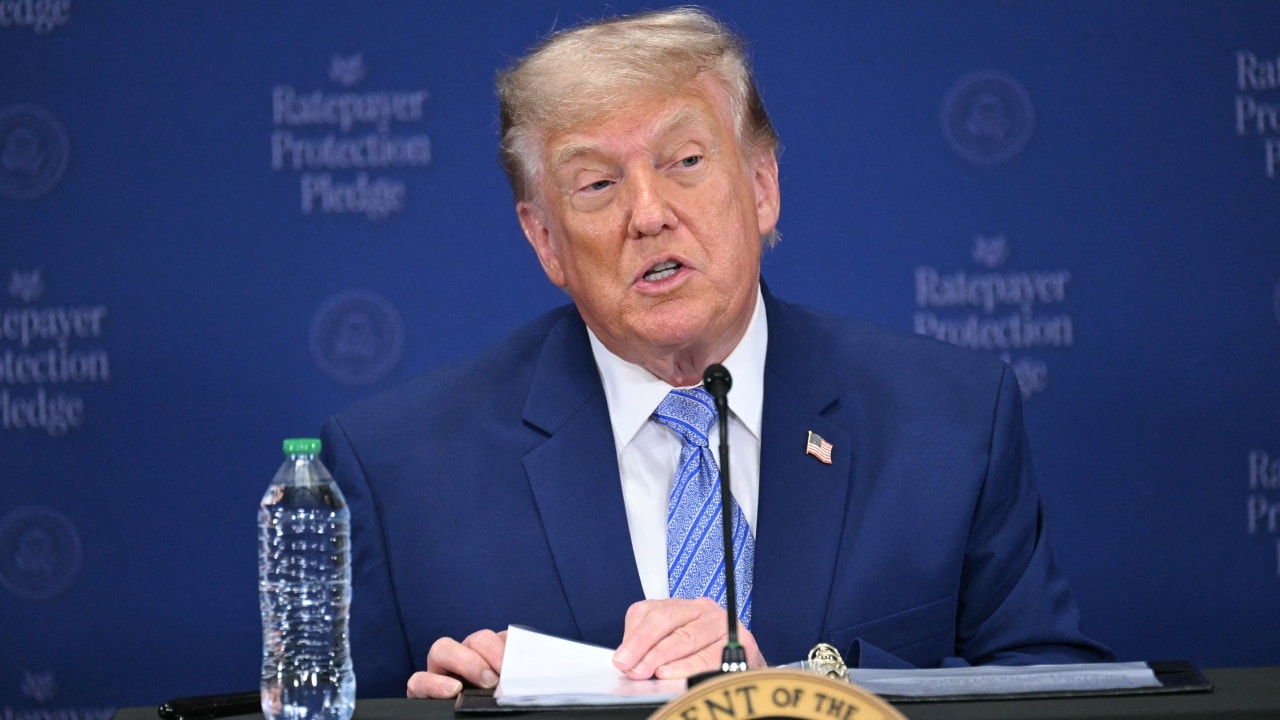
The physical assaults directly challenge the narrative advanced from the White House. Trump told reporters at the Oval Office that Washington had paused what he described as a planned massive military operation after receiving requests from Saudi Arabia, the United Arab Emirates, Qatar, and Iran to pursue diplomacy instead. Warning Tehran that it faced a "last chance before decapitation," Trump insisted that negotiations were ongoing.
Trump outlined a two-phase framework: the immediate reopening of the Strait of Hormuz as Phase 1, followed in Phase 2 by negotiations addressing Iran's nuclear capabilities and eventual denuclearisation."They're going on right now. It's an amazing thing we have a little problem with Iran because we have many talks, and we'll say we have or we don't have. You know, we're straight about it, but they deny it,"
Donald Trump, US President, via The Media Line
Tehran has pushed back against that framing. Iranian Foreign Ministry spokesperson Esmaeil Baghaei told reporters that Iran does not currently have negotiations with America and has no plans to host foreign delegations or send negotiators abroad. Instead, Iranian officials maintained that discussions are restricted to Oman regarding a temporary safe shipping route through the strategic waterway. Furthermore, senior military advisor Mohsen Rezaee rejected Trump's assertions entirely, warning that Tehran will not permit any shipping route through the strategic chokepoint other than the one designated by Iran, and threatening to target any US warships using unauthorized routes. Rezaee asserted that during the 17 days of fighting following the breach of a prior memorandum of understanding, Iran dealt severe blows to the US.
Meanwhile, Iranian President Masoud Pezeshkian asserted that while Tehran does not seek to escalate regional conflict, the nation will uncompromisingly safeguard its sovereignty and territorial integrity.
Whether the Strait of Hormuz will see a negotiated reopening or further military conflict remains entirely unresolved as the self-imposed diplomatic window narrows under the weight of escalating maritime attacks and active retaliatory strikes.
Maritime Blockades and Mediated Pressures
The intensifying confrontation has drawn in regional intermediaries alongside active naval blockades. According to Reuters data cited by Moneycontrol, shipping movement through the Strait of Hormuz dropped significantly, with only six vessels crossing the vital corridor as the enforcement of American naval measures continued. Meanwhile, Iranian state-run IRNA reported that Iraqi politician Meysar al-Shammari stated Prime Minister Ali al-Zeidi was actively mediating between Tehran and Washington, traveling to both capitals carrying messages intended to prevent a wider regional conflagration and encourage diplomatic flexibility.
At the same time, conflicting assessments of diplomatic efforts have created friction among international observers. Retired US General Jack Keane, identified as a Trump ally by Moneycontrol, criticized the mediation roles played by Qatar and Pakistan, alleging that their involvement favored Iran and potentially complicated Washington's understanding of Iranian intentions.
- US Central Command reported in a post on X Monday that it had redirected 44 commercial vessels, disabled two and boarded two while enforcing the US blockade of Iran as of August 3.
- Saudi Aramco posted a 44% rise in second-quarter net profit to $32.69 billion, even as Saudi Arabia's oil sector contracted 24.7% year-on-year.
- Crude futures slid more than 6% on hopes for a negotiated end to the conflict, supported by an agreement among Saudi Arabia, Russia and five other OPEC+ members to increase production by 188,000 barrels per day from September.
These intersecting economic pressures and diplomatic disagreements leave the timeline for a resolution highly uncertain. As the diplomatic window narrows under the weight of active military exchanges and disputed talks, the next step depends on whether regional channels can establish a secure framework for commercial transit through the contested waterway.
How significant is this development?
Contribute your assessment to the aggregated reader intelligence ledger.
Archypedia is dedicated to independent, evidence-backed reporting. This briefing was synthesized from primary source reporting, corroborated across independent newsrooms, and verified against our Editorial Standards.
Transparency record
Evidence behind this report
This report synthesizes 4 distinct sources. Open the source ledger below to compare the underlying coverage.
Prepared under the Archypedia Editorial Policy by the Samir Haddad editorial desk profile. AI-assisted tools may support drafting and verification; public accountability remains with Archypedia. Report an error.