Houthis seize strategic Red Sea island and threaten vital shipping route
Houthis seize strategic Red Sea island and threaten vital shipping route
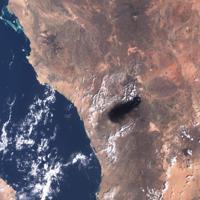
A synchronized military escalation along the Bab el-Mandeb chokepoint has simultaneously upended regional energy transit and triggered a mass displacement crisis across Yemen, after Iran-backed Houthi forces seized key Red Sea islands and ports and forced the precautionary shutdown of Saudi Arabia’s primary crude pipeline. The offensive represents the largest territorial push by the movement in years and directly threatens international maritime alternatives relied upon after restrictions paralyzed tanker traffic through the Strait of Hormuz.
The dual shock stems from the September 10, 2026 capture of the port city of Mocha, followed swiftly by the takeover of Mayun Island, also known as Perim, inside the narrow strait connecting the Red Sea to the Gulf of Aden. Compounding the maritime squeeze, a series of drone strikes targeted Saudi Arabia’s crucial 1,200-kilometer East-West pipeline, prompting the kingdom to suspend operations as a preventive measure. While Riyadh and Baghdad concluded that the explosive drones originated from Iraqi territory, the resulting constriction of global energy flows drove benchmark Brent crude prices surging back above $100 a barrel, placing intense financial leverage in the hands of Tehran and its regional allies.
Related YouTube video
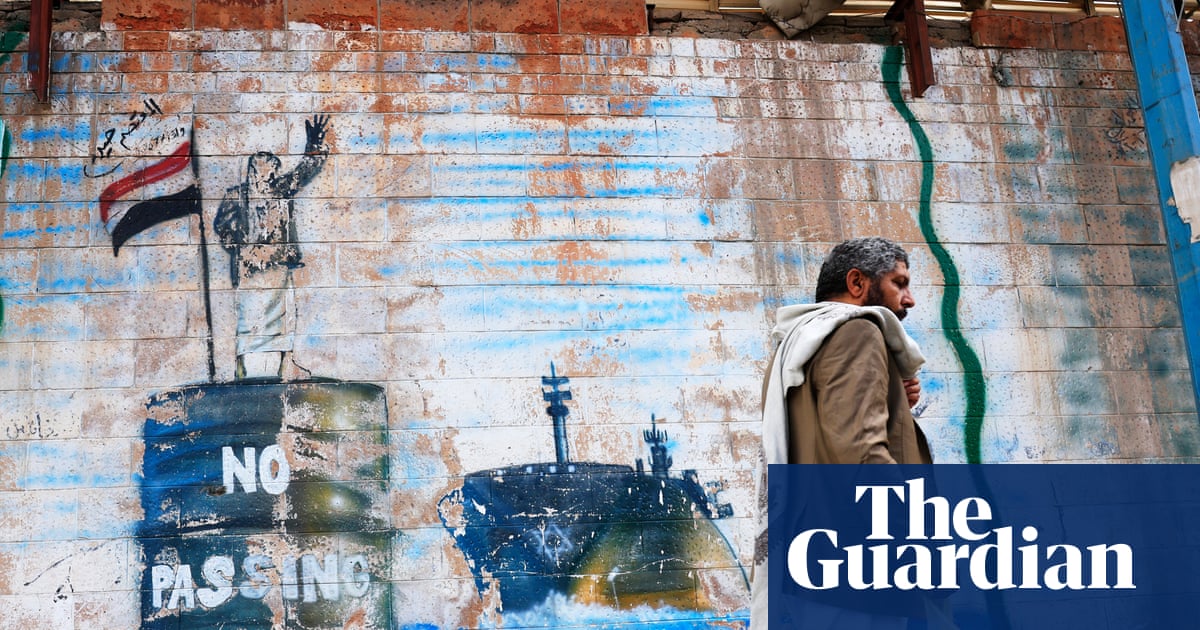

Strategic Seizures and Maritime Chokepoints
The fall of Mocha and Mayun Island marks a dramatic expansion of Houthi coastal control along the western seaboard of Yemen, an advance with deep historical roots stretching back to the movement's emergence from northern Yemen's Zaydi community. Military officials from Yemen's internationally recognized government confirmed that the offensive caught allied forces off guard, noting that a lack of operational coordination and the absence of expected Saudi air support left the coastal approach exposed.
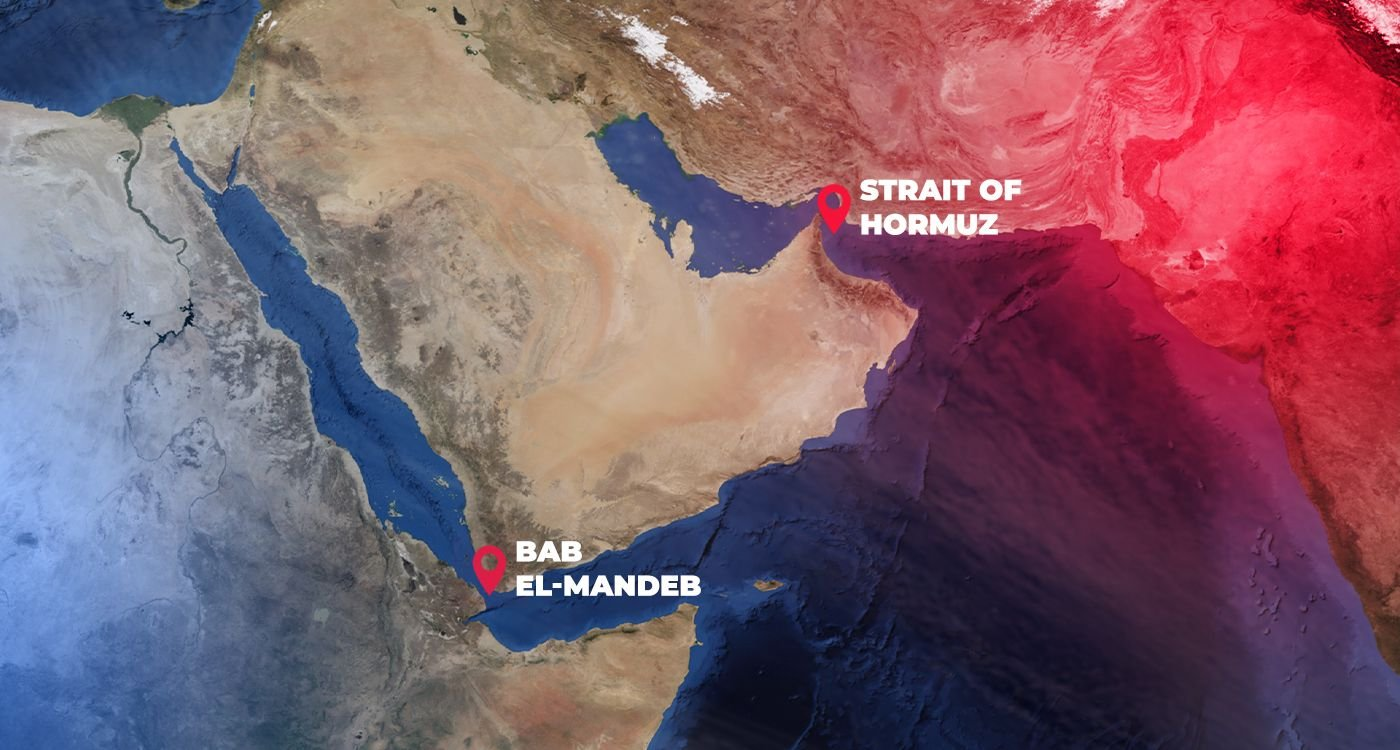
By establishing footholds on Perim Island and pushing toward Dhubab, the armed group has effectively inserted itself into the 28-kilometer-wide Bab el-Mandeb channel. This escalation compounds global trade vulnerabilities. With the Strait of Hormuz largely restricted due to ongoing conflict involving Iran, Saudi Arabia had increasingly diverted its massive crude exports through Red Sea ports connected to the East-West pipeline, moving upwards of 5 million barrels per day. The sudden intersection of maritime blockades and pipeline shutdowns leaves international energy transit squeezed between two opposing regional pressure points.
| Asset or Strategic Location | Operational Status | Strategic Impact |
|---|---|---|
| Bab el-Mandeb Strait (Mayun/Perim Island) | Captured by Houthi forces | Threatens maritime transit connecting the Red Sea to the Gulf of Aden and Suez Canal. |
| Saudi East-West Pipeline | Shut down as a precaution | Halts a vital alternative route carrying 4 million to 5 million barrels of oil per day. |
| Mocha Port & Airport | Seized by Houthis; targeted by subsequent airstrikes | Provides coastal staging grounds and severs government supply lines in Taiz province. |
Diplomatic Friction and Washington's Refusal
The military developments have exposed sharp divisions among allied capitals regarding how to respond to the resurgent front. Saudi Crown Prince Mohammed bin Salman placed telephone calls requesting direct U.S. Military intervention and air strikes against the Houthi movement, but President Donald Trump rebuffed the appeals. American officials informed Riyadh that U.S. Forces would remain strictly focused on containment actions regarding Iran and the Strait of Hormuz, though Washington continues to supply intelligence and advisory support through more than 100 military personnel stationed in the kingdom.
Complicating diplomatic channels further, President Trump acknowledged that the Houthi leadership had separately communicated with American interlocutors.
Trump told reporters, adding that the group claimed to leave commercial shipping largely unmolested except for Saudi-linked vessels. Meanwhile, regional diplomacy continued on multiple tracks; Iranian Foreign Minister Abbas Araghchi and his Saudi counterpart discussed stability efforts, while preparations advanced for upcoming ministerial talks hosted in Oman to address maritime transit rules through the Gulf."The Houthis called us, and they don’t want to fight with us,"
Donald Trump, U.S. President, via Channel NewsAsia
Frequently Asked Questions
Why is the Bab el-Mandeb Strait so critical to global commerce?
The strait connects the Red Sea with the Gulf of Aden, forming an essential bottleneck for the maritime trade route between Asia and Europe via the Suez Canal. Its control directly impacts oil tankers and container ships seeking to bypass disruptions in the Strait of Hormuz.
Who is responsible for the drone attacks that shut down the Saudi oil pipeline?
Saudi Arabia and Iraqi authorities concluded that the explosive drones launched against the East-West pipeline originated from Iraqi territory, prompting the Iraqi prime minister to dismiss local military commanders and launch an investigation.
For the civilian population trapped inside Yemen, however, geopolitical maneuvering translates into immediate humanitarian catastrophe. The UN migration agency reported that the surge in fighting has displaced more than 46,000 to 76,000 people in a matter of days, forcing families to abandon their homes in frantic haste. Aid organizations, including Doctors Without Borders, have scrambled to keep regional medical facilities operational even as medical staff flee the advancing front lines, threatening to drag the Arab world's poorest nation back into a devastating conflict that previously claimed 150,000 lives.
As regional stakeholders prepare for Monday's scheduled meetings in Oman to negotiate transit rules and the future status of the Strait of Hormuz, the unresolved question remains whether the Houthi maritime blockade and pipeline shutdowns will persist or force a fundamental realignment of Middle Eastern energy corridors.
Archypedia is dedicated to independent, evidence-backed reporting. This briefing was synthesized from primary source reporting, corroborated across independent newsrooms, and verified against our Editorial Standards.
Transparency record
Evidence behind this report
This report synthesizes 8 distinct sources. Open the source ledger below to compare the underlying coverage.
- 5pillarsuk.com
- hurriyetdailynews.com
- timesfreepress.com
- theguardian.com
- independent.co.uk
- azernews.az
- channelnewsasia.com
- ynetnews.com
Prepared under the Archypedia Editorial Policy by the Samir Haddad editorial desk profile. AI-assisted tools may support drafting and verification; public accountability remains with Archypedia. Report an error.