Feminist icon and journalist Gloria Steinem dies at 92
From an undercover exposé of the Playboy Club to the creation of the first major women-led magazine, Steinem spent six decades building the machinery for gender equality.
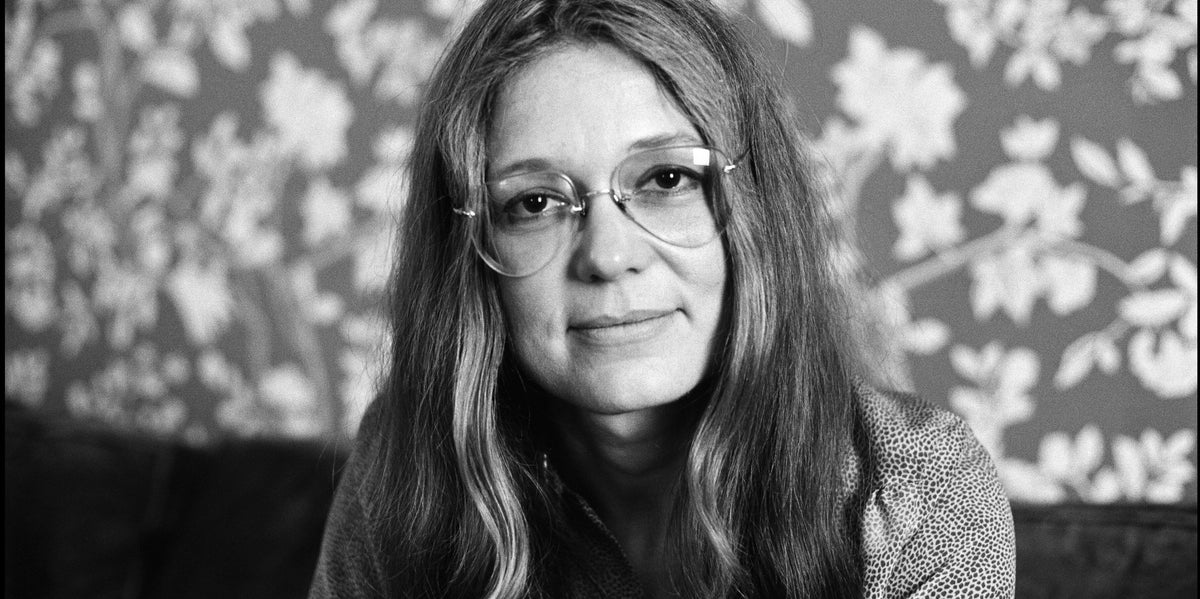
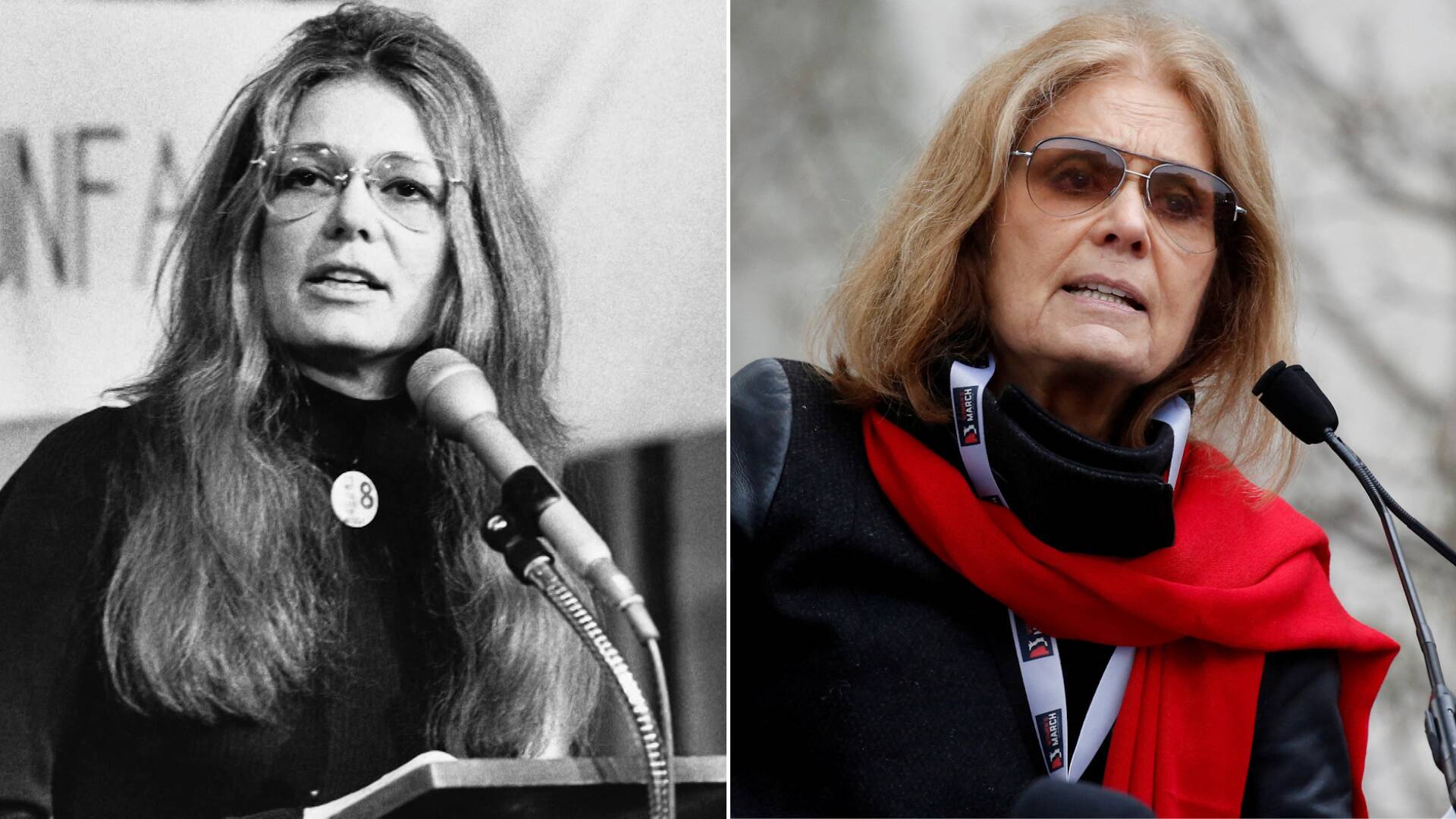
The visual was a precise emblem of 1970s New York chic: blonde-streaked hair parted down the middle and tinted aviator glasses. But behind the image of the fearless public intellectual, Gloria Steinem described public speaking as her nightmare
and admitted she was terrified
to stand before a crowd.
Steinem died September 2, 2026, at her home in New York City at age 92, according to a statement from her foundation. She spent more than six decades navigating the intersection of journalism and activism, describing herself as an entrepreneur of social change
who built the institutional machinery for gender equality during an era when women often needed a man's signature to obtain a credit card.
Related video and Instagram post

Her rise to prominence was marked by a professional contradiction. In 1963, she gained national attention for A Bunny’s Tale
, an undercover exposé of the low pay and sexualized treatment of employees at New York’s Playboy Club. While the assignment brought widespread recognition, Steinem later told the Associated Press that the association blighted
her career, making it more difficult for editors to view her as a serious journalist.
The shift from observer to activist arrived in 1969. After covering an abortion rights speak-out, Steinem found a catalyst for her own involvement in the movement. The connection was personal: at age 22 in 1957, she had undergone a secret illegal abortion. She later dedicated her 2015 memoir, My Life on the Road, to the doctor who performed the procedure.
Steinem’s transition to the podium was born of necessity. She noted that mainstream editors showed little interest in her feminist reporting, forcing her to overcome her fear of public speaking to organize. In 1971, she co-founded the National Women’s Political Caucus alongside Betty Friedan, Shirley Chisholm, and Fannie Lou Hamer. To ensure the movement did not center exclusively on white, middle-class women, she formed a close partnership with Dorothy Pitman Hughes.
By 1972, Steinem sought to create a media ecosystem that bypassed traditional gatekeepers. She co-founded Ms. Magazine, which addressed women as more than housewives and tackled subjects the mainstream press ignored, such as workplace inequality and domestic violence. According to Democracy Now!, it was the first major publication owned, run, and written by women. Steinem recalled that at the time of launch, there was not even a term for sexual harassment
.
While her public image became that of a grassroots leader, Steinem’s earlier career included a role less aligned with that persona. Democracy Now! reports that before her rise as a face of the movement, she served as director of the Independent Research Service, a nonprofit educational foundation that was secretly funded by the CIA.
Steinem eventually leveraged her celebrity to maintain political relevance, appearing as herself in scripted series such as The Good Wife and And Just Like That… and receiving the Presidential Medal of Freedom from Barack Obama in 2013.
The Mechanics of Empathy
In her later years, Steinem moved away from the podium toward talking circles
—small, in-person gatherings centered on the sharing of direct experiences. She argued that true empathy required physical presence, stating in 2015 that people must be in the same room with all five senses
to connect, as the process cannot be replicated via the web or phone.
This philosophy of bodily integrity defined her final political warnings. Following the 2022 reversal of Roe v. Wade, she wrote in an email to the AP:
"Either our control over our own bodies is equal, regardless of sex or race, or we're not living in a democracy."
Gloria Steinem, via Associated Press
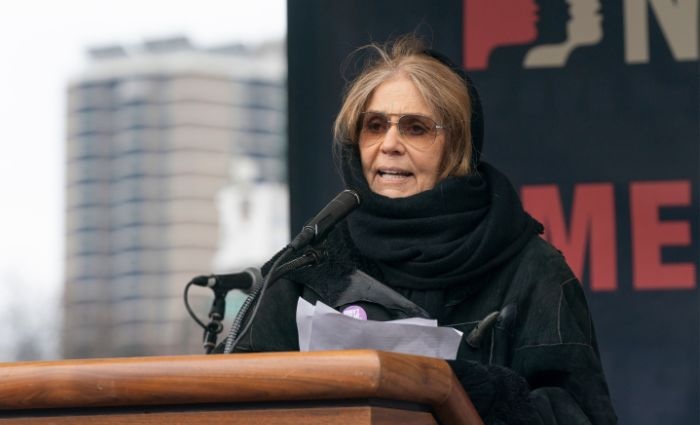
The same theme anchored her keynote speech at the 2017 Women's March in Washington. Addressing the crowd on January 21, she argued that the Constitution begins with We the people
rather than I the president
. She asserted that without control over one's body from the skin in
, it is impossible to control one's life from the skin out
.
Steinem remained focused on the idea that equality was an active process rather than a finished historical achievement. Her final written contribution was the February 2026 publication of Rise, Girl, Rise: Our Sister-Friend Journey. Together for All, a picture book co-authored with Nobel laureate and Liberian peace activist Leymah Gbowee.
Archypedia is dedicated to independent, evidence-backed reporting. This briefing was synthesized from primary source reporting, corroborated across independent newsrooms, and verified against our Editorial Standards.
Transparency record
Evidence behind this report
This report synthesizes 9 distinct sources. Open the source ledger below to compare the underlying coverage.
- apnews.com
- reel360.com
- aol.com
- yahoo.com
- democracynow.org
- katu.com
- business-standard.com
- outlookindia.com
- tribune.com.pk
Prepared under the Archypedia Editorial Policy by the Samir Haddad editorial desk profile. AI-assisted tools may support drafting and verification; public accountability remains with Archypedia. Report an error.