Drone attack blamed on guerrillas kills at least three soldiers in Colombia
Drone attack blamed on guerrillas kills at least three soldiers in Colombia
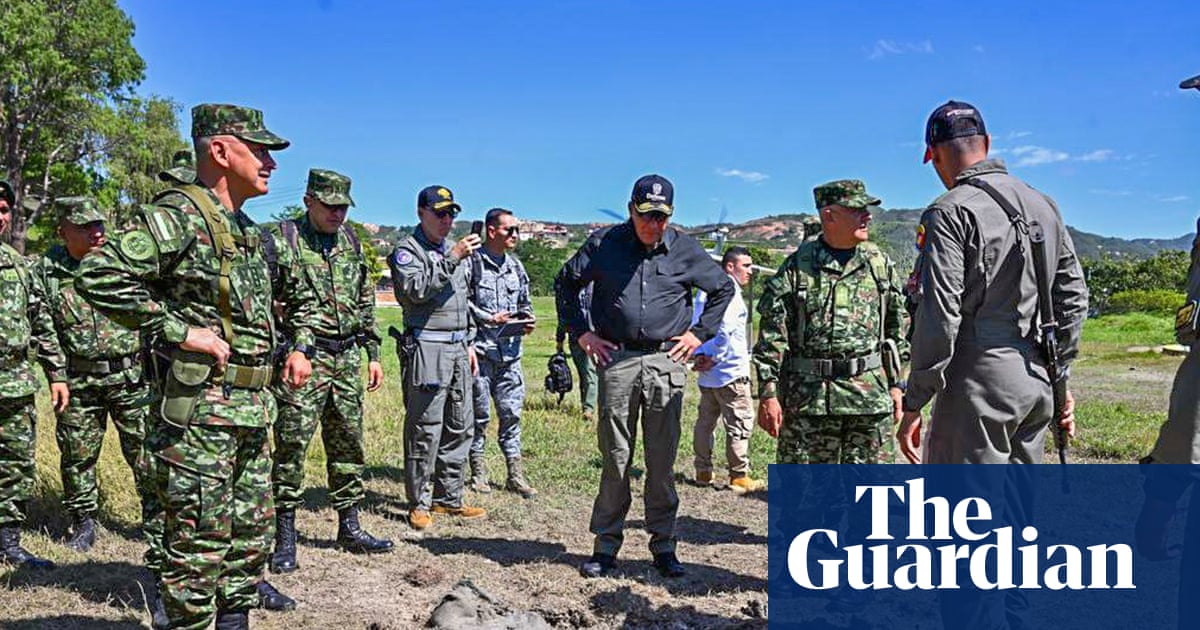
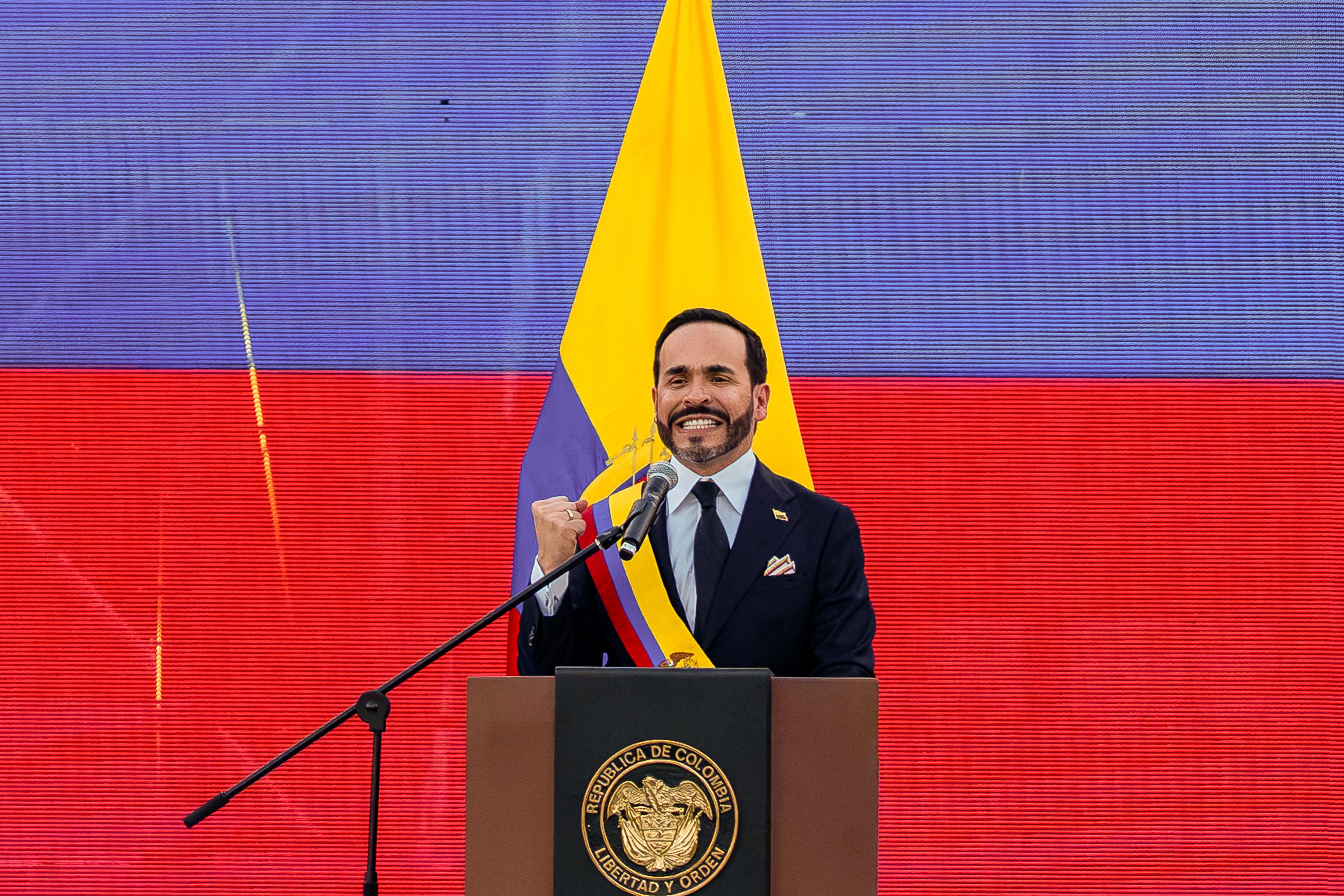
While President Abelardo de la Espriella pledges to bring the full weight and legitimate force of the state
upon Colombia's criminals, the National Liberation Army (ELN) has demonstrated a precise, evolving technical capacity to penetrate military defenses. Late Friday, September 5, 2026, the ELN launched a coordinated strike using explosives dropped from drones against a military unit in the municipality of Ocaña, followed by a direct clash inside the compound.
The operation killed at least three soldiers and wounded four others, according to the Colombian army. Two soldiers died at the scene, while a third succumbed to injuries after receiving medical attention.
Related YouTube video
Casualties and Tactical Execution in Ocaña
The Colombian military identified the fallen soldiers as Captain Marco David Pirajón Montezuma, Professional Soldier Joel Alberto Jiménez Jaramillo, and Professional Soldier Jhon Carlos Marrugo Manjarrez. The army stated these men were killed during combat engagements deployed following the initial drone strike, according to reports from Aol and CBS News.
While the army confirmed the use of drones, a regional military source provided the specific scale of the assault to Afp, stating that at least 20 explosive-laden drones were deployed. This aerial bombardment was not a standalone event but the precursor to a ground clash within the military garrison.
The Strategic Stakes of the Catatumbo Region
The attack took place in the Norte de Santander department, specifically within the Catatumbo region. This area, which also encompasses parts of the Cesar department, is a critical geopolitical flashpoint for two primary reasons: its role as one of Colombia's leading coca-producing zones and its proximity to the border with Venezuela.
The ELN, active since 1964, maintains a strong presence here and serves as a harbor for dissident factions of the now-defunct Revolutionary Armed Forces of Colombia (FARC) who refused to adhere to the peace agreement signed a decade ago.
These groups are currently vying for territorial dominance.
De la Espriella’s Hardline Pivot
The Ocaña attack comes just weeks after Abelardo de la Espriella assumed the presidency on August 7, 2026, following a close runoff election in June. A millionaire who received the endorsement of President Trump, De la Espriella has immediately pivoted Colombia toward a more aggressive security posture.
Since taking office, the president has increased the frequency of ground operations and bombings against guerrilla strongholds. He has also integrated Colombia into the Shield of the Americas
, an anti-cartel alliance led by the U.S. That includes El Salvador, Ecuador, and Argentina.
To sustain this offensive, De la Espriella has signaled a desire to move beyond regional cooperation, stating his intention to forge formal military alliances with the United States and Israel to strengthen the campaign against guerrilla forces.
A Pattern of Escalating Urban and Military Strikes
The drone attack is the latest in a series of targeted strikes against state security forces in northeastern Colombia.
| Date/Period | Location | Attack Type | Reported Casualties/Impact |
|---|---|---|---|
| August 2026 | Cucuta | Explosion outside police station | 11 police officers injured; 1 police dog killed |
| Early September 2026 | North-eastern Colombia | Car bomb outside police station | At least 1 civilian killed; 11 people injured |
| September 5, 2026 | Ocaña | Drone swarm and compound clash | 3 soldiers killed; 4 wounded |
Local authorities have attributed all three of these recent events to the ELN.
The government's response has been one of absolute condemnation. De la Espriella used the platform X to warn the ELN that the state will retaliate for every officer murdered with the full weight
of its legitimate force.
President De la Espriella is scheduled to receive US Secretary of State Marco Rubio in the Caribbean city of Barranquilla next week.
Military Response and Regional Volatility
The Colombian army confirmed the timing of the deaths as occurring during combat engagements deployed after the initial drone strike. While two soldiers were killed instantly, the third died following medical intervention, according to reports from The Guardian and AOL.
This escalation occurs as Colombia, the world's largest cocaine producer, faces its worst violence in a decade, according to AFP. The violence is concentrated in the Catatumbo region, where the government is currently conducting active military operations against guerrilla forces.
President De la Espriella has responded by intensifying the state's offensive, increasing both ground operations and the use of bombings against armed group strongholds since his term began on August 7, 2026.
The administration is now seeking to formalize these international ties to bolster its internal war. The next step in this diplomatic and military realignment will be the meeting between De la Espriella and US Secretary of State Marco Rubio in Barranquilla next week.
Archypedia is dedicated to independent, evidence-backed reporting. This briefing was synthesized from primary source reporting, corroborated across independent newsrooms, and verified against our Editorial Standards.
Transparency record
Evidence behind this report
This report synthesizes 4 distinct sources. Open the source ledger below to compare the underlying coverage.
Prepared under the Archypedia Editorial Policy by the Samir Haddad editorial desk profile. AI-assisted tools may support drafting and verification; public accountability remains with Archypedia. Report an error.