Over 80 migrants feared dead after boat drifts from Gambia to Canary Islands
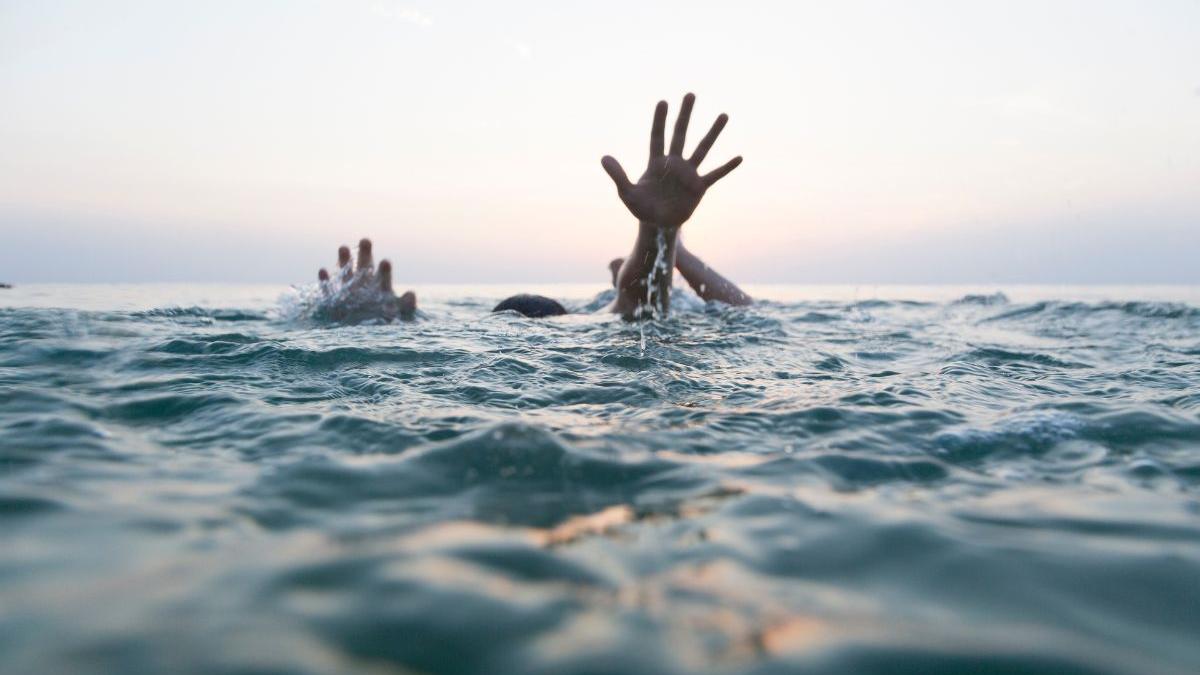
Survivors rescued south of Gran Canaria report drinking seawater to survive a journey that began with 128 people, including women and an infant.

Many of the survivors collapsed or vomited upon reaching land, their bodies broken by severe dehydration and disorientation. They were among 44 men, some underage, from Mali and Senegal who were brought to the port of Arguineguín on Thursday, September 3, 2026, after being rescued from a precarious
vessel drifting in the Atlantic Ocean.
The survivors were the only ones left alive from a group of more than 100 people who had departed from The Gambia. While Spanish authorities recovered five bodies from the boat, migrant rights monitors report a far higher death toll, including the loss of women and an infant.
Related YouTube video
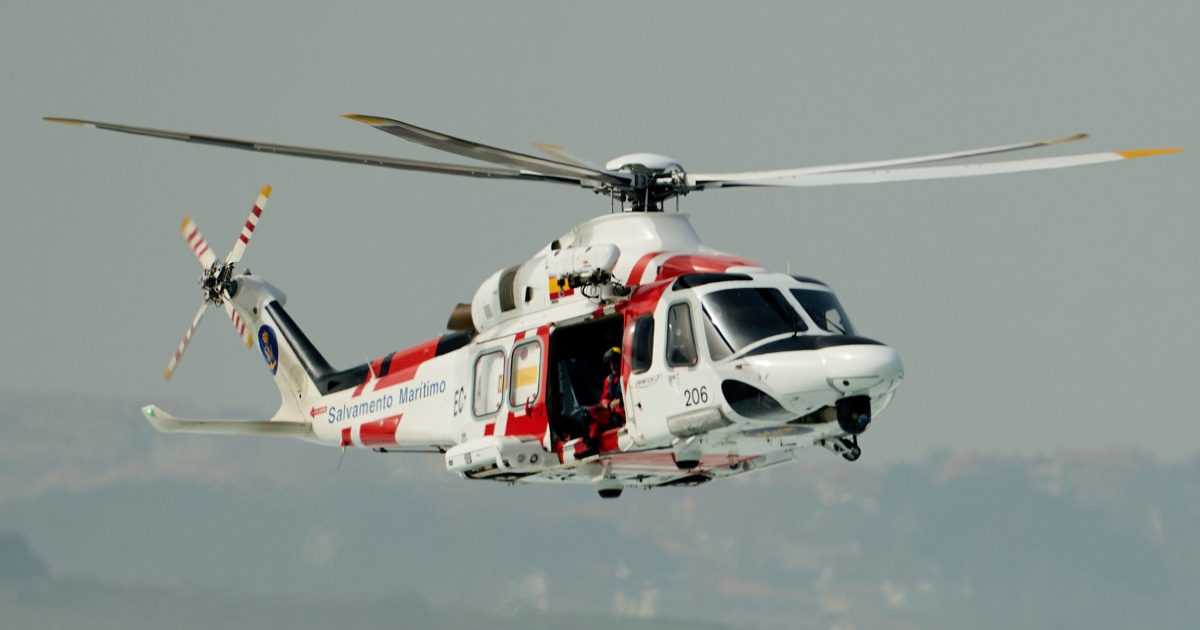

A Spanish Maritime Rescue plane first spotted the vessel on Wednesday afternoon, September 2, 2026, approximately 120 kilometers (74 miles) south of Gran Canaria. Three survivors were immediately airlifted to a hospital, while the remaining 41 were brought ashore by the Guardamar Urania, which reached the boat at approximately 11:05 p.m. Wednesday.
The survivors recounted a voyage defined by starvation and illness. Having run out of provisions, they fell sick after drinking seawater to stay alive. They reported being stranded for many, many days
, with some estimating the journey lasted nearly a month. As companions died, the survivors told the Red Cross they tossed the bodies into the ocean until they no longer had the strength to do so.
There is a stark discrepancy between official recovery numbers and the data gathered by migrant monitors regarding the total loss of life:
- Official Recovery: Spanish authorities found five bodies on board but were unable to retrieve them.
- Monitor Estimates: Helena Maleno, founder of the migrant rights group Walking Borders, reported 83 deaths, including three women and a baby.
The Civil Guard confirmed to Walking Borders that inscriptions on the boat's hull match a vessel that left The Gambia on August 7 carrying 128 people, including four women and a baby. According to Maleno, the boat had been at sea for 27 days.
The West African Atlantic route is noted as one of the deadliest crossings to Europe. The extreme nature of these journeys is illustrated by reports of vessels drifting entirely off course, with some traveling across the Atlantic as far as the Americas.
Despite the lethality of individual trips, overall arrivals via this route have declined. Data from Frontex indicates that those reaching the Canary Islands this year are primarily from Senegal and The Gambia. Arrivals via the West African Atlantic route peaked at 46,843 in 2024 before falling to 17,788 in 2025, a 62 per cent decrease according to figures cited by the Mirror.
This decline is part of a broader trend across Mediterranean routes. In Greece, sea arrivals dropped from 856,723 in 2015 to 41,696 in 2025, while Italy saw a decrease from 153,842 to 66,316 in the same period. In Spain, arrivals via the Western Mediterranean route fell from 57,264 in 2018 to 17,993 in 2025.
The human cost remains high; Caminando Fronteras reports that 3,090 people, including 437 children, died or went missing while attempting to reach Spain in 2025.
In the case of the Gambian vessel, the physical environment continued to obstruct the recovery of the dead. Spain's Maritime Rescue Service stated it could not retrieve the five bodies found inside the boat because of strong winds and waves that reached 2.5 metres (8 feet) in height.
Rescue Operations and Route Trends
The timeline of the rescue began at 6:40 p.m. Island time on Wednesday, when a Spanish Maritime Rescue plane located the vessel. While the Guardamar Urania secured 44 people alive by 11:05 p.m., the immediate medical priority was the three individuals airlifted by helicopter to a hospital on Gran Canaria.
This incident occurred amid a period of volatility on North African routes. According to figures cited by Ceuta mayor Juan Jesús Vivas via the Mirror, at least 100 people died on July 30 and July 31, while approximately 72,000 migrants crossed from Morocco into the Spanish enclave of Ceuta.
Current migration patterns indicate a specific concentration of nationalities using the West African Atlantic route:
- Senegal: More than a quarter of those reaching the Canary Islands this year.
- The Gambia: Approximately one in five of this year's arrivals.
These trends are supported by data from Frontex and official figures cited by the UN Refugee Agency (UNHCR). UNHCR data further indicates that between January 1 and August 15 this year, a total of 14,411 people reached Spain by sea, with 4,808 of those arrivals occurring in the Canary Islands.
The fragility of the survivors hindered immediate investigations. José Antonio Rodríguez Verona, a spokesperson for the Red Cross in the Canaries, told The Associated Press that the men were so disoriented and dehydrated that it was initially difficult to establish a precise account of the journey. The NGO Walking Borders, which often receives information from relatives searching for missing migrants, continues to seek further details on the voyage.
Archypedia is dedicated to independent, evidence-backed reporting. This briefing was synthesized from primary source reporting, corroborated across independent newsrooms, and verified against our Editorial Standards.
Transparency record
Evidence behind this report
This report synthesizes 5 distinct sources. Open the source ledger below to compare the underlying coverage.
Prepared under the Archypedia Editorial Policy by the Samir Haddad editorial desk profile. AI-assisted tools may support drafting and verification; public accountability remains with Archypedia. Report an error.