
Fifa World Cup match sees thousands of empty seats after ticket price controversy – Yahoo Sports
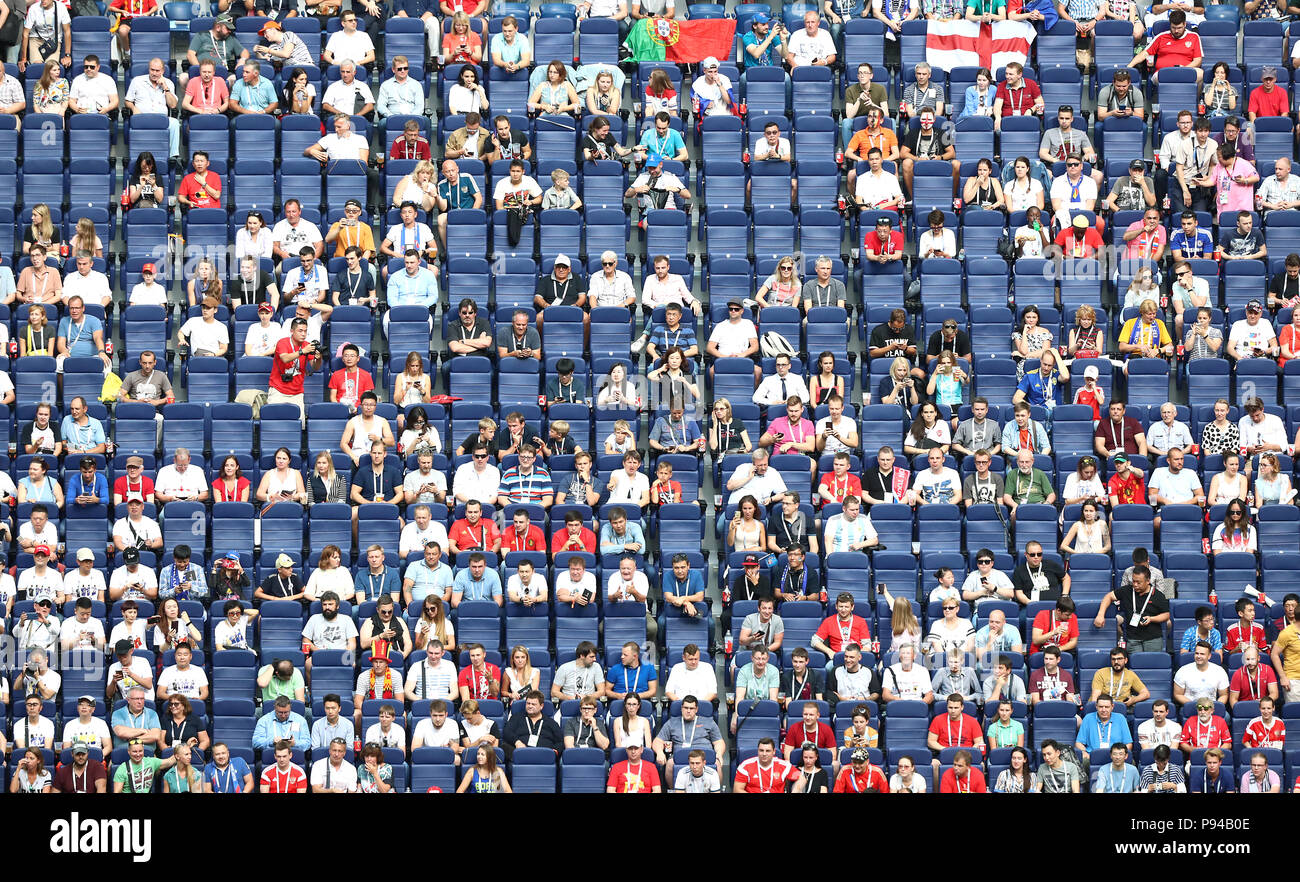
Thousands of seats remained empty during a recent Fifa World Cup match, sparking a global controversy over ticket pricing and accessibility. According to reports from Yahoo Sports and Reuters, the lack of attendance is directly linked to a pricing structure that many fans find prohibitive. Fox Business reports that ticket costs in five U.S. cities have reached levels that exceed average monthly mortgage payments, creating a significant barrier for traditional supporters.
Why were there thousands of empty seats at the World Cup match?
The sight of vacant stands at a premier sporting event has renewed scrutiny of FIFA’s ticketing strategies. According to Reuters, the empty seats serve as a physical manifestation of a growing disconnect between the organization’s pricing models and the financial reality of its fanbase. Yahoo Sports reports that the controversy stems from a combination of high face-value costs and a secondary market that has pushed prices beyond the reach of the average spectator.
Industry analysts suggest that when tickets are priced for maximum profit rather than maximum occupancy, the risk of “ghost” sections increases. This phenomenon occurs when corporate sponsors or high-net-worth individuals purchase large blocks of tickets but fail to fill the seats, or when the general public is priced out of the remaining inventory.
- Price Elasticity: Tickets were priced at a point where demand dropped sharply, leaving supply (seats) unused.
- Corporate Allocation: A significant portion of tickets are often reserved for partners who may not utilize every seat.
- Economic Barriers: The cost of attendance, including travel and lodging, combined with ticket prices, made the event inaccessible.
How high have World Cup ticket prices climbed?
Ticket inflation has reached unprecedented levels for the tournament. A report from Fox Business highlights a stark economic disparity, noting that in five different U.S. cities, the cost of a World Cup ticket has surpassed the average monthly mortgage payment. This indicates that the cost of a single match can outweigh the primary housing expense for a household in those regions.
The pricing surge is not limited to the highest-tier “VIP” experiences. According to the same Fox Business report, even mid-tier seating has seen “eye-popping” increases. This trend reflects a broader shift in sports economics where “premiumization” takes precedence over grassroots accessibility.
| Economic Indicator | Impact on Fans | Source of Data |
|---|---|---|
| Ticket Cost vs. Mortgage | Prices exceed monthly housing costs in 5 US cities | Fox Business |
| Attendance Levels | Thousands of vacant seats in high-profile matches | Yahoo Sports / Reuters |
| Financial Risk | Fans spending thousands without guaranteed entry | KCUR |
What is the current state of ticket availability?
For fans still attempting to secure entry, the process remains volatile. AP News reports that availability is inconsistent, with many official channels showing “sold out” status while secondary markets remain flooded with overpriced options. The struggle to find legitimate tickets has left many supporters in a state of uncertainty as the tournament progresses.
The disparity between official availability and the reality of empty seats suggests a failure in the redistribution of unsold inventory. According to AP News, the current landscape for ticket seekers is defined by a lack of transparency regarding how many tickets are actually available to the general public versus those held for sponsors or “hospitality packages.”
Fans are often forced to choose between:
- Official FIFA Portals: High competition, lottery-based systems, and limited transparency.
- Secondary Marketplaces: Guaranteed availability but at extreme price markups.
- Speculative Listings: Tickets sold by brokers who may not yet possess the actual seat assignment.
Why are fans spending thousands without securing tickets?
The desperation to attend the World Cup has led some fans to take extreme financial risks. KCUR documented the experience of a supporter who spent thousands of dollars in anticipation of seeing their team play, yet still found themselves without a valid ticket. This scenario highlights a systemic failure in the ticketing pipeline, where financial investment does not always guarantee access.
“I spent thousands of dollars to see my team play in the World Cup. I still don’t have tickets.” — Fan account via KCUR.
This situation often arises from the use of third-party intermediaries or “guaranteed” packages that fail to deliver. When official channels are exhausted, fans turn to unregulated sellers. KCUR’s reporting suggests that the lack of a streamlined, affordable official process drives fans into these high-risk financial traps, where they lose significant sums of money with no legal recourse.
The psychological toll of this process is significant. Fans invest not just money, but time and emotional energy into travel arrangements and lodging, only to find that the ticket—the most critical component of the trip—is unavailable or fraudulent.
How does this ticket controversy affect the game’s atmosphere?
The impact of empty seats extends beyond financial loss; it degrades the product on the pitch. According to Reuters, the presence of thousands of empty seats diminishes the atmosphere that defines the World Cup. The “wall of sound” and intense energy provided by passionate fans are replaced by hollow gaps in the crowd, which can be seen in global broadcasts.
Yahoo Sports notes that this creates a paradox: while the tournament generates record-breaking revenue, the actual experience of the match suffers. The absence of the “everyman” fan—the person who would typically fill those seats if the price were reasonable—removes the cultural vibrancy of the event.
This shift in demographics—from passionate supporters to corporate guests or wealthy tourists who may not be as engaged with the sport—changes the dynamic of the stadium. Experts cited in these reports suggest that the atmosphere of a match is a key part of the World Cup’s brand value, and pricing out the core fanbase may cause long-term damage to that brand.
Common Misconceptions About World Cup Ticketing
There is a common belief that empty seats are simply the result of a lack of interest in specific matchups. However, the reporting from Reuters and Yahoo Sports suggests otherwise. The demand for the World Cup remains astronomical; the issue is not a lack of will to attend, but a lack of ability to pay.
Another misconception is that the secondary market is the sole cause of high prices. While scalpers contribute, the “base” price set by the governing body establishes the floor. When the official entry price is already comparable to a mortgage payment, as Fox Business reported, the secondary market simply amplifies an existing problem.
The broader implications for international sports
The Fifa World Cup match sees thousands of empty seats after ticket price controversy – Yahoo Sports reporting serves as a warning for other major sporting events. As leagues and federations move toward “premium” pricing models to maximize short-term revenue, they risk alienating the very people who sustain the sport’s popularity.
The economic pressure on fans is not an isolated incident. The trend of pricing tickets beyond the reach of the middle class is appearing in various global sports, but the scale of the World Cup makes the failure more visible. When thousands of seats remain empty despite global demand, it indicates a market failure where the price has been set too high even for the wealthiest segment of the target audience.
Future tournaments may face increased pressure to implement price caps or more transparent distribution models to avoid the optics of empty stadiums. The contrast between the record profits reported by sporting bodies and the empty seats reported by Reuters creates a narrative of corporate greed that can overshadow the athletic achievements of the players.
For those interested in how this compares to other sporting events, a related explainer on sports ticket inflation may provide further context on the systemic rise of costs across the industry.
Frequently Asked Questions
Why are there empty seats if the World Cup is so popular?
According to reports from Yahoo Sports and Reuters, the empty seats are primarily due to ticket prices that are too high for the general public to afford, combined with corporate blocks of tickets that go unused.
How much do World Cup tickets actually cost?
While prices vary by category, Fox Business reported that in five U.S. cities, ticket prices have hit highs that exceed the average monthly mortgage payment for residents in those areas.

Is it safe to buy World Cup tickets from third-party sellers?
As highlighted by KCUR, buying from unofficial sources carries significant risk. Some fans have spent thousands of dollars and still failed to secure valid tickets, illustrating the dangers of the secondary market.
Who is responsible for setting the ticket prices?
FIFA sets the official face-value prices and manages the initial allocation and lottery systems, though secondary market prices are determined by independent brokers and resellers.
Will ticket prices decrease for future matches?
There is currently no official indication that prices will be lowered. However, the visibility of empty seats, as reported by Reuters, may put pressure on organizers to adjust pricing or redistribution strategies for future events.
