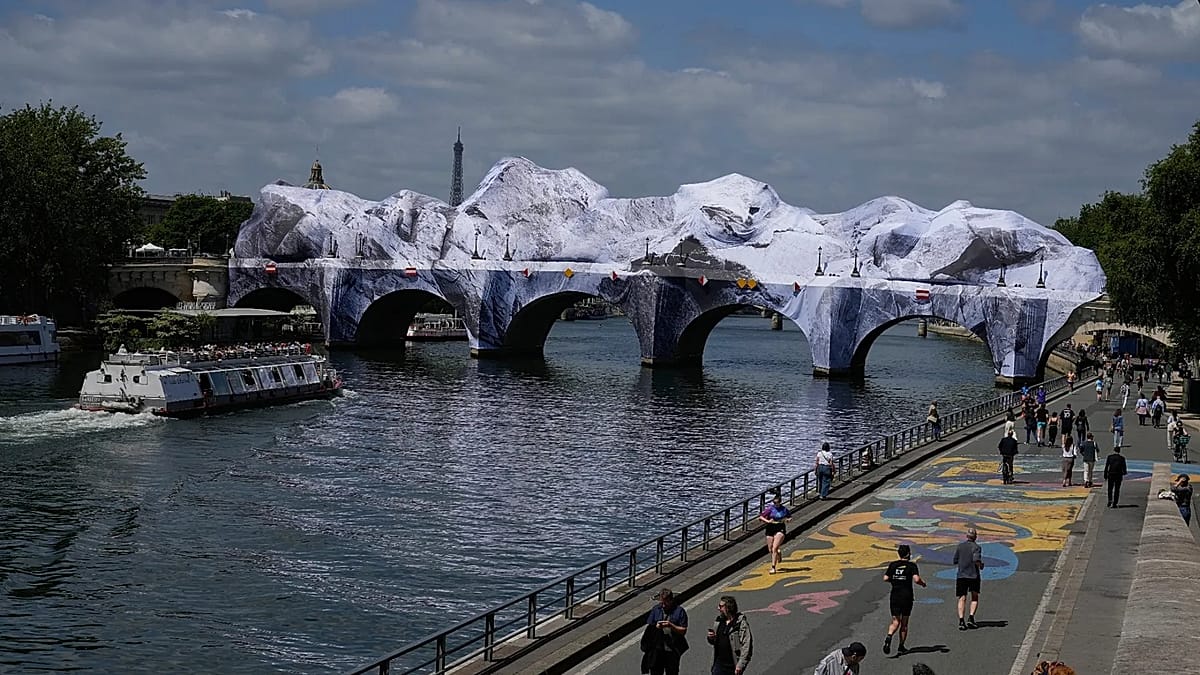
‘La Caverne du Pont-Neuf’ Damaged by Wind, Artwork Opening Postponed: The Intersection of Ambition and Nature in Paris
The streets of Paris are no stranger to avant-garde expressions and architectural marvels, but the latest attempt to redefine the city’s oldest bridge has met an unexpected adversary: the elements. The highly anticipated public art installation, titled ‘La Caverne du Pont-Neuf’, has suffered structural damage due to high winds, leading to the unfortunate news that the ‘La Caverne du Pont-Neuf’ damaged by wind, artwork opening postponed – Euronews.com report has sparked widespread discussion among art enthusiasts and urban planners alike.
Designed by the world-renowned French artist JR, the project aimed to transform the historic Pont-Neuf into a surreal, immersive “cave” using massive inflatable structures. However, the fragility of pneumatic architecture when faced with the unpredictable gusts of the Seine river corridor has forced a temporary halt. This setback highlights the delicate balance between artistic vision and the physical realities of installing large-scale, temporary works in a dense, historic urban environment.
The Incident: When Art Meets Atmospheric Pressure
The installation of ‘La Caverne du Pont-Neuf’ was intended to be a breathtaking transformation of the city’s landscape. By enveloping the oldest remaining bridge in Paris within a giant, inflated shell, JR sought to create a space of introspection and wonder. However, shortly before the scheduled unveiling, severe wind conditions compromised the integrity of the inflatable material.
Inflatable art, by its very nature, acts as a giant sail. When high-velocity winds hit a surface area as large as the one covering the Pont-Neuf, the pressure exerted on the anchoring systems and the fabric itself becomes immense. Reports indicate that the wind caused significant deformation and localized damage to the structure, rendering it unsafe for public entry.
“The ambition of public art often pushes the boundaries of engineering. When we move from the gallery to the street, we are no longer in a controlled environment; we are at the mercy of the climate.”
Because the safety of the public is the primary concern for the City of Paris and the artist’s team, the decision to postpone the opening was immediate. The delay is not merely a matter of aesthetics but a necessity for structural reinforcement and safety audits to ensure that once the “cave” opens, it can withstand the volatile weather patterns typical of the region.
Key Details of the Disruption
- Cause of Damage: High-velocity wind gusts causing structural instability.
- Immediate Impact: Postponement of the official public opening date.
- Current Status: Technical teams are assessing the damage and reinforcing the inflatable anchors.
- Primary Concern: Public safety and the preservation of the historic bridge’s masonry.
Understanding the Vision: Who is JR and What is ‘La Caverne’?
To understand why this delay is such a disappointment to the global art community, one must understand the artist behind the project. JR is not a traditional sculptor or painter; he is a “photograffeur” who uses the city as his canvas. Known for his massive wheat-pasted portraits in favelas, borders, and museums, JR’s work is fundamentally about visibility and the human condition.
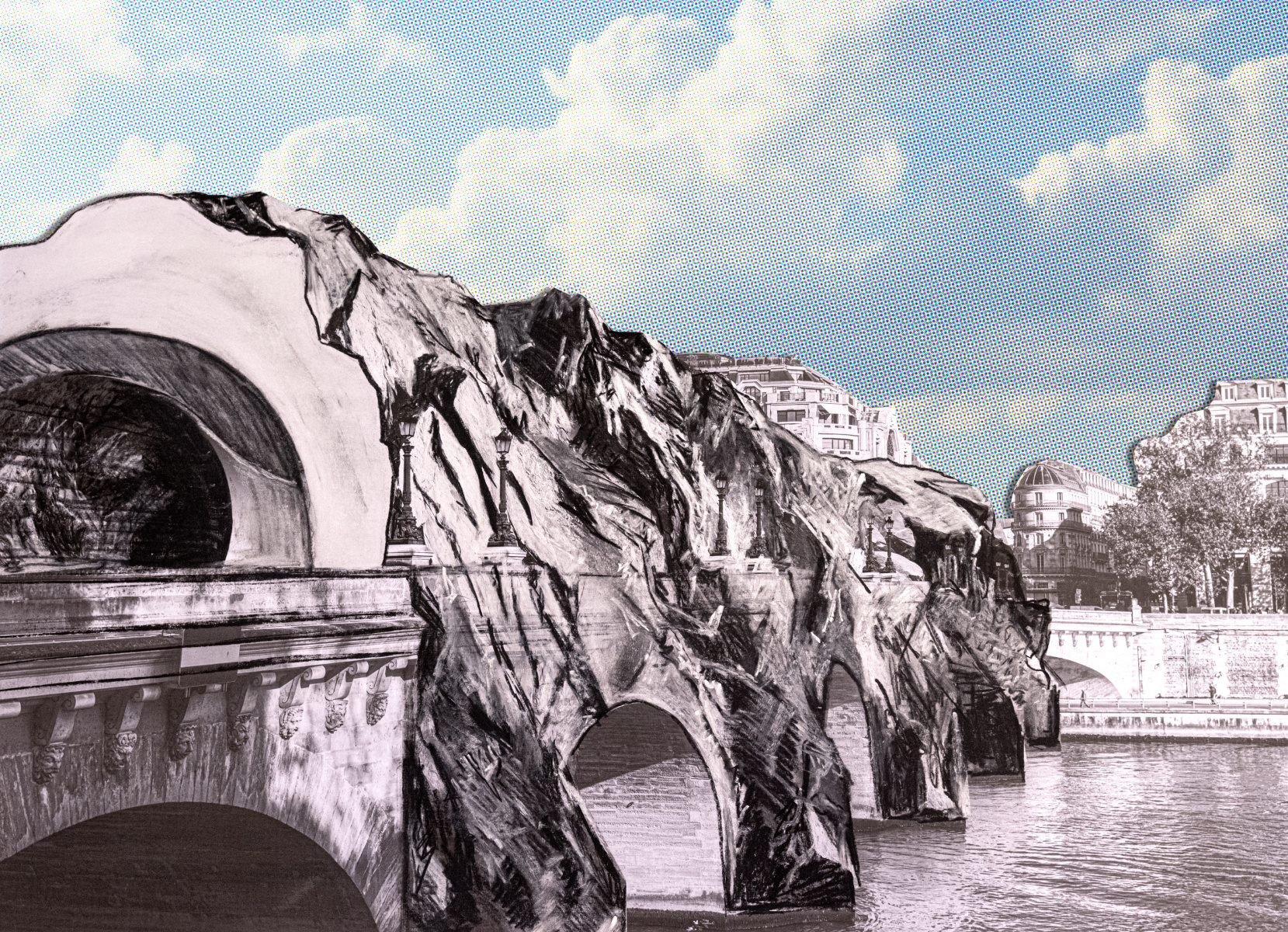
‘La Caverne du Pont-Neuf’ represents a shift in medium—from 2D imagery to 3D immersive space. The concept of the “cave” is a metaphorical return to the origins of human creativity and shelter. By placing this primordial shape over the Pont-Neuf—a symbol of Parisian permanence and royal history—JR creates a juxtaposition between the ancient stone of the bridge and the modern, ephemeral nature of the inflatable plastic.
The installation was designed to allow pedestrians to walk *through* the bridge as if they were entering a subterranean world, altering their perception of the river and the surrounding skyline. This sensory shift is what made the project so anticipated; it wasn’t just something to look at, but something to experience.
The Artist’s Philosophy of Ephemerality
JR has always embraced the temporary. His works are often designed to be weathered away by rain or removed by city cleaners. In this sense, the wind damage to ‘La Caverne’ is almost a poetic extension of his philosophy. However, when a project involves the physical safety of thousands of visitors, the “beauty of decay” must take a backseat to rigorous engineering standards.
The Engineering Challenge of Pneumatic Architecture
The use of inflatables in public art is a growing trend, but it comes with significant technical hurdles. Pneumatic structures rely on a constant internal pressure to maintain their shape and strength. When external forces—like wind—apply uneven pressure to the exterior, the structure can experience “flutter” or severe oscillation.
For ‘La Caverne du Pont-Neuf’, the challenge was magnified by the location. The Seine acts as a natural wind tunnel, channeling air through the city. The Pont-Neuf, being an open bridge, offers no windbreak, leaving the installation fully exposed.
| Feature | Traditional Sculpture | Pneumatic Installation (La Caverne) |
|---|---|---|
| Material | Stone, Bronze, Steel | Industrial-grade PVC/Polyester Fabric |
| Stability | Gravity-based/Fixed | Pressure-based/Tensioned |
| Wind Response | Low impact/Aerodynamic | High impact/Sail effect |
| Installation Time | Months to Years | Days to Weeks |
| Longevity | Permanent | Temporary/Ephemeral |
To resolve the current issues, engineers are likely looking at several solutions:
- Increasing Internal Pressure: Strengthening the “skeleton” of the cave to resist deformation.
- Enhanced Tethering: Using non-invasive but high-strength anchors to secure the fabric to the bridge’s structure without damaging the historic stone.
- Ventilation Valves: Implementing pressure-release valves that allow the structure to “breathe” during extreme gusts, reducing the overall wind load.
The Significance of the Pont-Neuf
The choice of location was not accidental. The Pont-Neuf (literally “New Bridge”) is ironically the oldest standing bridge across the Seine in Paris. Completed in 1607, it was the first bridge in Paris to be built without houses on it, allowing citizens to actually see the river and the city around them.
By selecting this site, JR is engaging in a dialogue with history. The bridge has survived revolutions, wars, and centuries of urban evolution. Wrapping it in a modern, fragile “cave” creates a stark contrast: the timelessness of the stone versus the fleeting nature of the installation. For many, this contrast is the core of the artwork’s meaning.
For those interested in how Paris manages its heritage sites during modern interventions, a related explainer on Parisian urban preservation might provide further context on the strict regulations governing any modification to the city’s historic bridges.
Public Reaction and the Psychology of Anticipation
The news that the ‘La Caverne du Pont-Neuf’ damaged by wind, artwork opening postponed – Euronews.com update had reached the public led to a mixture of disappointment and curiosity. In the age of social media, the “hype cycle” for public art is intense. Timelapses of the installation process had already gone viral, creating a digital expectation that the physical reality now struggles to meet.
However, some critics argue that the delay adds a layer of narrative to the piece. The struggle between the artist’s will and the natural world becomes part of the story. The “failure” of the opening becomes a testament to the vulnerability of human creation.
Common Misconceptions Regarding the Incident
- Misconception: The bridge itself was damaged.
Reality: The damage was limited to the inflatable art installation; the historic masonry of the Pont-Neuf remains intact. - Misconception: The project has been canceled.
Reality: The opening is merely postponed while repairs and safety reinforcements are conducted. - Misconception: The wind was an “unforeseen” event.
Reality: While the exact timing of gusts is unpredictable, wind is a known variable in Paris; the issue lies in the specific interaction between the wind and the installation’s surface area.
Broader Implications for Urban Public Art
The situation at Pont-Neuf serves as a case study for the future of “pop-up” urbanism. As cities increasingly move toward temporary installations to drive tourism and cultural engagement, the risks associated with non-traditional materials become more apparent.
The tension here is between creative freedom and municipal liability. City officials must ensure that an artwork does not become a hazard, while artists want to push the boundaries of what is possible. When these two forces clash—especially when nature intervenes—the result is often a logistical stalemate.
this event highlights the importance of “climatic auditing” for public art. In an era of increasing weather volatility, the standard for “wind-proofing” temporary structures must be elevated. We are seeing a shift where artists must work more closely with structural engineers from the conceptual phase, rather than treating engineering as a final step to “make it work.”
Comparing ‘La Caverne’ to Other Large-Scale Installations
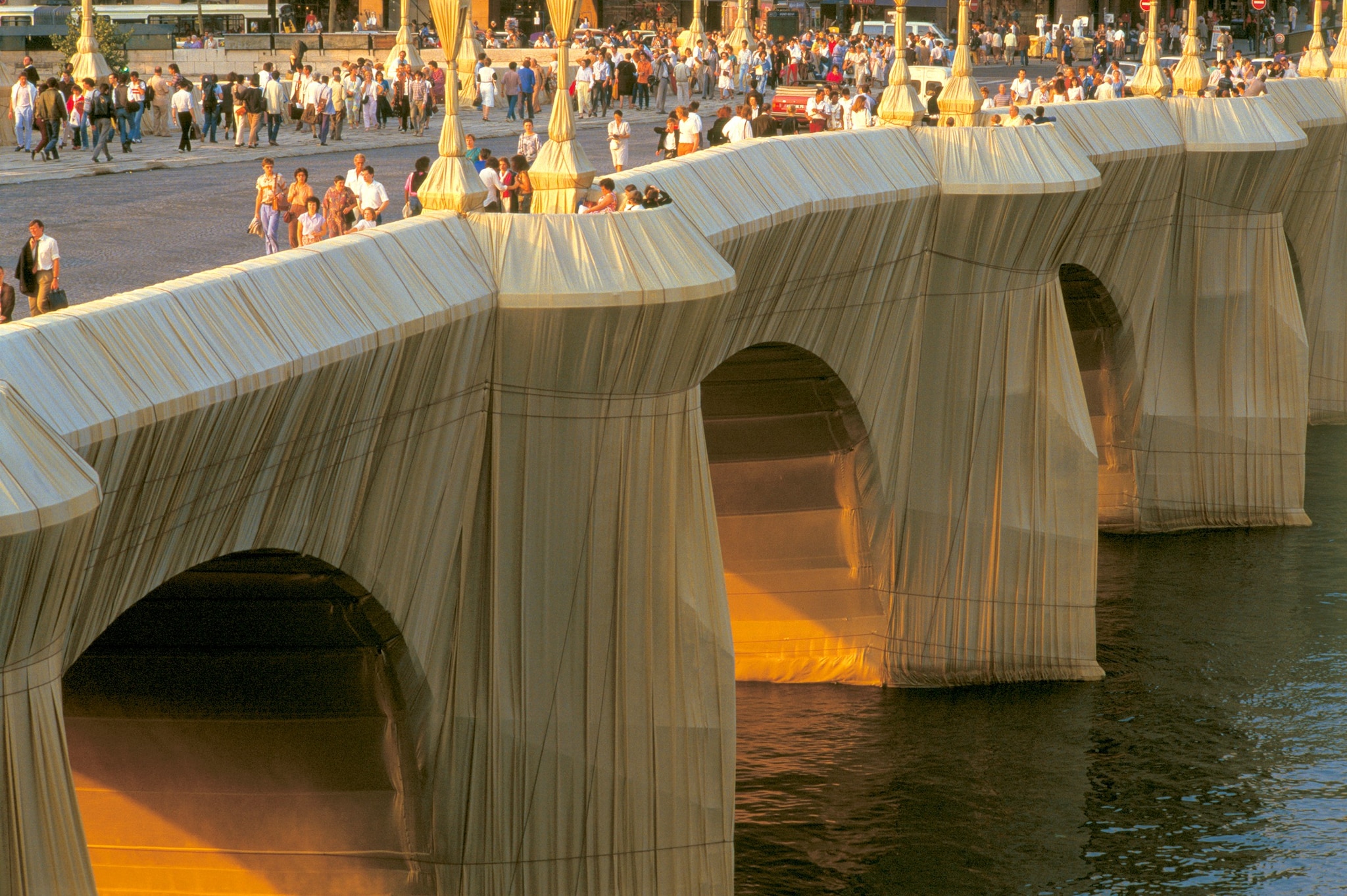
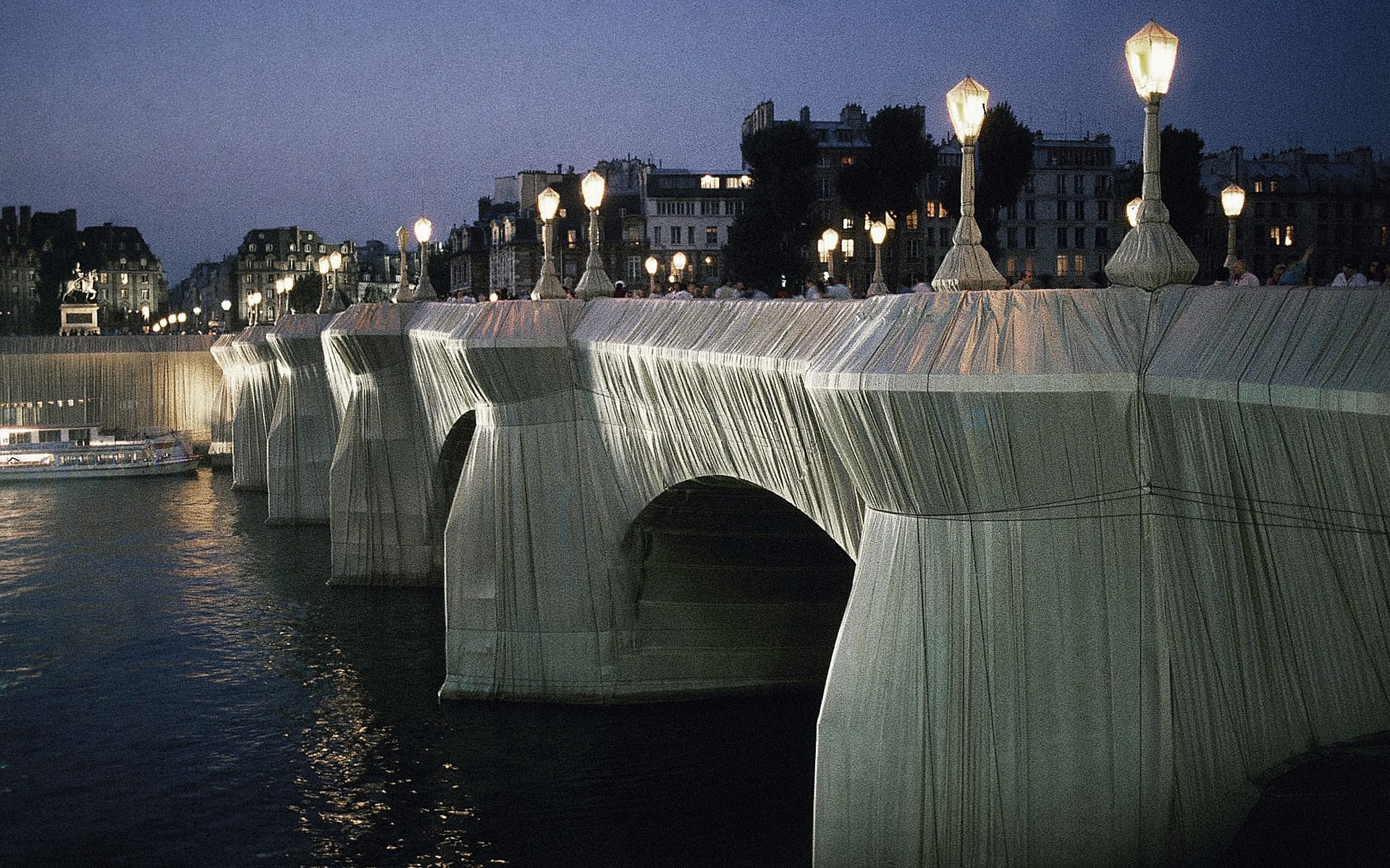
To put this event in perspective, One can look at other massive public works that faced similar challenges. Christo and Jeanne-Claude, the pioneers of wrapping landmarks (such as the Reichstag or the Pont Neuf itself in 1985), spent years in legal and engineering battles before a single piece of fabric was deployed. Their approach was one of extreme precision and permanence in the planning of the temporary.
JR’s approach is often more spontaneous and agile. While this agility allows for rapid response to social issues, it can lead to the types of technical setbacks seen with ‘La Caverne’. The contrast between the “institutional” approach of Christo and the “guerrilla” approach of JR reflects the evolution of public art over the last four decades.
Key Takeaways from the Pont-Neuf Setback
- Nature is an Unpredictable Collaborator: No matter how advanced the material, atmospheric conditions can override artistic intent.
- Safety Over Spectacle: The decision to postpone demonstrates a responsible approach to public urban spaces.
- The Value of the Ephemeral: The struggle to maintain the installation adds to its conceptual value as a piece of temporary art.
Frequently Asked Questions
Why was the opening of ‘La Caverne du Pont-Neuf’ postponed?
The opening was delayed because high winds caused structural damage to the inflatable “cave” installation. For the safety of the visitors and to protect the historic Pont-Neuf bridge, the organizers decided to postpone the event until the structure could be reinforced and safety-checked.

Is the Pont-Neuf bridge itself damaged?
No. The damage was confined to the inflatable art installation created by JR. The stone structure of the bridge, which is the oldest in Paris, remains undamaged and secure.
Who is the artist behind ‘La Caverne du Pont-Neuf’?
The installation is the work of JR, a world-famous French artist known for his large-scale public photography and installations that often focus on humanizing marginalized communities and transforming urban spaces.
When will ‘La Caverne du Pont-Neuf’ finally open to the public?
A specific new date has not been finalized, as the team is currently assessing the extent of the wind damage and implementing necessary structural reinforcements. Updates are typically provided via official city channels and the artist’s representatives.
What exactly is ‘La Caverne du Pont-Neuf’?
It’s an immersive art installation that uses a giant inflatable structure to turn the Pont-Neuf bridge into a metaphorical “cave,” allowing pedestrians to experience the historic site from a completely new, surreal perspective.
As Paris continues to prepare for a year of high-profile events and tourist influxes, the resolution of the ‘La Caverne’ project will be closely watched. It stands as a reminder that while art can attempt to reshape our world, it must always exist in harmony with the physical laws of the environment. The anticipation for the eventual opening only grows, as the public now awaits not just a piece of art, but a victory of human ingenuity over the wind.
