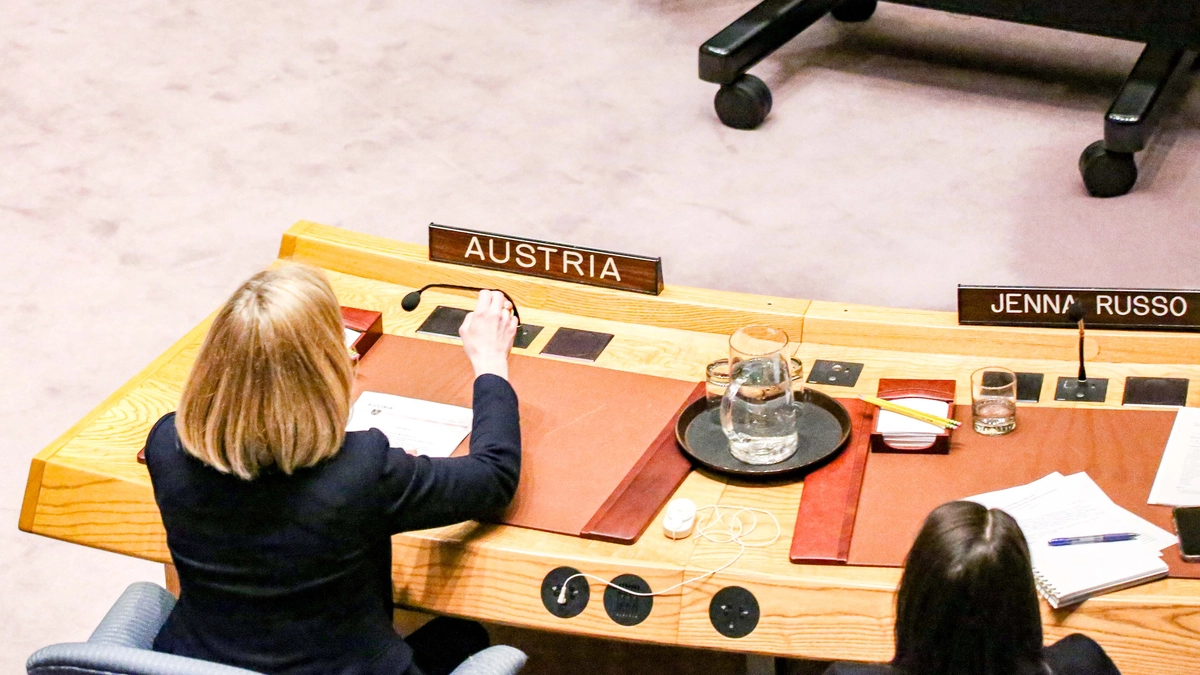
A diplomatic rivalry has emerged between two European neighbors as Austria seeks to outmaneuver Germany in a bid for a seat on the United Nations Security Council. Positioning itself as a neutral mediator capable of bridging deep international divides, Vienna is challenging Berlin’s influence on the global stage.
Fast Facts
- The Objective: A non-permanent seat on the UN Security Council.
- The Contenders: Austria and Germany.
- Austria’s Strategy: Leveraging its history of neutrality to act as a global mediator.
- The Voting Threshold: German candidate Wadephul requires 128 votes to secure the position over Austria.
The Strategy of Neutrality
Austria is campaigning on the premise that its diplomatic tradition makes it an ideal candidate for the Security Council. By presenting itself as a neutral actor, Vienna aims to serve as a mediator in an increasingly polarized geopolitical environment. This approach, described by some observers as a quest to become a central hub of diplomacy, is designed to appeal to UN member states seeking a balanced voice in the council’s deliberations.

The Electoral Battle
The competition has moved into a critical phase where specific vote counts are determining the outcome. Germany, represented in this effort by Wadephul, faces a narrow path to victory. According to reports on the diplomatic race, Wadephul needs to secure 128 votes in the final stretch to defeat the Austrian bid.
The struggle for the seat is more than a formality; it represents a contest for prestige and the ability to shape international security policy. While Germany often leverages its economic weight and leadership within the European Union, Austria is betting that its identity as a non-aligned facilitator will resonate more strongly with the broader UN General Assembly.
The Stakes of the Security Council
The contest takes place against a backdrop of ongoing debate regarding the efficacy of the UN Security Council itself. Critics and analysts frequently question whether the body functions as a true world government
capable of enforcing peace or if it has become a toothless tiger
hampered by the veto powers of its permanent members.
Despite these systemic criticisms, the desire to hold a seat remains high. Membership allows a country to participate directly in decisions regarding international sanctions, peacekeeping missions, and the legal authorization of military interventions.
Next Steps in the Diplomatic Race
The outcome now rests on the final tally of member state votes. The diplomatic missions of both Austria and Germany are expected to intensify their lobbying efforts as the deadline for the decision approaches, with the final result determining which European power will hold the gavel in New York.
