
The Grass Stoops Not: Five Storylines Ahead of the Wimbledon Fortnight – Cincinnati Open
Eighteen British players are confirmed for the upcoming Wimbledon championships, with Emma Raducanu and Jack Draper emerging as the primary hopes for a home title, according to reports from Reuters and Yahoo Sports. This surge in British talent coincides with a critical transition for the professional tour as players move from the grass of London toward the hard courts of the Cincinnati Open.
How Emma Raducanu and Jack Draper are Shaping British Wimbledon Hopes
Emma Raducanu and Jack Draper have emerged as the focal points of British tennis heading into the grass court season. According to Reuters, Raducanu’s recent form suggests a resurgent trajectory, positioning her as a central figure in the UK’s quest for a women’s singles title. Her return to competitiveness follows a period of injury and fluctuating results, but current data indicates a regain of the baseline aggression that defined her 2021 US Open victory.
Simultaneously, Jack Draper has gained significant momentum, bolstered by the public and professional backing of Andy Murray. Reuters reports that Murray’s mentorship and support have been instrumental in Draper’s development. Draper’s game, characterized by a powerful serve and aggressive court coverage, is specifically suited for the low-bounce environment of grass courts.
The pressure on both players is compounded by the expectations of the home crowd. While Raducanu carries the weight of her historic breakthrough, Draper represents the next generation of British male tennis. The intersection of these two careers creates a narrative of renewal for the Lawn Tennis Association (LTA) as they seek to capitalize on this window of peak performance.
- Raducanu’s Focus: Regaining consistency and stamina during five-set threats.
- Draper’s Edge: Leveraging Murray-backed tactical adjustments for grass.
- LTA Objective: Maximizing the presence of top-seeded British players in the second week.
What to Know About the 18 British Players Confirmed for Wimbledon
A total of 18 British players have been confirmed for the Wimbledon draw, according to Yahoo Sports. This number represents a significant contingent of home-grown talent, reflecting a broader effort to increase the depth of the British game across both the ATP and WTA tours.

The presence of 18 players provides the LTA with a wider safety net, ensuring that British interests are represented across various seeds and qualifying brackets. Yahoo Sports notes that while the spotlight remains on the top-tier stars, the success of the lower-ranked British players in the early rounds is critical for maintaining national momentum throughout the fortnight.
The distribution of these players across the draws suggests a strategic push to qualify more athletes for the main draw rather than relying on a few wildcards. This shift indicates a rise in the actual rankings of British players, reducing the reliance on tournament invitations and increasing the legitimacy of their placements.
| Category | Detail | Source |
|---|---|---|
| Total British Players | 18 Confirmed | Yahoo Sports |
| Primary Male Hope | Jack Draper | Reuters |
| Primary Female Hope | Emma Raducanu | Reuters |
| Key Influence | Andy Murray (Mentorship) | Reuters |
Why Laver Cup Dynamics Influence the Transition to Grass
The transition from team-based competition to individual glory is a primary storyline for several top players. According to the Laver Cup, athletes who served as teammates in the London-based event are now shifting their focus to the individual rivalry of the grass court season.
The Laver Cup fosters a unique environment where rivals from the ATP tour collaborate as teammates for Team Europe or Team World. However, as these players “dive onto grass,” the camaraderie of the team event is replaced by the singular pursuit of the Wimbledon trophy. This psychological shift is abrupt, moving from a supportive team structure to the isolated pressure of a Grand Slam.
The tension is particularly high among those who shared a locker room during the Laver Cup but are now slated to face each other in the early rounds of the grass season. The knowledge gained about an opponent’s current form and mental state during team practices can provide a subtle tactical advantage once the individual competition begins.
“The shift from the collaborative spirit of the Laver Cup to the solitary nature of a Grand Slam requires a complete mental reset for the players involved.” — Analysis based on Laver Cup event transitions.
Three Questions Facing the 2026 Women’s Tennis Grass Court Season
While current focus remains on the immediate fortnight, The IX Sports is already analyzing the trajectory of the women’s game leading into 2026. The outlet raises three critical questions regarding the sustainability and evolution of the women’s grass court season.
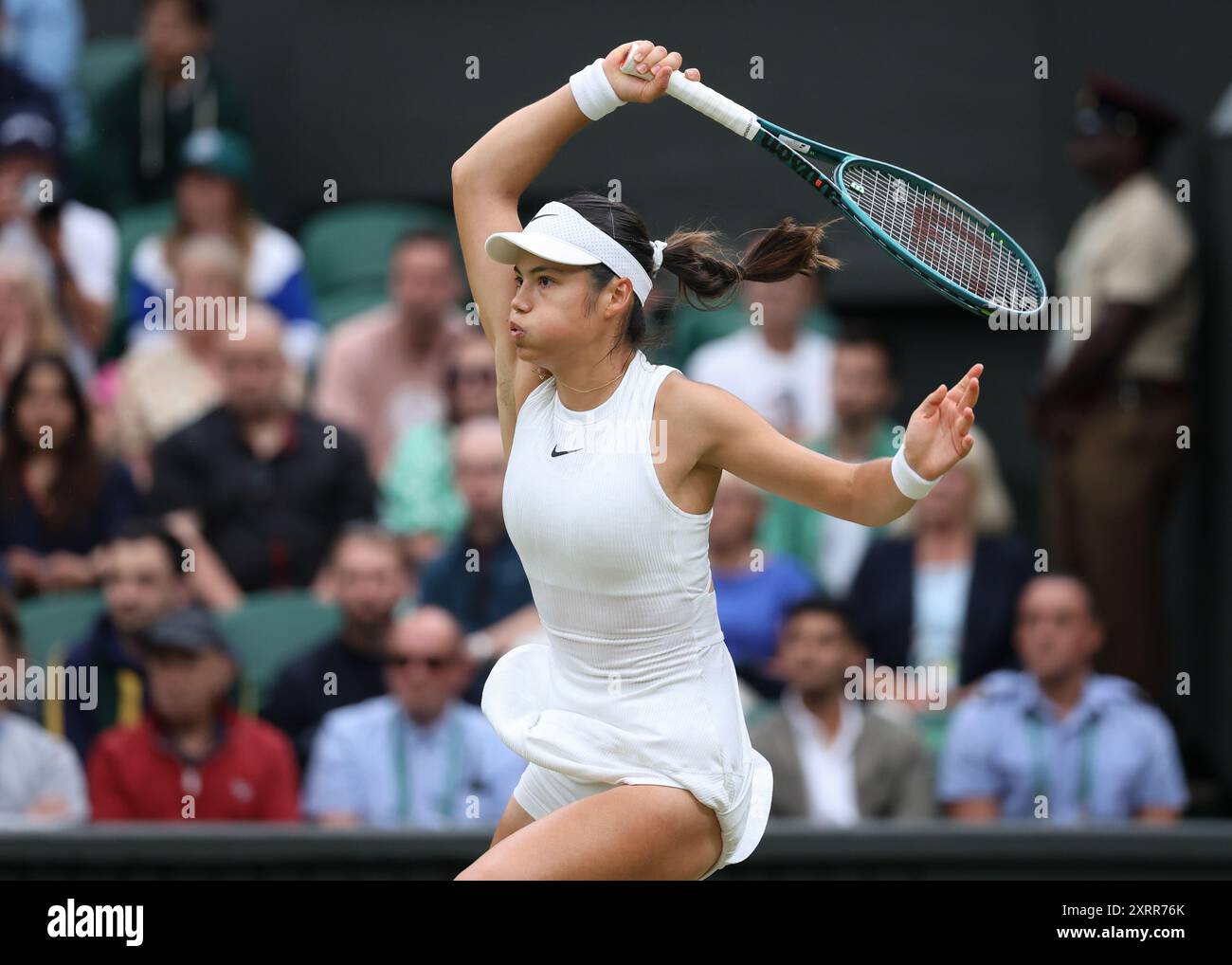
First, the question of surface specialization. The IX Sports examines whether the modern women’s game is moving away from “grass court specialists” in favor of all-court players who can transition seamlessly from clay to grass. This shift could potentially diminish the unique tactical requirements of the Wimbledon fortnight, making the tournament more predictable based on hard-court rankings.
Second, the impact of scheduling. The IX Sports questions if the current window for grass-court preparation is sufficient for athletes to avoid injury while adapting to the most physically demanding surface. The transition from the sliding movements of clay to the abrupt stops and starts of grass creates a high risk for ankle and knee injuries.
Third, the emergence of new power-hitters. The outlet questions how the increasing average serve speed in the women’s game will alter the dynamics of grass, where a dominant serve is historically the greatest weapon. If the women’s game continues to trend toward high-velocity serves, the traditional “cat-and-mouse” style of grass tennis may disappear by 2026.
These inquiries suggest that the current Wimbledon season is not just a standalone event but a data point in a larger evolution of how the WTA approaches the grass swing.
The Road from Wimbledon to the Cincinnati Open
The transition from the grass of London to the hard courts of the Cincinnati Open represents one of the most jarring shifts in the tennis calendar. Players must move from a surface that rewards low slices and net rushing to one that favors high-bounce baseline exchanges and extreme lateral movement.
The “Wimbledon Fortnight” serves as a peak of intensity, but for many, the Cincinnati Open is where the real preparation for the US Open begins. The hard courts of Cincinnati are known for being fast, but they lack the unpredictability of grass. Players who perform well at Wimbledon often struggle in Cincinnati if they cannot quickly recalibrate their timing and footwork.
For the British contingent, including Raducanu and Draper, the Cincinnati Open will be a test of their endurance. The travel from the UK to the United States, combined with the surface change, often leads to a dip in performance for players who over-extend themselves during the grass season. The ability to maintain a high level of play across these two disparate environments is what separates the top ten players from the rest of the field.
Related explainer on the physics of grass vs. hard court tennis.
Common Misconceptions About the Grass Court Season
A frequent oversimplification is that grass is simply “faster” than other surfaces. In reality, grass is more accurately described as having a “lower bounce.” According to technical analysis of the game, the ball does not necessarily travel faster through the air, but it skids off the surface, forcing players to bend their knees lower and hit the ball earlier than they would on clay or hard courts.
Another misconception is that the Laver Cup is a distraction from Grand Slam preparation. On the contrary, the high-intensity matches and the ability to practice with world-class opponents in a low-stress team environment can serve as a high-level warm-up. The competitive nature of the Laver Cup ensures that players are match-tough before they hit the grass.
Finally, there is a belief that a large number of national players—such as the 18 British players confirmed by Yahoo Sports—guarantees a deep run. However, tennis is an individual sport; the quantity of players in a draw does not correlate with the quality of the result. The success of the British campaign depends on the individual form of Raducanu and Draper rather than the total volume of confirmed entries.
Frequently Asked Questions
Who are the top British hopes for the upcoming Wimbledon?
According to Reuters, Emma Raducanu and Jack Draper are the primary British hopes. Raducanu is seeing a resurgence in form, while Draper has received significant backing and mentorship from Andy Murray.
How many British players are confirmed for the tournament?
Yahoo Sports reports that 18 British players have been confirmed for the Wimbledon draw.

How does the Laver Cup relate to the grass court season?
The Laver Cup involves players who are teammates in a team format but become rivals again as they transition to the individual competition of the grass court season, including Wimbledon.
What is the significance of the Cincinnati Open in this timeline?
The Cincinnati Open follows the grass season and serves as a critical hard-court lead-up to the US Open, requiring players to rapidly adapt their game from the low-bounce grass to high-bounce hard courts.
What long-term concerns are there for the women’s grass season?
The IX Sports has raised questions regarding the 2026 season, specifically focusing on the decline of surface specialists, the risks of injury during the clay-to-grass transition, and the impact of increasing serve speeds in the women’s game.
