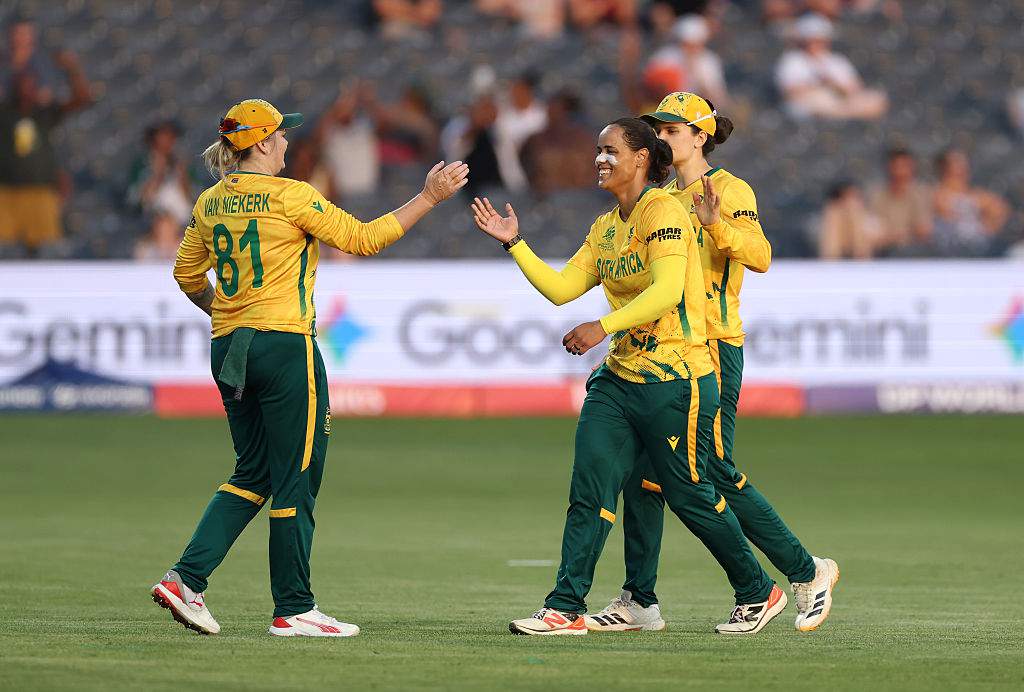
LIVE | Netherlands win toss, send Proteas to bat first in Bristol World Cup clash – News24
The Netherlands won the toss and elected to field first against South Africa in their ICC Women’s T20 World Cup 2026 encounter in Bristol, according to the ICC. This decision forces the Proteas to set the pace of the match and establish a competitive total under immediate pressure.
Why did the Netherlands choose to field first in Bristol?
The Netherlands captain opted to bowl first to leverage early conditions in Bristol and put the South African batting order under pressure from the first ball. According to official ICC updates, the decision to field first is a tactical move often used in T20 cricket to chase a known target, allowing the bowling side to adjust their strategy based on the score established by the opposition.
By sending the Proteas in to bat, the Netherlands aim to restrict South Africa to a below-par total. This strategy shifts the psychological burden to the batters, who must now navigate the early overs without the benefit of knowing what score they are chasing. In a tournament as high-stakes as the ICC Women’s T20 World Cup 2026, controlling the tempo of the game through the toss is a critical component of match management.
Key tactical factors influencing this decision include:
- Condition Assessment: The Netherlands likely viewed the Bristol pitch as one that might offer early assistance to bowlers.
- Chase Preference: Many T20 teams prefer the clarity of a run chase, provided they can keep the opposition’s score manageable.
- Pressure Application: Forcing a team that has faced recent criticism regarding its batting form to start the game can lead to early collapses.
What are the expectations for the Proteas Women’s batting lineup?
The South African batting unit enters this Bristol clash under significant scrutiny. According to reports from SA Cricket Mag, there are urgent demands for the Proteas Women’s batters to produce more consistent and impactful results. The pressure is not just to score runs, but to do so with a specific intent that matches the demands of the shortest format of the game.
This sentiment is echoed by Mashimbyi, who has called for a shift in approach. As reported by The Citizen, Mashimbyi is demanding an “aggressive” and “energetic” performance from the South African side in Bristol. The critique suggests that previous performances may have lacked the necessary urgency or risk-taking required to dominate T20 matches.
“Mashimbyi calls for aggressive, energetic performance from Proteas in Bristol,” according to The Citizen.
The Proteas’ batters now face the challenge of balancing this requested aggression with the need for stability. If they play too conservatively, they risk falling behind the required run rate; if they are overly aggressive without discipline, they risk a collapse that could hand the Netherlands an easy victory.
Comparing Performance Demands vs. Team Outlook
There is a visible contrast between the external demands placed on the team and the internal confidence expressed by the players. The following table outlines these differing perspectives based on reports from The Citizen and SA Cricket Mag.

| Perspective Source | Key Demand/Outlook | Core Objective |
|---|---|---|
| Mashimbyi (via SA Cricket Mag/The Citizen) | Increased aggression and energy | Higher batting strike rates and proactive play |
| De Klerk (via The Citizen) | Strategic peaking | Reaching maximum form at the critical stage of the tournament |
How is South Africa preparing for the 2026 World Cup peak?
While critics demand immediate results, the players are focusing on a longer trajectory of performance. Marizanne Kapp’s teammate, De Klerk, indicated that the team’s current form is part of a larger plan. According to The Citizen, De Klerk stated, “We’ll peak at the right time,” suggesting that the Proteas are managing their intensity to ensure they are at their best during the knockout stages of the ICC Women’s T20 World Cup 2026.
This “peaking” strategy is common in major tournaments where athletes avoid burnout by gradually increasing their performance levels. However, this approach often clashes with the expectations of fans and analysts who want to see dominant displays in every group-stage match. For the Proteas, the Bristol match serves as a vital test of whether they can balance this gradual build-up with the immediate need for “energetic” cricket.
The team’s preparation involves several key pillars:
- Mental Conditioning: Handling the pressure of being favorites against the Netherlands.
- Technical Adjustments: Refining batting aggression to satisfy the demands for more explosive play.
- Physical Load Management: Ensuring key players are not fatigued before the final stages of the competition.
For more on team strategies, see a related explainer on T20 tournament peaking cycles.
What role does the Bristol venue play in this clash?
The choice of Bristol as a host city for this World Cup clash adds a layer of environmental complexity. English pitches in T20 cricket are often characterized by their ability to offer swing early on, which supports the Netherlands’ decision to bowl first. The atmosphere in Bristol, known for its passionate cricket following, also adds a psychological element to the game.
For the South African batters, the Bristol conditions will test their ability to handle the new ball. If the Netherlands can find early breakthroughs, the Proteas’ middle order will be forced to rebuild under pressure, potentially hindering the “aggressive” start that Mashimbyi has called for. Conversely, if the Proteas can weather the initial storm, the pitch may flatten out, allowing them to post a formidable total.
The interaction between the venue and the toss result creates a specific narrative for this match: it is a battle of attrition in the first six overs, followed by a test of endurance in the chase.
Implications of the Netherlands’ decision on tournament standings
The result of this match has significant implications for the group standings of the 2026 Women’s T20 World Cup. For the Netherlands, a victory over a powerhouse like South Africa would be a major upset and a massive boost to their confidence and ranking. It would signal their growth as a competitive force in the women’s game.
For South Africa, a loss would amplify the criticisms regarding their batting consistency. According to the framework of the tournament, every point in the group stage is vital for securing a favorable seed in the semi-finals. A failure in Bristol could force the Proteas into a high-pressure must-win scenario in their subsequent matches, potentially disrupting the “peaking” process mentioned by De Klerk.
The match serves as a litmus test for the Proteas’ resilience. The ability to respond to a disadvantageous toss and deliver the “aggressive” cricket demanded by analysts will determine if they are truly on track to peak at the right moment.
Key Points for the Match
- Toss Result: Netherlands won; elected to bowl.
- Pressure Point: South African batting unit must set a target under early scrutiny.
- Critical Quote: De Klerk claims the team will “peak at the right time.”
- External Demand: Mashimbyi calls for more energy and aggression from the Proteas.
Addressing common misconceptions about T20 toss decisions
There is a common belief among casual viewers that winning the toss and batting first is always the preferred option to “set the tone.” However, in modern T20 cricket, the trend has shifted. According to tactical analysis of recent ICC events, fielding first is increasingly popular because it removes the guesswork from the second innings.
In the case of the Netherlands vs. South Africa match, choosing to field is not necessarily a sign of weakness or a lack of confidence in their own batting. Instead, it is a calculated risk. By knowing exactly how many runs are required, the Netherlands can manage their resources—such as their best bowlers and finishers—with mathematical precision.
Another misconception is that a team “peaking” later in the tournament can afford slow starts. While De Klerk’s comments suggest a strategic build-up, the reality of World Cup group stages is that a slow start can lead to early elimination. The Proteas must find a middle ground between strategic pacing and the competitive necessity of winning now.
For a deeper look at how toss decisions impact win percentages, check out our analysis of T20 World Cup toss statistics.
Frequently Asked Questions
Who won the toss in the Netherlands vs South Africa Bristol match?
The Netherlands won the toss and elected to field first, according to the ICC.
Why is there criticism of the Proteas Women’s batting?
As reported by SA Cricket Mag and The Citizen, analysts like Mashimbyi have demanded more aggression and energy from the batters, suggesting their current performances lack the necessary intensity for T20 cricket.

What did De Klerk say about the team’s form?
According to The Citizen, De Klerk stated that the team is managing its performance levels and will “peak at the right time” during the tournament.
Where is this World Cup clash taking place?
The match is being held in Bristol as part of the ICC Women’s T20 World Cup 2026.
What is the significance of the Netherlands’ decision to bowl first?
It puts the Proteas under immediate pressure to set a total and allows the Netherlands to chase a specific target, a common tactical preference in modern T20 cricket.
The match now moves into the playing phase, with all eyes on the South African opening partnership to see if they can deliver the aggressive start demanded by their critics while adhering to the team’s long-term strategic plan.
