Con Dao Emerges as a Global Beacon for Sustainable Island Travel
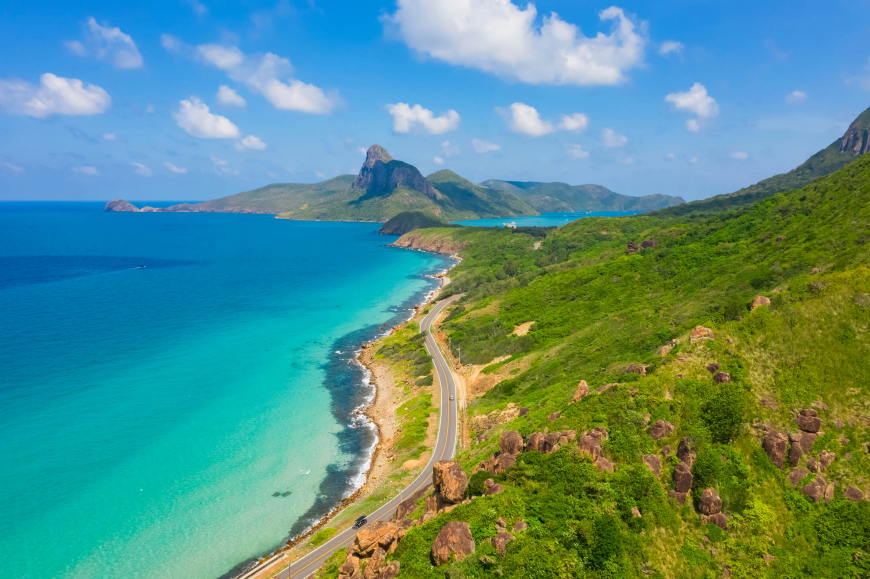
Con Dao, a secluded Vietnamese archipelago, has recently captured the attention of global travel publications, positioning itself as a pioneer in sustainable and authentic island tourism. According to recent reports, the island’s commitment to environmental preservation and cultural integrity has placed it among the world’s top hidden destinations, drawing interest from eco-conscious travelers and industry experts alike.
The Rise of Con Dao on the Global Travel Scene
Con Dao’s ascent to international recognition began with its inclusion in a 2023 ranking of the world’s most secluded and untouched island destinations by a prominent U.S. travel magazine. The publication highlighted the archipelago’s pristine ecosystems, minimal human impact, and efforts to balance tourism with conservation. This designation followed a series of initiatives by local and national authorities to promote Con Dao as a model for sustainable travel.
According to a 2023 report by the Vietnam National University’s Center for Tourism Studies, Con Dao’s visitor numbers have increased by 25% over the past two years, driven by demand for eco-tourism and adventure travel. The report attributes this growth to improved accessibility via regular ferry services and a growing awareness of the island’s unique offerings.
Key Milestones in Con Dao’s Tourism Development
- 2018: Con Dao was designated a UNESCO Biosphere Reserve, recognizing its biodiversity and conservation efforts.
- 2021: The Vietnamese government launched a $15 million initiative to upgrade infrastructure while maintaining environmental safeguards.
- 2023: The island received a 4.8/5 rating on global travel platforms for its sustainability practices and visitor experiences.
Sustainable Practices and Conservation Efforts
Con Dao’s reputation as a sustainable destination is rooted in its extensive marine conservation projects and strict tourism regulations. The archipelago is home to over 300 species of fish and 150 types of coral, many of which are protected under the Con Dao National Park. Local authorities enforce a “no plastic” policy on the islands, with all waste processed on the mainland to prevent pollution.
A 2022 study by the International Union for Conservation of Nature (IUCN) found that Con Dao’s coral reefs have shown a 12% recovery rate since the implementation of marine protected areas. The study also noted that the island’s mangrove forests, which act as natural barriers against coastal erosion, have expanded by 8% in the past decade.
Community-Led Tourism Initiatives
Local communities play a central role in Con Dao’s tourism model. Homestays and guided tours are operated by residents, ensuring that revenue stays within the island. For example, the Con Dao Cultural Village project, launched in 2020, trains locals in hospitality and traditional crafts, offering visitors immersive experiences in indigenous practices.
“Our goal is to preserve our heritage while sharing it with the world,” said Nguyen Thi Minh, a local tour guide. “Every visitor leaves with a deeper understanding of our way of life.”
Cultural Preservation and Authentic Experiences
Beyond its natural attractions, Con Dao is celebrated for its rich cultural history. The island was once a French colonial prison, and its historic sites have been preserved as museums. Visitors can explore the Con Dao Prison Complex, a UNESCO World Heritage Site, which offers insights into Vietnam’s struggle for independence.
Local festivals, such as the annual Con Dao Cultural Festival, showcase traditional music, dance, and cuisine. These events are designed to educate tourists while supporting local artisans. For instance, the island’s famous “Con Dao Rice Paper” is still handcrafted using techniques passed down through generations.
Challenges in Balancing Tourism and Preservation
Despite its successes, Con Dao faces challenges in maintaining its sustainability goals. A 2023 report by the Vietnam Tourism Association warned that increased visitor numbers could strain the island’s resources if not managed carefully. The report recommended limiting daily visitors to 1,500 and expanding educational programs for tourists.
Additionally, the island’s reliance on seasonal tourism raises concerns about economic stability. “We need to diversify our offerings to reduce dependence on peak travel periods,” said Dr. Le Van Thanh, a tourism economist. “This includes promoting off-season activities like birdwatching and cultural workshops.”
Global Recognition and Future Prospects
Con Dao’s inclusion in international rankings has sparked interest from travel agencies and conservation groups. Major global tour operators, including Intrepid Travel and G Adventures, have begun offering specialized itineraries to the island, emphasizing low-impact travel and community engagement.
The island’s future hinges on its ability to scale its sustainable practices without compromising its ecological and cultural integrity. Plans are underway to introduce a digital booking system that tracks visitor numbers in real time, ensuring compliance with conservation guidelines. Additionally, partnerships with international NGOs are being explored to fund further research and infrastructure upgrades.
FAQ: Common Questions About Con Dao’s Sustainable Tourism Model
What makes Con Dao unique compared to other island destinations?
Con Dao stands out for its combination of untouched natural landscapes, active marine conservation, and community-driven tourism. Unlike many tropical islands, it has maintained strict limits on development, preserving its ecosystems and cultural heritage.
How can travelers support sustainability efforts on Con Dao?
Visitors are encouraged to follow local guidelines, such as minimizing plastic use, participating in guided tours led by residents, and respecting protected areas. Supporting local businesses, like homestays and artisan cooperatives, also contributes to the island’s economy.
