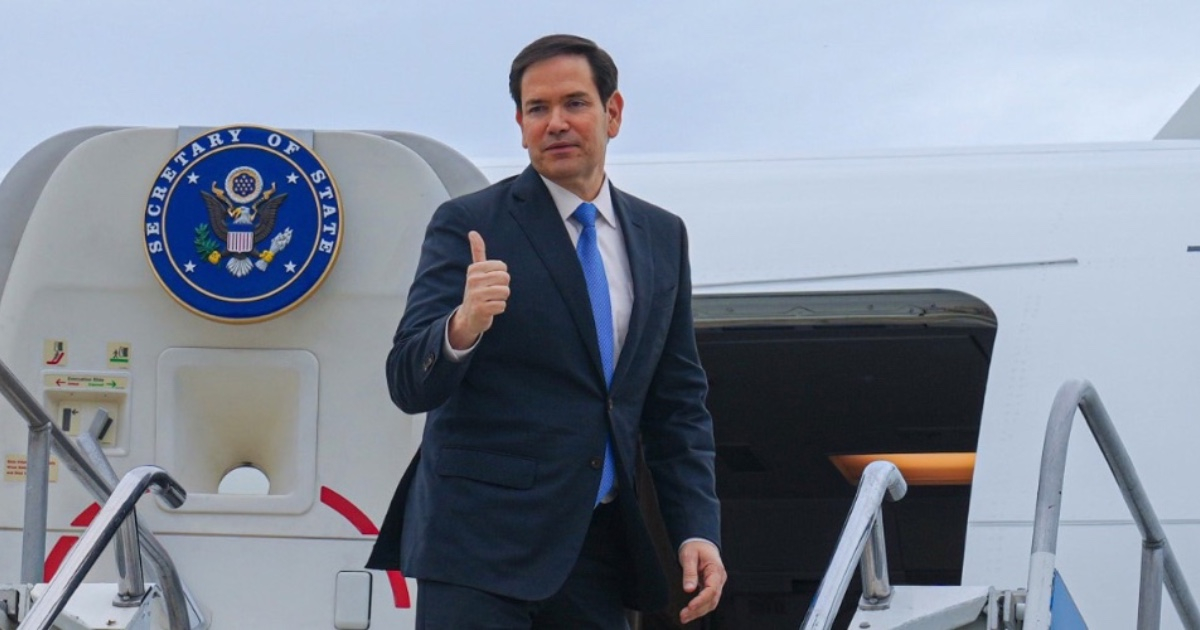
Reports from CiberCuba have raised the possibility of Marco Rubio resigning from his position in the incoming administration if Donald Trump fails to implement specific, aggressive policies regarding Cuba. The inquiry centers on whether Rubio’s long-standing hardline stance on the island will clash with Trump’s executive approach to foreign policy.
- Primary Figures: Marco Rubio and Donald Trump.
- Core Conflict: Alignment on Cuban foreign policy.
- Central Question: Potential resignation of Rubio based on policy inaction.
- Source: CiberCuba.
Why the Question of Resignation Arose
The tension stems from Marco Rubio‘s identity as a hawk on Cuba, a position that has defined much of his political career and appeal to the Cuban-American electorate. According to reports from CiberCuba, the central concern is whether Donald Trump will take the decisive actions Rubio deems necessary to pressure the Cuban government.
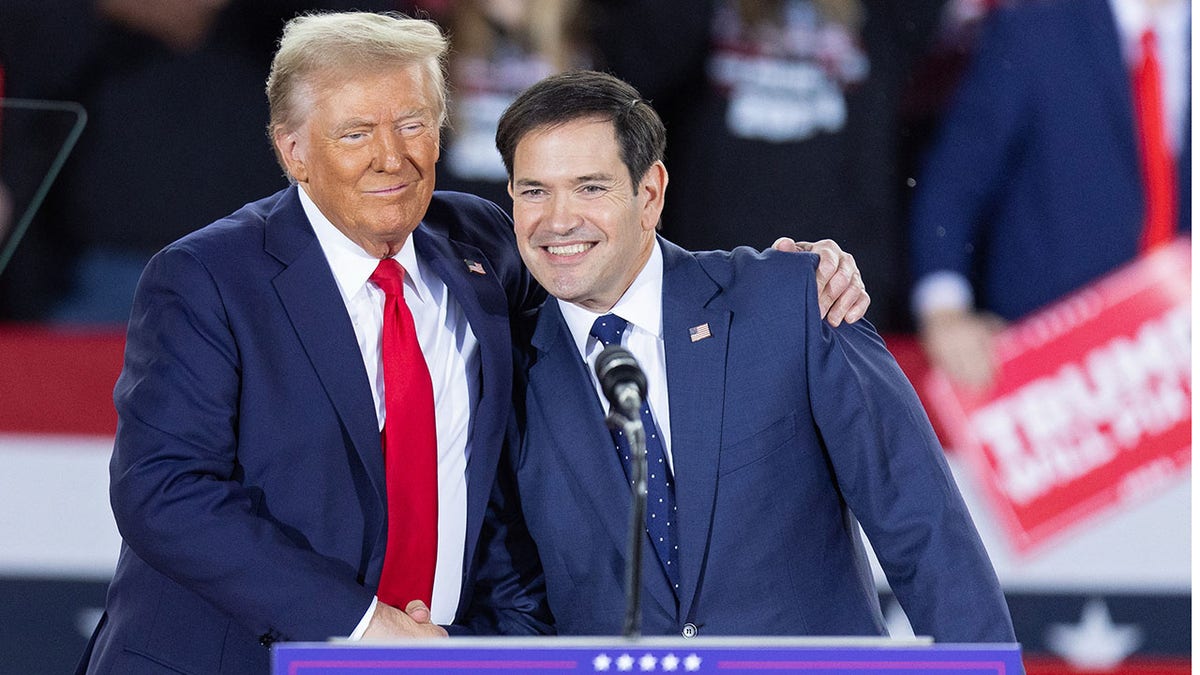
If the administration opts for a more transactional or lenient approach, reports suggest this could create an ideological rift. The question of resignation serves as a proxy for the broader struggle between Rubio’s policy requirements and Trump’s unpredictable decision-making style.
The Conflict Between Hardline Policy and Political Pragmatism
Rubio has consistently advocated for a strict policy toward the Cuban government, emphasizing the restoration of democracy and human rights on the island. This contrasts with Donald Trump‘s history of shifting strategies, which often prioritize direct negotiation over sustained ideological pressure.
This dynamic mirrors previous administration clashes where high-profile appointees have stepped down when their core policy convictions were sidelined by the president’s directives. In this instance, the stakes involve not only a cabinet-level position but also the political loyalty of a critical voting bloc in Florida.
How This Impacts the Cuban-American Community
The possibility of a resignation would signal a failure to align the administration’s goals with the expectations of the Cuban diaspora. According to CiberCuba, the community views Marco Rubio as a primary defender of their interests in Washington.
A departure by Rubio over Cuba policy would likely create a vacuum in the administration’s relationship with these constituents, potentially shifting the political landscape in key battleground regions where Cuban-American influence is high.
