
Iran’s chief negotiator announced that Tehran will administer the Strait of Hormuz following a memorandum of understanding with the United States, an agreement Iranian officials characterize as a “declaration of America’s defeat,” according to reports from BFM and Medias24.
- Core Agreement: A memorandum of understanding (MoU) between the U.S. and Iran.
- Strategic Claim: Iran asserts administrative control over the Strait of Hormuz.
- Diplomatic Venue: Negotiations took place in Switzerland.
- Iranian Stance: The deal is framed as a symbolic victory over U.S. policy.
How Iran Claims Control of the Strait of Hormuz
The chief negotiator for Iran stated that the administration of the Strait of Hormuz will now fall under Tehran’s authority, according to BFM. This claim targets one of the world’s most critical oil transit chokepoints, shifting the perceived geopolitical balance in the Persian Gulf.
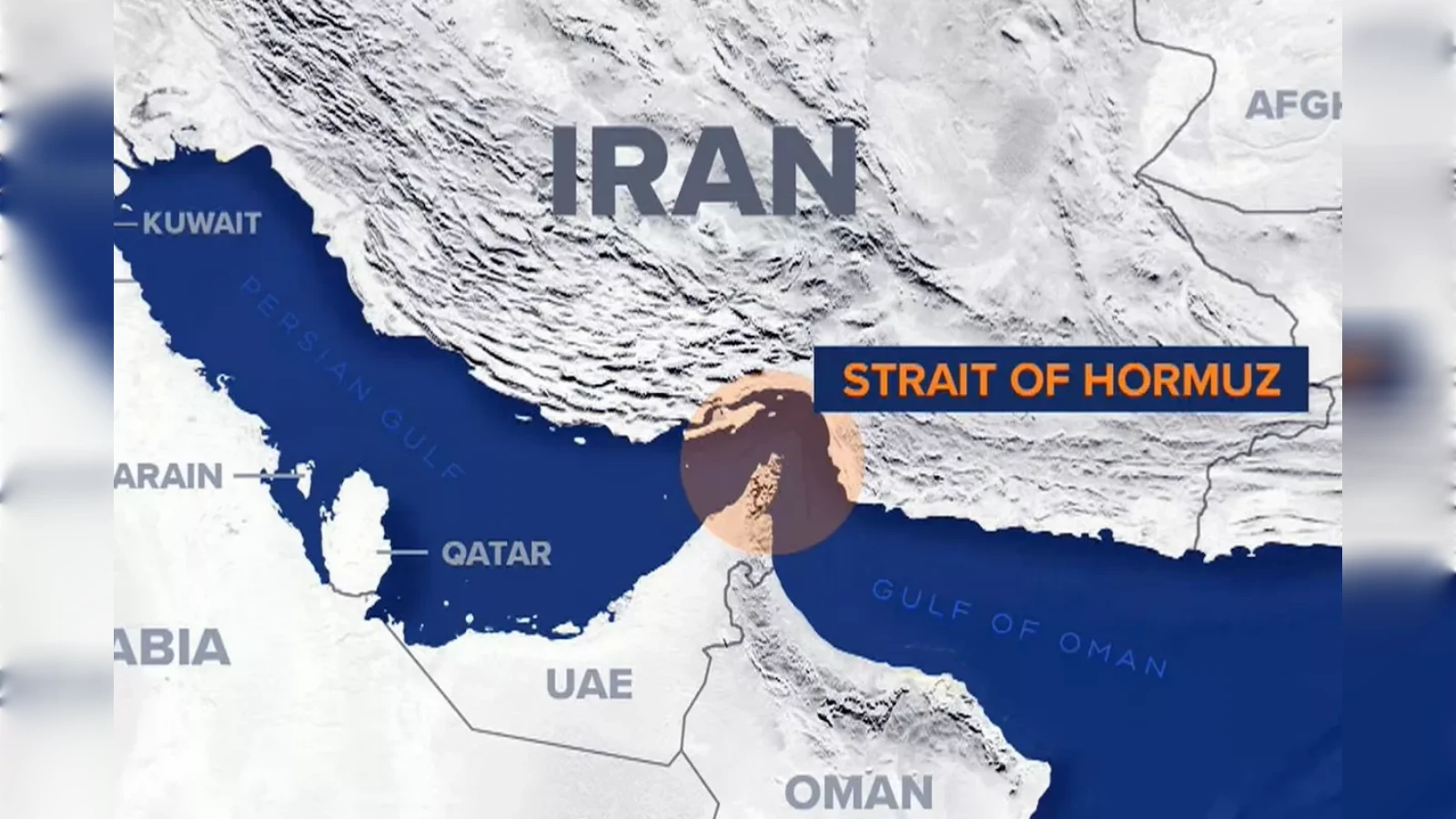
While the memorandum of understanding is presented as a diplomatic breakthrough, reports from Le360 indicate the agreement remains surrounded by questions regarding its actual implementation and the specific terms governing the waterway.
The Symbolic Nature of the U.S.-Iran Agreement
Iranian officials have framed the diplomatic progress not as a compromise, but as a submission by Washington. Medias24 reported that Iran views the protocol of agreement as a “declaration of defeat” for the United States.
This sentiment was echoed during discussions in Switzerland. According to Le Monde, Iranian representatives displayed an “almost worrying assurance” throughout the proceedings, treating the deal as a series of symbolic victories over U.S. strategic interests.
The protocol of agreement is a declaration of defeat for America.
Iranian officials, via Medias24
The Unresolved Costs of Détente
Despite the optimistic framing of a “diplomatic breakthrough” reported by Le360, other analyses suggest the agreement carries significant risks. Finances News Hebdo highlighted a “hidden price” associated with this period of détente, though the specific concessions remain undisclosed in the public summaries of the MoU.
International observers noted the contrast between the hopeful rhetoric of a breakthrough and the underlying tensions that persist. The agreement’s success depends on whether the “symbolic victories” claimed by Tehran translate into a stable, long-term security arrangement or if the administrative claims over the Strait of Hormuz will trigger new frictions with the U.S. and its regional allies.
