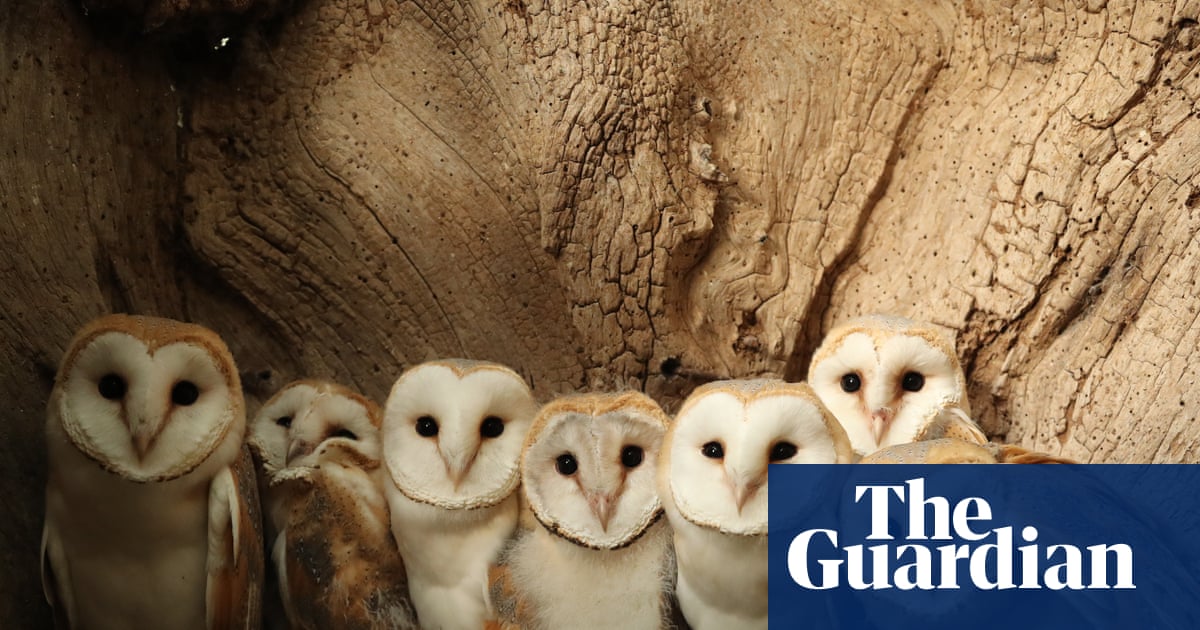
‘Nature’s Soap Opera’: The Surprising Rise of a Wildlife Artist’s Nestbox Chronicles on YouTube
In an era dominated by fast-paced digital content, a unique blend of art and ecology has captured the attention of millions online. A wildlife artist, whose creative work began as a personal project, has transformed simple nestboxes into a global phenomenon. This story explores how a humble act of nature observation evolved into a viral sensation, reshaping how audiences engage with wildlife and environmental storytelling.
The Unlikely Catalyst: From Artist’s Studio to Online Phenomenon
It began with a single nestbox. A wildlife artist, known for their intricate depictions of natural ecosystems, decided to take their craft beyond the canvas. Inspired by a growing interest in biodiversity and the need for conservation, they installed a series of nestboxes in their local environment. These boxes, designed with both functionality and aesthetic appeal, were not just shelters for birds and small mammals—they became tools for observation, documentation, and storytelling.
The artist’s decision to livestream the activities within these nestboxes was initially modest. Using a hidden camera, they aimed to capture the daily lives of creatures that rarely grace human视线. What followed was an unexpected fusion of art, science, and digital media. The raw, unfiltered footage of hatchlings emerging, parents tending to their young, and the constant interplay of survival and vulnerability resonated with viewers worldwide.
“It wasn’t about fame,” the artist reflected in a rare interview. “It was about sharing the quiet magic of nature that often goes unnoticed. The nestboxes became a window into a world that’s both fragile and resilient.”
The Evolution of a Digital Narrative
The content quickly gained traction, not for its production value but for its authenticity. Viewers were drawn to the intimate, day-to-day drama of the nestbox inhabitants. The artist’s commentary, infused with scientific knowledge and poetic insight, added depth to the visual storytelling. Over time, the series evolved into a “soap opera of nature,” where each episode revealed new conflicts, triumphs, and mysteries.
Key moments that propelled the series to prominence included the survival of a rare species of bird, the unexpected arrival of an invasive predator, and the heartwarming bond between a parent and its offspring. These events, documented in real time, created a sense of urgency and emotional investment among the audience. Viewers began to follow specific families of birds, tracking their journeys across seasons.
“It’s like watching a family saga unfold, but with wild animals,” one viewer commented. “You start to care about the characters, even though they’re not human.”
Who’s Behind the Camera? A Closer Look at the Wildlife Artist
While the artist remains anonymous, their work has become a symbol of the growing intersection between art and environmental activism. With a background in both fine arts and ecology, they have long been passionate about using creative mediums to highlight ecological issues. Their nestbox project is an extension of this philosophy, blending technical expertise with a deep respect for the natural world.
The artist’s approach is rooted in a belief that art can serve as a powerful educational tool. By making wildlife accessible through relatable narratives, they aim to bridge the gap between scientific research and public understanding. “Nature is full of stories,” they explained. “It’s our job to listen and share them.”
Collaboration has also played a key role in the project’s success. Local environmental groups, birdwatching communities, and even amateur naturalists have contributed to the effort, providing insights, resources, and feedback. This collective approach has not only enriched the content but also fostered a sense of community among viewers.
A New Genre: The Rise of Wildlife-Centric Content
The popularity of the nestbox series reflects a broader trend in digital media. As audiences seek meaningful, educational content, niche topics like wildlife observation have found a dedicated following. Platforms like YouTube have become incubators for such content, allowing creators to build audiences around specific passions.
This trend is not without its challenges. The artist acknowledges the pressure to maintain viewer engagement while staying true to the integrity of their work. “There’s a fine line between entertainment and education,” they noted. “I want to keep the focus on the animals and their stories, not on sensationalism.”
Despite these challenges, the project has inspired a wave of similar initiatives. Other artists and conservationists have begun experimenting with their own nestbox setups, leveraging technology to document and share their findings. This grassroots movement underscores the potential of individual efforts to spark collective action.
Why This Matters: The Broader Implications of a Nestbox Success Story
The success of the nestbox series extends beyond entertainment. It has highlighted the importance of urban and suburban habitats for wildlife, challenging the notion that conservation is solely the domain of remote, untouched areas. By showcasing the resilience of animals in human-altered environments, the project has encouraged viewers to rethink their relationship with nature.

Experts in the field of conservation biology have praised the project for its ability to engage the public in a non-threatening way. “Traditional conservation messaging often feels distant or overwhelming,” said Dr. Emily Carter, a wildlife ecologist. “This series makes it personal. It shows that even small actions—like installing a nestbox—can have a significant impact.”
The project has also spurred renewed interest in citizen science. Viewers are increasingly encouraged to participate in data collection, such as reporting bird sightings or contributing to local biodiversity surveys. This democratization of scientific inquiry has the potential to empower communities and foster a deeper connection to the natural world.
Challenges and Ethical Considerations
As with any wildlife-focused project, ethical concerns have been raised. Critics question whether the presence of cameras and human interaction might disturb the animals. The artist has addressed these concerns by implementing strict guidelines, such as using non-invasive equipment and minimizing human interference. “The well-being of the animals is always the priority,” they emphasized.
Another challenge is the
