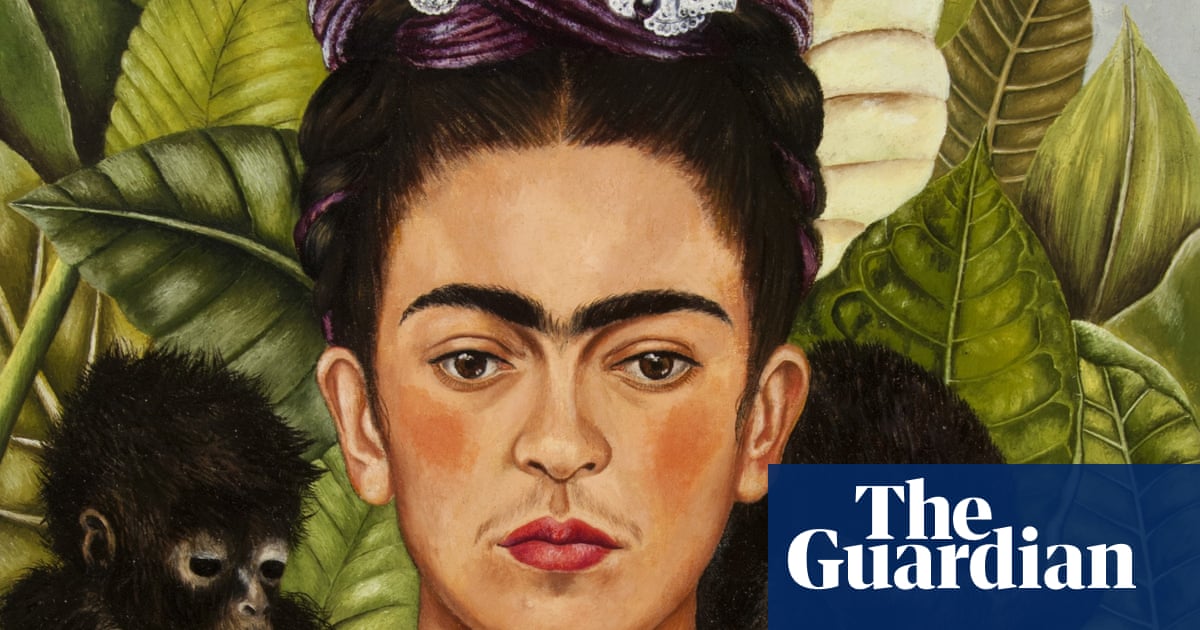
Tate’s Frida Kahlo Exhibition Breaks Ticket Records, Challenging Decline of Blockbuster Art Shows
Tate Modern’s Frida Kahlo exhibition has set new ticket records, according to The Guardian, countering industry narratives that the “blockbuster” exhibition model is in decline. The show explores the private life of the artist, supported by a complementary public art trail featuring six large-scale murals across London, as reported by Secret London.
Why the Tate Frida Kahlo Show Signals a Return of the Blockbuster
The success of the Frida Kahlo exhibition at Tate Modern provides a data point against the theory that audiences are losing interest in massive, single-artist retrospectives. While some art industry analysts suggested the “blockbuster” era—characterized by high-attendance, high-profile shows—was fading, The Guardian reports that this specific exhibition has broken ticket records. This surge suggests that specific “icon” artists still possess the drawing power to generate massive crowds in a post-pandemic cultural landscape.
The exhibition does not merely rely on Kahlo’s name but focuses on a specific curatorial angle. House & Garden reports that the show aims to explore the “woman behind the icon,” moving past the commercialized image of Kahlo to examine her private world. This shift from celebrity to personhood appears to be a key driver in attracting both loyal fans and new visitors.
- Record-breaking sales: High ticket demand contradicts predictions of a decline in blockbuster attendance.
- Curatorial shift: Focus on private history rather than public persona.
- Multi-platform engagement: Integration of gallery space with city-wide public art.
How the “Woman Behind the Icon” Approach Differs from Previous Shows
Previous exhibitions of Frida Kahlo’s work often focused on her political affiliations or her volatile marriage to Diego Rivera. However, the current Tate Modern approach focuses on the internal, private sphere. According to House & Garden, the exhibition seeks to peel back the layers of the global “Fridamania” brand to reveal the actual woman.
This distinction is critical because the “icon” version of Kahlo—often seen on merchandise and posters—can overshadow the technical and emotional complexity of her work. By focusing on her private world, the museum provides a more intimate context for her paintings, which often dealt with chronic pain, infertility, and identity.
“The exhibition explores the woman behind the icon,” according to reports from House & Garden, emphasizing the private reality over the public image.
This strategy aligns with a broader trend in museum curation where institutions attempt to “humanize” historical figures to make them more relatable to modern audiences. By presenting Kahlo as a person with specific, private struggles, Tate Modern increases the emotional stakes for the visitor, potentially explaining the record-breaking ticket sales mentioned by The Guardian.
The London Mural Trail: Bringing the Gallery to the Streets
Tate Modern has extended the exhibition’s reach beyond its walls. Secret London reports that a free art trail of Frida Kahlo murals has appeared across the city. Six enormous artworks are currently situated in various London locations, allowing the public to engage with Kahlo’s imagery without a paid ticket.

This tactical move serves two purposes. First, it democratizes access to the art, removing the financial barrier of museum entry. Second, it acts as a physical advertisement for the main exhibition. By placing massive murals in high-traffic urban areas, the museum creates a “treasure hunt” atmosphere that encourages social media sharing and foot traffic.
The murals function as a gateway. A visitor may discover a mural in a public square and subsequently decide to purchase a ticket for the full exhibition at Tate Modern to understand the context of the street art. This synergy between free public installations and paid gallery experiences is a hallmark of modern blockbuster strategy.
Contrasting the Museum Experience with the Reality of Mexico City
While the London exhibition focuses on the “private world” of Kahlo, perspectives from those who know her birthplace suggest a different layer of understanding. The Times provides a perspective on growing up in Frida Kahlo’s Mexico City, noting that the lived experience of the city offers a different lens than a curated museum show.
Similarly, Harper’s BAZAAR reports on the experience of discovering Kahlo’s secrets within Mexico City, stating that visiting her actual environments allows a person to feel “closer to the woman behind the image.” This suggests a tension between the “curated” version of an artist presented in a European gallery and the “organic” version found in the artist’s home country.
The difference can be summarized by the way the environment informs the art. In London, the art is framed by white walls and professional lighting. In Mexico City, the art is framed by the architecture, the colors, and the social history of the region. For the visitor, the London show is an intellectual and emotional exploration, while a visit to Mexico City is a visceral, geographical one.
| Feature | Tate Modern Exhibition (London) | Mexico City Experience |
|---|---|---|
| Primary Focus | The “woman behind the icon” / Private world | Lived history and geographical context |
| Accessibility | Ticketed gallery + Free public murals | Direct access to historic sites and streets |
| Atmosphere | Curated, academic, and structured | Organic, cultural, and immersive |
| Key Driver | Record-breaking ticket sales (The Guardian) | Authenticity and ancestral connection |
The Economics of the Modern Art Blockbuster
The report from The Guardian that “reports of the blockbuster exhibition’s death are premature” touches on a significant economic debate within the arts. For decades, museums have relied on “star” exhibitions to drive revenue and membership. However, critics argued that the digital age and a shift toward smaller, more niche installations were killing this model.
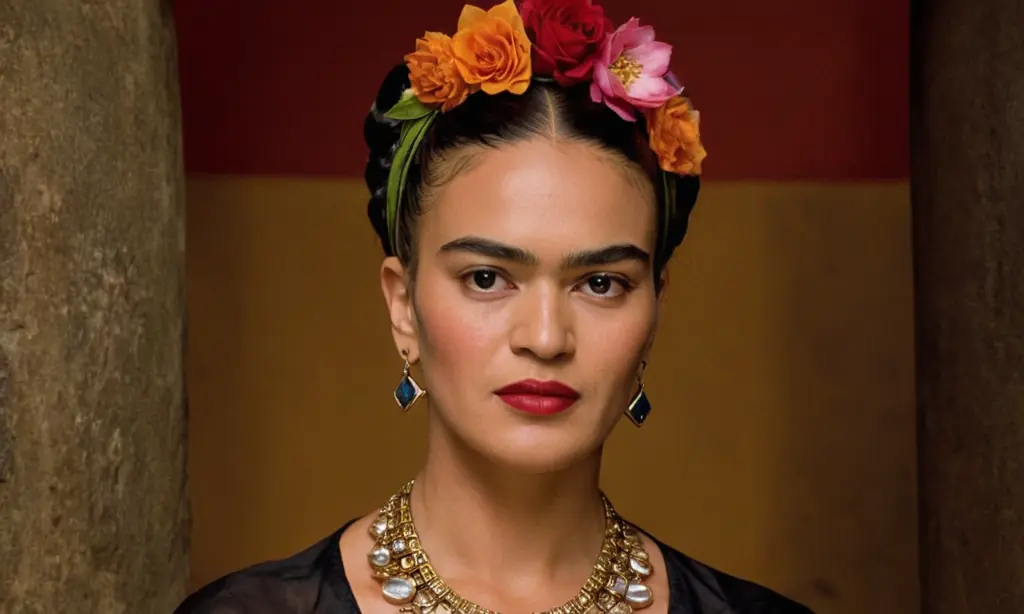
The Kahlo show proves that the “star” model still works, provided the artist has a strong cross-generational appeal. Kahlo is not just an art historical figure; she is a feminist icon, a symbol of disability visibility, and a representative of Mexican identity. This intersectionality ensures a wider demographic of visitors than a traditional art retrospective might attract.
Furthermore, the integration of the mural trail mentioned by Secret London shows that the “blockbuster” is evolving. It is no longer just about a single building; it is about a “city takeover.” By blending digital marketing, public art, and a high-concept gallery show, Tate Modern has created a comprehensive cultural event rather than a simple exhibition.
Related explainer on the evolution of museum curation may provide further context on how galleries are adapting to changing audience habits.
Common Misconceptions About Frida Kahlo’s Popularity
A common oversimplification is that Kahlo’s popularity is based solely on her tragic biography. While her pain and her relationship with Diego Rivera are central to her work, the Tate Modern exhibition attempts to correct this by focusing on her agency and her private world. According to House & Garden, the goal is to move beyond the “icon” status.
Another misconception is that her work is purely surrealist. While often grouped with the Surrealists, Kahlo frequently denied this label, asserting that she painted her own reality rather than dreams. The current exhibition’s focus on her “private world” reinforces this distinction, presenting her work as a documentary of her internal and external life rather than a surrealist exercise.
Finally, some assume that the “Fridamania” seen in commercial products diminishes the value of her art. On the contrary, the record-breaking ticket sales reported by The Guardian suggest that the commercial visibility of Kahlo actually acts as a funnel, leading a broader public back to the original artworks in a museum setting.
Impact on the Global Art Market and Future Exhibitions
The success of this show is likely to influence how other major museums plan their upcoming calendars. If the “woman behind the icon” approach drives record sales, other institutions may move away from chronological retrospectives in favor of thematic, psychological explorations of famous artists.
The use of public art trails, as seen with the London murals, is also a scalable model. Museums may increasingly look to partner with city councils to place artworks in the streets, effectively turning the city into a foyer for the museum. This reduces the “intimidation factor” of high-art institutions and attracts a younger, more diverse crowd.
The contrast provided by The Times and Harper’s BAZAAR regarding Mexico City also suggests a growing demand for “art tourism.” As visitors experience the curated version of Kahlo in London, they are more likely to seek out the authentic version in Mexico, creating a symbiotic relationship between international exhibitions and local tourism in the artist’s homeland.
Related analysis on the impact of art tourism on local economies explores these trends in greater detail.
Frequently Asked Questions
Why is the Tate Frida Kahlo show considered a “blockbuster”?
It is considered a blockbuster because it has broken ticket records, according to The Guardian, and utilizes a high-profile, single-artist focus designed to attract a massive, diverse audience through both gallery exhibits and city-wide public art.
Where can I find the Frida Kahlo murals in London?
According to Secret London, there are six enormous murals located in various spots across London as part of a free art trail designed to accompany the Tate Modern exhibition.

How does this exhibition differ from other Frida Kahlo shows?
House & Garden reports that this exhibition focuses specifically on the “woman behind the icon,” prioritizing Kahlo’s private world and personal identity over her more famous public persona and political image.
Is the exhibition only available at Tate Modern?
While the primary exhibition is at Tate Modern, the experience is extended into the city via the six free public murals reported by Secret London.
Why do some sources suggest visiting Mexico City instead of a museum?
Sources such as The Times and Harper’s BAZAAR suggest that visiting Mexico City provides a more authentic, lived experience of Kahlo’s environment, allowing visitors to feel closer to the real woman than they might in a curated gallery setting.
The record-breaking success of the Tate exhibition confirms that the public’s appetite for iconic artists remains high. By blending an intimate curatorial focus with bold public installations, the museum has not only broken sales records but has also provided a blueprint for the future of the blockbuster exhibition. As the show continues, the interplay between the curated London experience and the ancestral roots in Mexico City will likely continue to drive global interest in Kahlo’s enduring legacy.
