
First WiiM Soundbar With Dolby Atmos, Touch Display And Expandability – Forbes
The home audio landscape is currently witnessing a significant disruption as WiiM, a brand that has rapidly ascended to dominance in the network streamer market, officially pivots into the soundbar arena. The announcement of the first WiiM soundbar with Dolby Atmos, touch display, and expandability marks a strategic evolution for the company. No longer content with simply providing the “brains” for existing amplifiers and speakers, WiiM is now delivering the entire hardware package, aiming to challenge the established hegemony of giants like Sonos and Samsung.
For years, WiiM has built a reputation on delivering high-fidelity streaming capabilities at a fraction of the cost of premium competitors. By integrating their sophisticated software ecosystem into a dedicated soundbar, they are attempting to solve a common consumer pain point: the friction between high-end cinematic audio and seamless multiroom music streaming. This new device isn’t just a speaker for the television. It’s a centralized audio hub designed to bridge the gap between a home theater experience and a high-resolution music system.
The Hardware Evolution: More Than Just a Speaker
At first glance, the WiiM soundbar appears to follow the sleek, minimalist aesthetic common in modern living rooms. However, the internal architecture and the user interface represent a departure from industry norms. The most striking addition is the integrated touch display, a feature rarely seen in the soundbar category, where manufacturers typically rely on physical buttons or smartphone apps for control.
This touch interface allows users to manage playback, adjust settings, and navigate streaming services directly from the device. In an era of “app fatigue,” where every single device requires a dedicated smartphone application to perform basic tasks, the return to on-device control is a welcome ergonomic shift. It transforms the soundbar from a passive peripheral into an active control center for the room’s audio environment.
Decoding the Dolby Atmos Integration
The inclusion of Dolby Atmos is the cornerstone of this device’s cinematic appeal. Unlike traditional surround sound, which relies on specific channels (left, right, center), Dolby Atmos utilizes object-based audio. This allows sound engineers to treat individual sounds as “objects” that can be placed and moved in a three-dimensional space, including above the listener.
- Virtualization: Through advanced digital signal processing (DSP), the WiiM soundbar simulates height channels, bouncing sound off the ceiling to create the illusion of overhead noise, such as rain or aircraft.
- Immersive Soundstage: The goal is to move away from “front-facing” audio and instead wrap the listener in a sphere of sound, increasing the perceived depth and width of the audio stage.
- Compatibility: By supporting the latest Atmos standards, the bar integrates seamlessly with modern streaming platforms and Blu-ray players via HDMI eARC.
The integration of a touch display on a soundbar is a calculated risk that pays off by reducing the reliance on a secondary screen, effectively returning autonomy to the listener.
The Power of Expandability and the WiiM Ecosystem
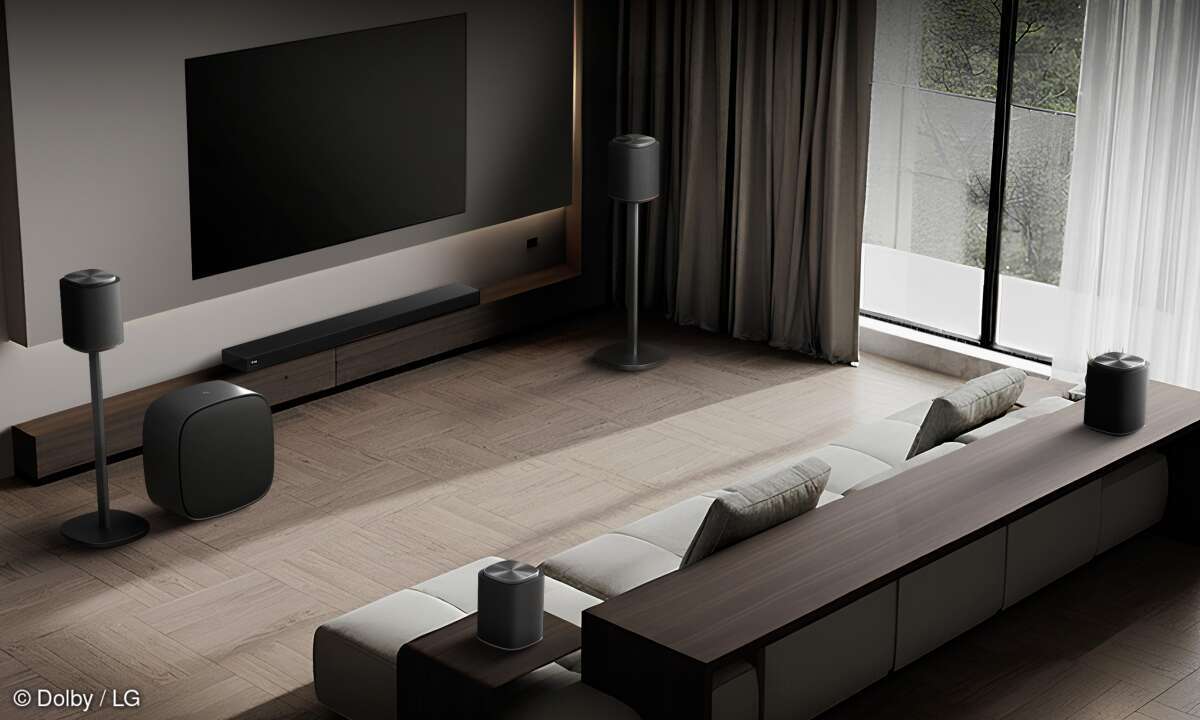
While the audio quality is the primary draw, the “expandability” mentioned in the product’s core value proposition is where WiiM truly seeks to outmaneuver its competition. Most soundbars are designed as closed systems; if you want a subwoofer or rear speakers, you are often forced to buy the same brand’s proprietary add-ons, which are frequently overpriced.

WiiM is leveraging its existing expertise in network audio to create an open-ended ecosystem. The soundbar is designed to function as the primary node in a wider multiroom network. This means users can synchronize their living room soundbar with WiiM streamers or speakers in the kitchen, bedroom, or office, creating a cohesive sonic blanket across the entire home.
Multiroom Synergy and Connectivity
The expandability of the first WiiM soundbar with Dolby Atmos, touch display, and expandability extends beyond just adding more speakers. It encompasses a wide array of connectivity protocols that ensure the device fits into any existing tech stack:
- AirPlay 2 and Chromecast: Native support for the most popular casting protocols ensures that whether you are an iOS or Android user, the barrier to entry is non-existent.
- DLNA and Spotify Connect: By supporting these standards, WiiM ensures that high-resolution audio can be pushed directly to the hardware, bypassing the compression often found in Bluetooth transmissions.
- HDMI eARC: The Enhanced Audio Return Channel allows for the transmission of high-bandwidth audio formats (like Atmos) from the TV to the soundbar with minimal latency and maximum quality.
| Feature | Standard Soundbars | WiiM Atmos Soundbar |
|---|---|---|
| Control Interface | Remote / App | Touch Display / App / Remote |
| Ecosystem | Proprietary / Closed | Open Multiroom / Expandable |
| Audio Format | Stereo / Virtual Surround | Dolby Atmos (Object-based) |
| Streaming Integration | Basic | Advanced (Hi-Res Network Audio) |
Market Positioning: The “Sonos Killer” Narrative
Industry analysts have quickly noted that WiiM is positioning this product as a direct alternative to the Sonos ecosystem. For years, Sonos has been the gold standard for multiroom audio, but it has also been criticized for its “walled garden” approach and increasing price points.
WiiM is attacking this market from two angles: price and flexibility. With a launch price point around €499, the WiiM soundbar offers premium features—like the touch display and Atmos—that typically command a much higher premium in the luxury audio segment. By offering a high-spec device at a mid-range price, WiiM is appealing to the “prosumer”—the user who cares about audio quality but refuses to pay a “brand tax.”
The Strategic Shift from Streamer to Manufacturer
To understand why this move is significant, one must look at WiiM’s history. They started by making small, affordable boxes that turned “dumb” amplifiers into “smart” ones. This gave them a deep understanding of what users actually want from their software: stability, a wide range of supported services, and an intuitive app.
By moving into soundbars, they are vertically integrating. They no longer need to rely on other companies to build the speakers that their streamers power. This allows them to optimize the hardware and software in tandem, ensuring that the Dolby Atmos processing is perfectly tuned to the physical drivers of the soundbar.
Technical Analysis: Understanding the Impact on Home Cinema
For the average consumer, “Dolby Atmos” can often feel like a marketing buzzword. However, from a technical perspective, the implementation in the WiiM soundbar represents a specific approach to acoustics. Most soundbars struggle with “verticality”—the sense that sound is coming from above. WiiM addresses this through a combination of upward-firing drivers and sophisticated psychoacoustic processing.
Psychoacoustics is the study of how humans perceive sound. By manipulating the timing and frequency of audio signals, the soundbar can trick the human brain into perceiving a sound source in a location where there is no physical speaker. When combined with the expandability of the WiiM ecosystem, a user can start with a single bar and gradually build out a full-room experience without having to replace their initial investment.
Potential Challenges and Misconceptions
Despite the excitement, there are common misconceptions regarding soundbars that potential buyers should consider:
- The “Full System” Myth: No single soundbar, regardless of Atmos certification, can truly replace a dedicated 7.1.4 wired speaker system with a physical ceiling array. The WiiM soundbar provides an immersive simulation, which is excellent for most living rooms but different from a dedicated cinema.
- The Subwoofer Question: While the bar provides a wide soundstage and clear mids/highs, deep cinematic bass (the kind that shakes the floor) always requires a dedicated subwoofer. The expandability of the WiiM system makes adding one easier, but it remains a necessary step for bass enthusiasts.
- Software Dependency: While the touch display reduces app reliance, the “smart” features of the bar still depend on a stable Wi-Fi connection and firmware updates.
The Broader Industry Implication
The arrival of the first WiiM soundbar with Dolby Atmos, touch display, and expandability signals a shift in how audio companies approach the “smart home.” We are moving away from a period of fragmented devices—where you had one brand for your TV, another for your soundbar, and another for your music streamers—toward a period of unified audio hubs.
WiiM is betting that the future of home audio is not about the loudest speaker, but the most flexible one. By prioritizing expandability, they are acknowledging that a user’s needs change over time. Someone might start with a simple TV setup and eventually evolve into a full-home audio enthusiast. By providing a path for that growth within a single ecosystem, WiiM is building long-term brand loyalty.
the inclusion of the touch display suggests that the industry may be moving back toward tactile, on-device interaction. As voice assistants (like Alexa or Google Assistant) face scrutiny over privacy and accuracy, a physical touch interface provides a reliable, private, and immediate way to interact with technology.
- Value Proposition: High-end features (Atmos, Touch Screen) at a competitive mid-range price.
- User Experience: Reduced app dependency thanks to the integrated display.
- Growth Path: Ability to expand into a full multiroom system without replacing the core unit.
- Audio Quality: Object-based spatial audio for a more immersive movie and gaming experience.
Frequently Asked Questions
Does the WiiM soundbar require a separate subwoofer for Dolby Atmos?
No, the soundbar can process and play Dolby Atmos content on its own using virtualization and upward-firing drivers. However, for a complete cinematic experience with deep low-frequency effects (LFE), adding a compatible subwoofer is highly recommended.
How does the touch display differ from using a remote or app?
The touch display provides immediate, tactile control over the device without needing to find a remote or unlock a smartphone. It allows for quick adjustments to volume, source switching, and playback control directly on the hardware.
Can I use this soundbar with non-WiiM speakers?
While the soundbar can play audio from various sources via HDMI and streaming protocols, the “expandability” and seamless multiroom synchronization are specifically optimized for the WiiM ecosystem. To get the full multiroom benefit, using other WiiM-enabled devices is necessary.
Is the WiiM soundbar compatible with all 4K TVs?
As long as your television has an HDMI eARC or ARC port, the WiiM soundbar will be compatible. EARC is preferred for Dolby Atmos as it supports the higher bandwidth required for uncompressed spatial audio.
What makes this “expandable” compared to other soundbars?
Unlike many brands that lock you into a specific, expensive hardware bundle, WiiM allows you to integrate the soundbar into a wider network of affordable streamers and speakers, effectively letting you build a custom multiroom system at your own pace.
As the home audio market continues to evolve, the success of the WiiM soundbar will likely depend on whether consumers prioritize the “open” nature of the WiiM ecosystem over the established prestige of legacy brands. By combining the technical prowess of Dolby Atmos with a novel user interface and a flexible expansion model, WiiM has positioned itself not just as a budget alternative, but as a forward-thinking leader in the democratization of high-fidelity home cinema.
For those looking to upgrade their living room, this device represents a compelling intersection of convenience and performance. It challenges the notion that you must choose between a dedicated music system and a home theater bar, suggesting instead that the two can—and should—be the same thing. Whether it can fully displace the industry leaders remains to be seen, but it has certainly raised the bar for what a mid-range soundbar should offer in terms of functionality and user agency.
