
The global tech sector faced significant declines as investors braced for potential interest rate hikes, with major indices slipping amid heightened uncertainty about monetary policy. Markets across Asia, Europe, and the U.S. reacted to signals from central banks, particularly the Federal Reserve, which has maintained a restrictive stance to combat inflation.
Market Reactions and Investor Sentiment
Stocks in technology-heavy indices fell sharply on Tuesday, with the Nasdaq Composite and S&P 500 both posting double-digit percentage drops. The declines were driven by concerns over rising borrowing costs, which could dampen corporate spending and consumer demand. Analysts noted that tech companies, which often rely on low-interest environments for growth, were particularly vulnerable.
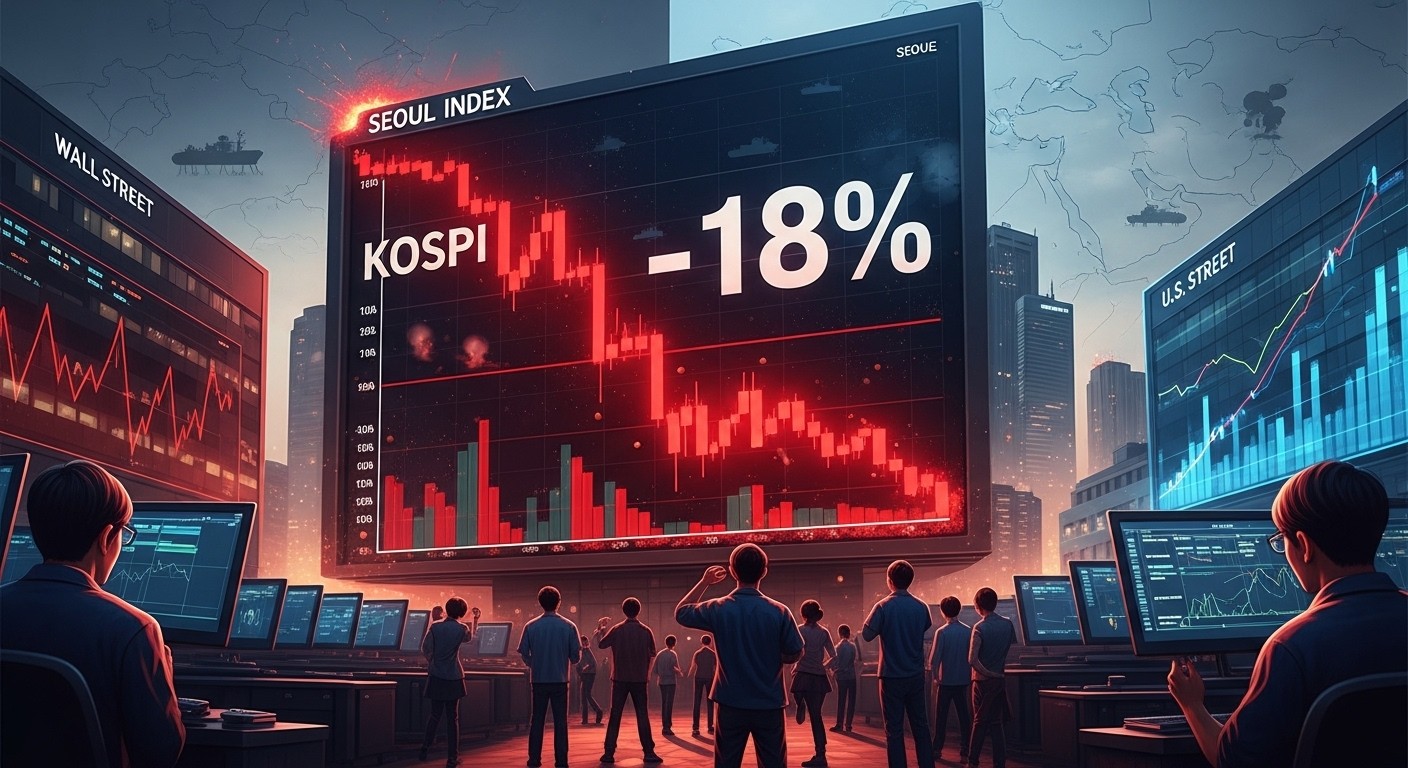
According to reports from local media, the decline marked one of the steepest single-day falls in months, with investors fleeing riskier assets in favor of safer government bonds. The S&P 500 Technology Sector Index dropped 7.2%, while the Nasdaq Composite fell 5.8%, reflecting widespread pessimism about near-term prospects.
Fed Policy and Economic Implications
The Federal Reserve’s continued emphasis on tightening monetary policy has been a central factor in the market turmoil. Officials have signaled that rate hikes may persist longer than previously anticipated, citing stubborn inflation in key sectors such as housing and services. This has led to speculation that the central bank may delay rate cuts until late 2024 or beyond.
Financial analysts highlighted the ripple effects of higher rates on tech firms, which often operate on thin profit margins and rely on access to capital. “A prolonged period of elevated rates could compress valuations and slow innovation,” said a market strategist quoted in a regional financial publication. “Companies with high debt levels are especially at risk.”
Global Market Volatility
The sell-off extended beyond U.S. borders, with European and Asian markets also experiencing sharp declines. The MSCI Asia Pacific Index fell 4.1%, while the Stoxx Europe 600 dropped 3.5%. Investors cited fears of a potential global economic slowdown, exacerbated by geopolitical tensions and weak manufacturing data from China.

In Spain, local media reported that the Ibex 35 index closed 2.8% lower, with tech stocks among the worst performers. Similarly, in Argentina, the Merval index fell 3.2%, reflecting broader regional concerns about capital outflows and currency instability.
What’s Next for Markets?
Market participants are closely watching upcoming Fed meetings and economic data releases, including inflation reports and employment figures. A key focus will be on whether the central bank provides clearer guidance on its rate trajectory. Analysts suggest that further declines could occur if inflation does not moderate as expected.
For now, investors are advised to monitor liquidity conditions and adjust portfolios to account for heightened volatility. “Diversification remains critical in this environment,” a financial advisor noted in a regional publication. “Staying informed about central bank communications will be essential for navigating the coming weeks.”
