
Could Mountains Be Key to Unlocking Hydrogen’s Potential?
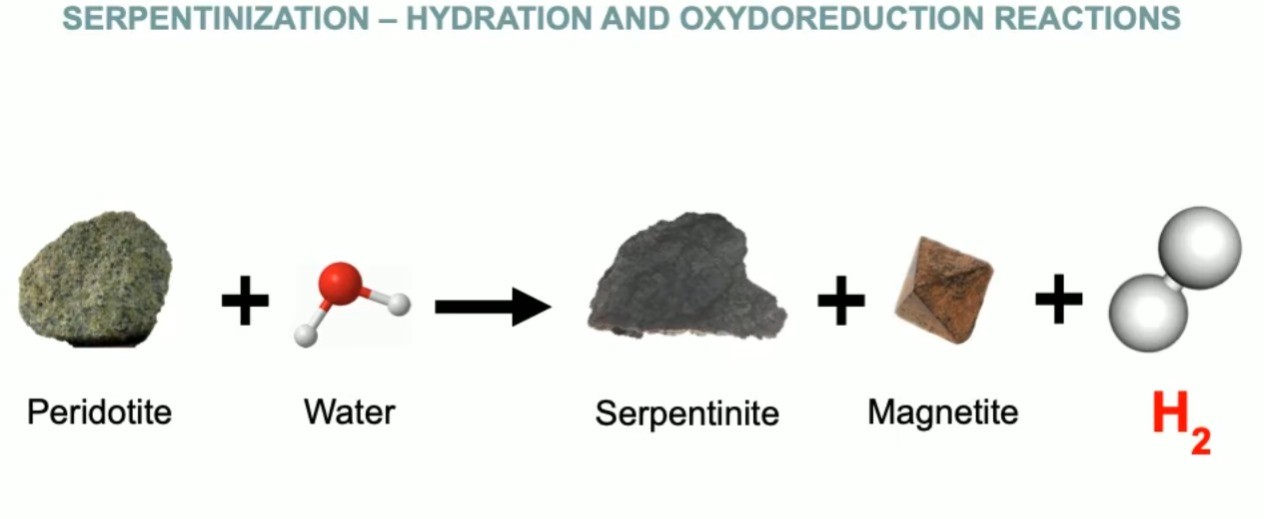
Geological formations in mountainous regions may contain vast, naturally occurring reserves of “white” hydrogen, offering a potential low-cost alternative to manufactured clean fuels. According to geological research, these deposits form through a chemical process called serpentinization, where water reacts with iron-rich rocks in the Earth’s crust to release hydrogen gas. If these reserves prove scalable, they could bypass the energy-intensive electrolysis required for green hydrogen.
What is white hydrogen and how does it form in mountains?
White hydrogen, also known as gold or natural hydrogen, is gas produced naturally within the Earth’s crust. Unlike green hydrogen, which requires electricity to split water, or blue hydrogen, which is derived from natural gas with carbon capture, white hydrogen exists as a raw mineral resource that can be extracted via drilling.
The primary mechanism for this production is serpentinization. This occurs when water infiltrates the upper mantle or lower crust and reacts with ultramafic rocks—rocks rich in magnesium and iron. In mountainous regions, specifically those containing ophiolites (sections of the ocean crust thrust onto continental plates during tectonic collisions), these conditions are frequent. The reaction strips oxygen from the water and binds it to the iron in the rock, leaving behind pure hydrogen gas.
Geologists note that mountains are ideal for this process because tectonic activity creates the fractures and faults necessary for water to penetrate deep into the crust and for the resulting gas to migrate upward. These faults then act as conduits, while impermeable cap-rocks—often found in complex mountain stratigraphy—trap the gas in concentrated reservoirs.
- Serpentinization: The chemical reaction between water and olivine-rich rocks.
- Ophiolites: Slices of oceanic crust and mantle found in mountain ranges.
- Tectonic Faults: Pathways that allow hydrogen to move from the deep crust to reachable depths.
- Cap-rocks: Dense layers of rock that prevent hydrogen from leaking into the atmosphere.
Comparing white, green, and blue hydrogen
The energy industry currently focuses on the “hydrogen economy” primarily through manufactured means. However, the discovery of natural deposits changes the cost-benefit analysis of decarbonization. The main differentiator is the energy input: green hydrogen is energy-expensive, while white hydrogen is an energy-harvesting exercise.
| Hydrogen Type | Source/Production Method | Carbon Footprint | Primary Cost Driver |
|---|---|---|---|
| Green | Electrolysis of water using renewables | Near Zero | Electricity & Electrolyzer CAPEX |
| Blue | Steam Methane Reforming (SMR) + Carbon Capture | Low to Moderate | Natural Gas Prices & Carbon Storage |
| White | Natural geological deposits (Serpentinization) | Very Low | Exploration & Drilling Costs |
Industry analysts suggest that if white hydrogen is found in commercial quantities, the cost per kilogram could drop significantly below the current targets for green hydrogen. This would accelerate the transition for “hard-to-abate” sectors like steel manufacturing and heavy shipping, which cannot easily run on batteries.
Where are the most promising mountainous hydrogen sites?
Exploration is currently concentrated in regions with specific geological signatures. While the search is global, several areas have emerged as high-priority targets due to their tectonic history.

The role of ophiolite complexes
Ophiolites are the “smoking gun” for white hydrogen. These are sections of the Earth’s mantle that have been pushed up onto land. Because they are rich in the minerals required for serpentinization, mountain ranges formed by the collision of tectonic plates—such as the Alps, the Appalachians, and the Oman mountains—are primary candidates.
Case studies in natural hydrogen discovery
In Mali, researchers have identified significant natural hydrogen seeps, suggesting a massive underground reservoir. Similarly, in Oman, the presence of extensive ophiolite sequences has led to successful pilot extractions. These sites demonstrate that hydrogen is not just a byproduct of other processes but can exist in concentrated, extractable pockets.
The search is now expanding to other mountainous regions where similar geological “traps” exist. The goal is to identify “sweet spots” where the chemistry of the rock, the presence of water, and the structural integrity of the cap-rock align to create a commercial-scale reservoir.
Why is the location of these deposits critical for the energy transition?
The geography of white hydrogen could dictate the next era of energy infrastructure. One of the greatest hurdles for the hydrogen economy is transport; hydrogen is a tiny molecule that leaks easily and requires extreme compression or liquefaction to move.
If mountains act as natural storage tanks, the energy is already “stored” and concentrated. This eliminates the need for the massive energy expenditure associated with compressing hydrogen for transport from a coastal electrolyzer plant to an inland industrial hub. Instead, the energy source is located within the geological structure itself.
Furthermore, the use of mountains for hydrogen potential extends beyond extraction. Some researchers are exploring the use of abandoned mountain mines or salt caverns for storing green hydrogen produced elsewhere. This creates a hybrid model where mountains serve as both the source (white hydrogen) and the battery (storage for green hydrogen) for the power grid.
This geological advantage addresses the intermittency of wind and solar power. When renewable production peaks, excess energy can be used to create hydrogen and pump it into mountain reservoirs, to be released when demand spikes or weather conditions fail.
What are the technical and environmental risks of hydrogen mining?
Despite the promise, extracting hydrogen from the crust is not without risk. The process mirrors natural gas extraction, which brings inherent environmental concerns.
Leakage and atmospheric impact
Hydrogen is a potent indirect greenhouse gas. While it does not trap heat directly like CO2, it extends the lifetime of methane in the atmosphere by reacting with hydroxyl radicals. According to atmospheric scientists, uncontrolled leakage from drilling sites could partially offset the climate benefits of switching from fossil fuels to hydrogen.
Induced seismicity
Like fracking or carbon capture and storage (CCS), the injection of fluids or the rapid extraction of gases from deep geological formations can trigger micro-seismic events. In mountainous regions, where tectonic stress is already high, the industry must implement rigorous monitoring to avoid inducing earthquakes.
Water usage and contamination
Serpentinization requires water. While the process often uses deep-seated brine or ancient water trapped in the crust, there are concerns regarding the potential for groundwater contamination if drilling casings fail. Ensuring the integrity of the wellbore is paramount to prevent the migration of salts or heavy metals into freshwater aquifers.
How does this fit into the broader “Hydrogen Ladder”?
The concept of the “Hydrogen Ladder” suggests that hydrogen should only be used where electrification is impossible. For example, passenger cars are better suited for batteries, while blast furnaces for steel are better suited for hydrogen. The discovery of natural hydrogen in mountains could move more industries up this ladder by making the fuel cheaper.
If white hydrogen becomes a viable commodity, the economic pressure to build massive, expensive electrolyzer farms decreases. This allows governments to prioritize green hydrogen for the most difficult sectors while relying on natural deposits for base-load industrial needs.
This shift would likely lead to a new map of “energy superpowers.” Countries with the right mountainous geology—rather than those with the most sunlight or wind—could become the new exporters of clean energy. This geopolitical shift would mirror the rise of oil-rich nations in the 20th century, but centered on a carbon-free molecule.
Frequently Asked Questions
Is white hydrogen actually carbon-free?
Yes, the production of white hydrogen through serpentinization does not release carbon dioxide. The carbon is often sequestered in the form of carbonate minerals within the rock during the reaction, making it one of the cleanest possible energy sources.
Can white hydrogen replace green hydrogen entirely?
It is unlikely. While white hydrogen is cheaper to extract, we do not yet know if the global reserves are large enough to meet total demand. Green hydrogen remains essential because it can be produced anywhere there is water and renewable power, providing energy security that geological deposits cannot.
How is white hydrogen different from natural gas?
Natural gas is primarily methane (CH4), a hydrocarbon that releases CO2 when burned. White hydrogen (H2) is a pure element that releases only water vapor when combusted or used in a fuel cell.
Which countries are leading the search for natural hydrogen?
Oman and Mali have reported some of the most significant findings. However, the US, Australia, and various European nations with alpine or volcanic geology are increasing their exploration efforts.
Is drilling for hydrogen as damaging as drilling for oil?
The physical footprint of a hydrogen well is similar to a gas well. However, because hydrogen is not a toxic pollutant in the same way as crude oil, the risk of catastrophic environmental damage from a spill is significantly lower, though leakage into the atmosphere remains a climate concern.
The potential for mountains to unlock the hydrogen economy rests on the transition from theoretical geology to commercial viability. The next five years of exploration will determine if white hydrogen is a niche curiosity or the foundation of a new global energy system. As drilling technology improves and the mapping of ophiolite complexes becomes more precise, the focus shifts from whether the hydrogen exists to how quickly it can be brought to market without compromising the atmospheric goals of the Paris Agreement.
