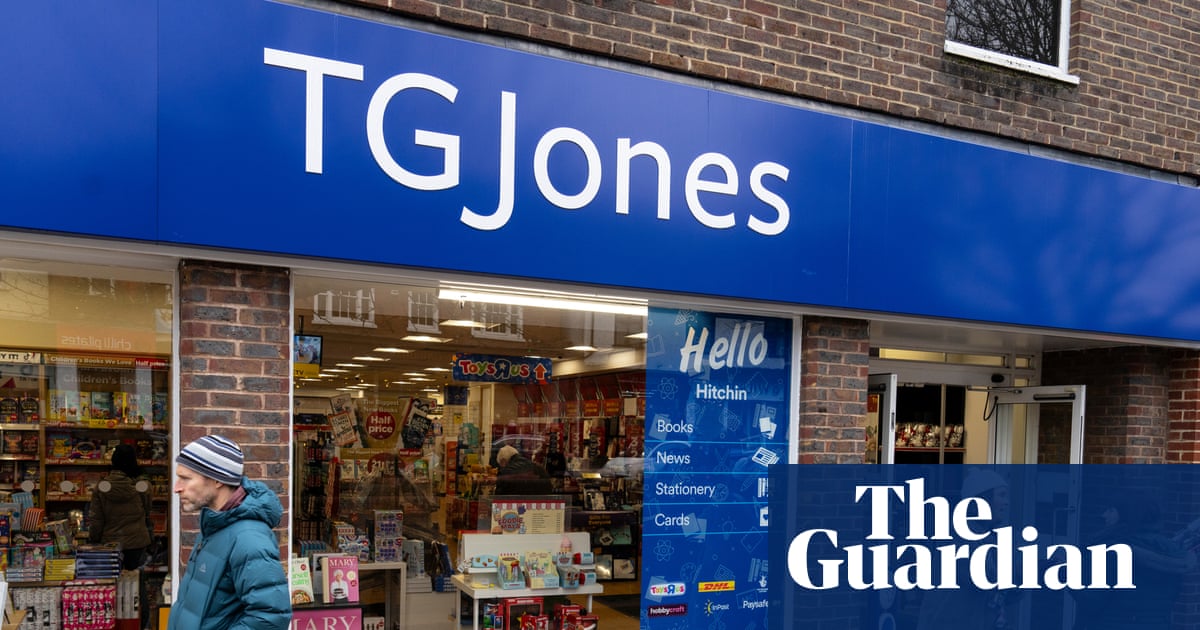
Former WH Smith’s Small Suppliers to Lose at Least Half of Debts in TG Jones Rescue Plan
Small suppliers to former WH Smith sites operated by TG Jones will lose at least 50% of the money they are owed under a company rescue plan, according to The Guardian. The restructuring follows a period of instability that threatened 150 shops, though the deal progressed after landlord British Land dropped its objection following a revised offer of a larger revenue share.
How much debt will small suppliers lose in the TG Jones rescue deal?
Under the terms of the current restructuring agreement, small suppliers are expected to recover no more than half of the debts owed to them, The Guardian reports. This financial haircut is a central component of the rescue plan designed to prevent the total collapse of TG Jones, the entity managing a significant number of former WH Smith locations.
The plan prioritizes the operational survival of the business over the full repayment of unsecured creditors. In retail insolvency and restructuring cases, small suppliers typically fall into the category of unsecured creditors, meaning they lack the collateral or legal priority held by banks or primary landlords. According to the reporting, this means those who provided stock or services to the stores will see a minimum 50% reduction in the funds they are owed.
Key financial impacts for stakeholders include:
- Small Suppliers: Loss of at least 50% of outstanding debts.
- Landlords: Transition toward a revenue-based rent model to secure occupancy.
- Employees: Potential preservation of jobs through the avoidance of immediate liquidation.
Why did British Land drop its objection to the rescue plan?
British Land, a major property owner, initially challenged the TG Jones rescue deal, creating a significant hurdle for the restructuring process. However, Sky News reports that the landlord has since dropped its objection. This reversal came after TG Jones adjusted its proposal to offer landlords a more favorable financial arrangement.
According to Property Week, TG Jones offered landlords a “bigger revenue slice” to quell the restructuring rebellion. This shift represents a move away from traditional fixed-rent agreements toward a turnover-rent model. In this arrangement, the landlord receives a percentage of the store’s actual sales revenue rather than a static monthly or quarterly fee.
This compromise addressed the landlord’s concerns regarding the viability of the business. By tying rent to performance, British Land reduces the risk of a total vacancy while maintaining a vested interest in the store’s success. This “rent climbdown,” as described by the Mark Kleinman blog via Gaydio, was the critical pivot that allowed the rescue deal to move forward.
Which stores are at risk under the TG Jones restructuring?
The financial instability of TG Jones has placed approximately 150 shops at risk, Yahoo News UK reports. These sites, which previously operated under the WH Smith brand, are scattered across various UK locations. The threat of closure has sparked specific concerns in regional hubs, such as Hanley, where residents and local businesses fear the loss of the former WH Smith presence.
The risk to these 150 stores stems from the company’s inability to meet its existing financial obligations under previous lease and supplier terms. While the rescue plan aims to save the business, the process of restructuring often involves reviewing the profitability of individual sites. Stores that cannot meet the new revenue-sharing requirements or that remain chronically unprofitable may still face closure despite the overarching rescue deal.
| Stakeholder | Initial Position | Outcome under Rescue Plan |
|---|---|---|
| Small Suppliers | Expected full payment of debts | Loss of at least 50% of debts |
| British Land | Objected to restructuring terms | Accepted larger revenue share |
| TG Jones Shops | 150 sites at risk of closure | Rescue plan aims to preserve operations |
The mechanics of the TG Jones revenue-sharing model
The decision by TG Jones to offer a “bigger revenue slice” is a strategic move common in distressed retail. When a retailer cannot afford fixed overheads, they negotiate “turnover rents.” This means the landlord becomes a partner in the store’s daily performance.

According to reports from Property Week, this model was specifically used to “quell restructuring rebellion.” By increasing the percentage of sales that go to the landlord, TG Jones provided British Land with a higher potential upside and a more realistic payment structure during lean periods. This prevents the landlord from triggering a lease forfeiture, which would lead to immediate store closure and total loss of rent.
This approach contrasts sharply with the experience of the small suppliers. While the landlords were able to negotiate a sustainable long-term revenue stream, the suppliers are facing a one-time, permanent loss of a significant portion of their capital. This disparity highlights the difference in bargaining power between institutional property owners and small-scale product vendors in retail restructuring.
Wider implications for the UK retail supply chain
The TG Jones situation serves as a case study for the precarious nature of the UK high street supply chain. When a mid-sized operator undergoes restructuring, the “payment hierarchy” often leaves the smallest players most vulnerable.
Industry precedents show that when companies enter rescue plans or Company Voluntary Arrangements (CVAs), they often seek to shed “legacy costs.” These costs include both expensive long-term leases and outstanding debts to trade creditors. In the case of the former WH Smith sites, the rescue plan ensures the company survives as a going concern, but it does so by shifting the financial burden onto the suppliers.
For small businesses, a 50% loss in expected revenue can be catastrophic, potentially leading to a domino effect where those suppliers also face insolvency. This creates a systemic risk where the “rescue” of one retailer may inadvertently destabilize several smaller vendors who relied on those payments for their own cash flow.
Experts often point to the following risks associated with such restructuring plans:
- Credit Tightening: Other retailers may become hesitant to buy from suppliers who have been burned by previous rescue deals.
- Supply Chain Fragility: Small vendors may stop offering competitive terms or cease supplying the restructured company altogether.
- Precedent Setting: Successful “haircuts” for creditors may encourage other struggling retailers to pursue similar debt-reduction strategies.
Common misconceptions about retail rescue plans
There is often a misunderstanding that a “rescue plan” means everyone involved is saved. In reality, these plans are designed to save the entity, not necessarily all of its contracts. As seen with TG Jones, the “rescue” is a mathematical exercise in balancing the books to avoid liquidation.
Another misconception is that landlords always win in these scenarios. While British Land dropped its objection, the move to a revenue-share model means they have traded the certainty of a fixed check for the volatility of retail sales. If the former WH Smith shops fail to attract customers, the “bigger slice” of a small pie may still be less than the original rent.
Finally, some believe that “former WH Smith” implies the main WH Smith corporation is responsible for these debts. However, the reporting specifies that TG Jones is the operator. The legal separation between the brand owner and the site operator is what allows the restructuring to happen without directly impacting the primary WH Smith corporate balance sheet.
Frequently Asked Questions
Who is TG Jones in the context of these stores?
TG Jones is the operator of a number of retail sites that previously operated as WH Smith stores. They are the entity currently undergoing the restructuring and rescue plan.
Why are small suppliers losing money while landlords are getting a revenue share?
Landlords hold the lease to the physical property, which is essential for the business to exist. Without their agreement, the stores close immediately. Suppliers, while important, are often unsecured creditors, giving them less leverage in negotiations during a rescue plan.
How many stores are affected by the TG Jones rescue deal?
According to Yahoo News UK, approximately 150 shops are at risk as part of this process, including locations such as the former WH Smith in Hanley.
What is a “revenue slice” in retail rent?
A revenue slice, or turnover rent, is an agreement where the tenant pays the landlord a percentage of their gross sales rather than a fixed monthly amount. This reduces the tenant’s risk during slow months.
Will all 150 stores stay open?
The rescue plan is intended to save the business, but individual store closures may still occur if specific sites are deemed unviable under the new financial terms.
For those tracking the impact of retail shifts on local economies, a related explainer on UK high street insolvency may provide further context on how these rescue deals typically unfold.
