
The Strategic Chokepoint: Understanding ‘Their New Nuclear Option’ and Why Iran’s Influence Over the Strait of Hormuz is Here to Stay
In the high-stakes theater of global geopolitics, few geographic features hold as much leveraged power as a narrow strip of water connecting the Persian Gulf to the Gulf of Oman. For decades, the international community has viewed the Strait of Hormuz as a critical artery for global energy, but in recent years, it has evolved into something more potent: a geopolitical insurance policy. When analysts discuss ‘Their new nuclear option’: Why Iran’s influence over the Strait of Hormuz is here to stay – CNN, they aren’t necessarily referring to atomic weaponry, but rather to an “economic nuclear option”—the ability to paralyze the global oil market by restricting access to this vital waterway.
The capacity to disrupt the flow of oil through the Strait is not merely a military threat; It’s a sophisticated tool of asymmetric diplomacy. By holding the world’s energy security hostage, Tehran creates a deterrent that complicates the calculations of Western powers, particularly the United States and its regional allies. This influence is not a temporary byproduct of current tensions, but a structural reality rooted in geography, naval strategy, and the enduring dependence of the global economy on fossil fuels.
The Geography of Global Vulnerability
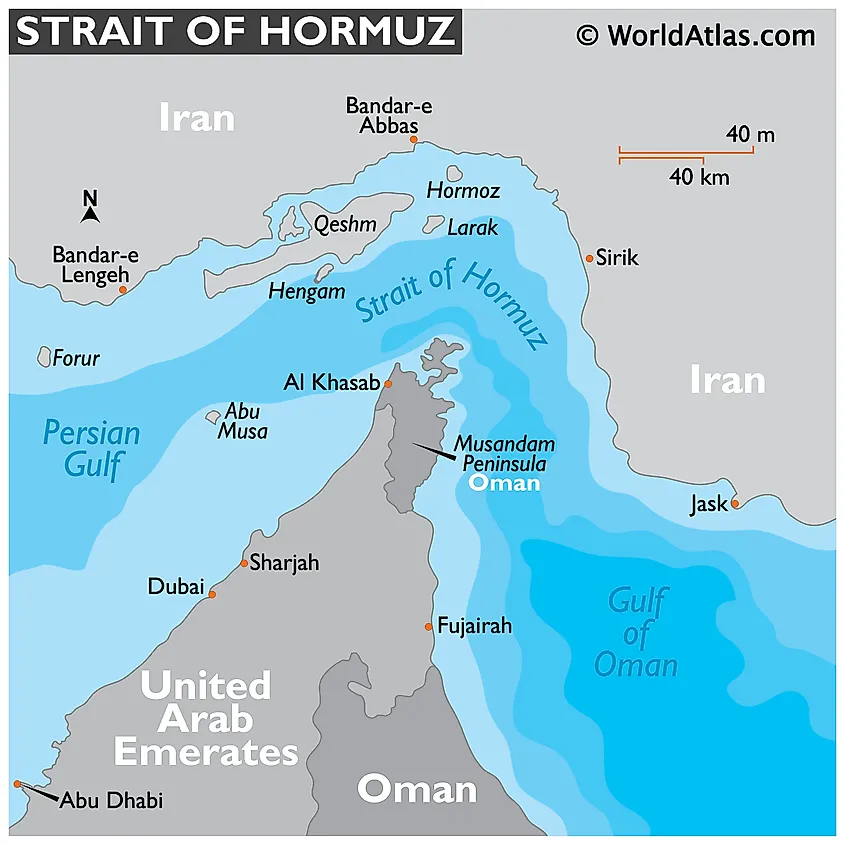
To understand why this influence persists, one must first understand the physical constraints of the Strait of Hormuz. At its narrowest point, the strait is only about 21 miles wide. However, the actual shipping lanes—the deep-water channels where massive oil tankers can safely navigate—are even narrower, consisting of two-mile-wide lanes for inbound and outbound traffic, separated by a two-mile-wide buffer zone.
Because these lanes are so constrained, they are exceptionally vulnerable to disruption. A relatively small number of naval assets, sea mines, or shore-based missiles can effectively “close” the strait or make it too risky for commercial insurance companies to cover vessels entering the area. This creates a bottleneck where the global economy is essentially filtered through a narrow corridor under the direct gaze of the Iranian Revolutionary Guard Corps Navy (IRGCN).
| Metric | Approximate Value/Impact | Global Significance |
|---|---|---|
| Daily Oil Transit | ~20-21 million barrels per day (bpd) | Roughly 20% of global liquid petroleum consumption |
| LNG Transit | Significant portion of Qatar’s exports | Critical for European and Asian energy grids |
| Narrowest Point | ~21 Miles | Creates a physical “chokepoint” effect |
| Shipping Lanes | Two 2-mile wide channels | Highly susceptible to mine-laying and blockade |
Defining the ‘Economic Nuclear Option’
The term “nuclear option” in a political context usually refers to a drastic measure that fundamentally changes the rules of engagement. In the case of the Strait of Hormuz, Iran’s “nuclear option” is the threat of a total or partial blockade. Unlike a traditional war, which requires a full-scale invasion, a blockade in the strait is a form of “grey zone” warfare—actions that fall below the threshold of open conflict but produce devastating strategic results.
“The power of the Strait of Hormuz lies not in the ability to hold the territory indefinitely, but in the ability to create immediate, catastrophic volatility in global energy prices. In a world of just-in-time supply chains, even a 48-hour disruption can trigger a global financial panic.”
For Tehran, this capability serves several purposes:
- Deterrence: It discourages foreign powers from implementing “maximum pressure” campaigns or pursuing regime change, knowing that the economic cost to the West would be astronomical.
- Negotiating Leverage: When facing sanctions or diplomatic isolation, the implicit threat to the strait forces global powers back to the negotiating table.
- Regional Dominance: It signals to neighbors, such as Saudi Arabia and the UAE, that their economic lifelines are subject to Iranian stability.
The Mechanics of Influence: Asymmetric Naval Strategy
Iran recognizes that it cannot compete with the United States Navy in a traditional, blue-water naval battle. Instead, it has invested heavily in asymmetric warfare—strategies designed to neutralize the advantages of a larger, more technologically advanced opponent.
The Swarm Tactic
The IRGCN utilizes hundreds of small, fast-attack craft. These boats are agile, difficult to track on radar when operating in large groups, and capable of launching rockets or torpedoes. By “swarming” a high-value target, such as an aircraft carrier or a supertanker, Iran can create chaos and force a reaction that might be perceived as an escalation by the international community.
Sea Mines and Shore-Based Missiles
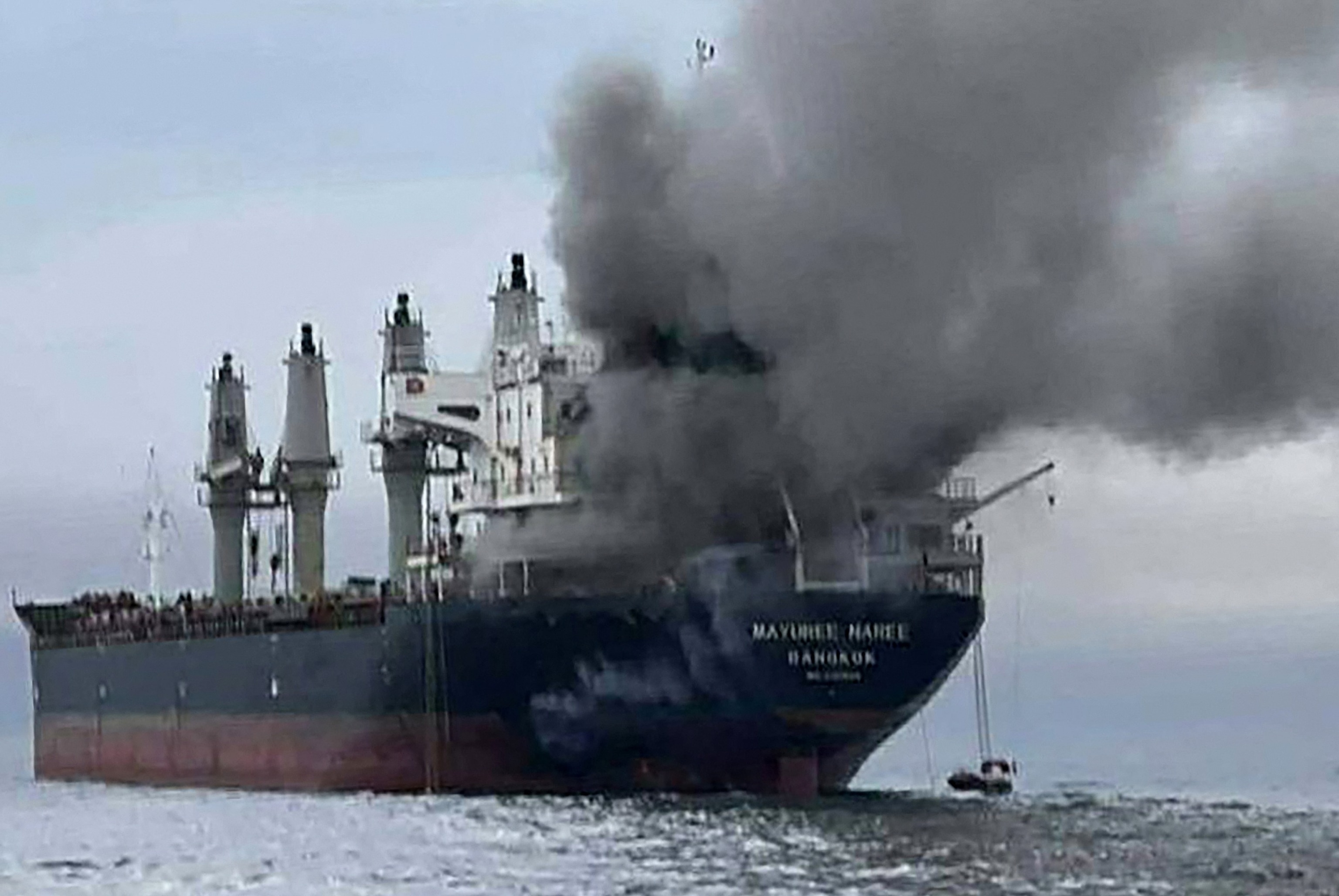
Perhaps the most potent tool in the “nuclear option” toolkit is the sea mine. Mines are relatively inexpensive, easy to deploy clandestinely, and create a psychological terror for ship captains. The mere suspicion that a lane is mined can cause shipping companies to reroute or stop operations entirely. Complementing this are sophisticated anti-ship cruise missiles stationed along the rugged coastline of the strait, allowing Iran to strike targets without ever leaving the safety of its shores.
The Role of Proxy Forces
While the Strait of Hormuz is the primary focus, Iran’s influence extends via proxies in Yemen (the Houthis) and Iraq. By creating multiple points of instability across the Arabian Peninsula and the Red Sea, Iran ensures that the U.S. And its allies must spread their naval resources thin, reducing the ability to maintain a permanent, impenetrable shield over the Strait of Hormuz.
Historical Context: From the Tanker War to the Present
Iran’s current strategy is not new; it is a refined version of tactics used during the 1980s. During the Iran-Iraq War, the “Tanker War” saw both sides attack commercial vessels to disrupt the other’s oil exports. This period taught Tehran a vital lesson: the world is far more sensitive to oil price shocks than it is to the political nuances of Middle Eastern conflicts.
In more recent years, this has manifested in the seizure of tankers and the use of limpet mines. These incidents are rarely meant to start a full-scale war. Instead, they are “calibrated escalations.” By seizing a ship in response to a frozen asset or a diplomatic slight, Iran demonstrates that it can and will act, keeping the world in a state of perpetual anxiety regarding the ‘Their new nuclear option’: Why Iran’s influence over the Strait of Hormuz is here to stay – CNN narrative.
Key Milestones in Strait Tension
- The 1980s Tanker War: Establishment of the strait as a viable battlefield for economic warfare.
- The JCPOA Era: A period of relative stability where nuclear diplomacy reduced the likelihood of maritime escalation.
- The 2018 U.S. Withdrawal: The return of “Maximum Pressure” sanctions, leading to a spike in tanker seizures and drone incidents.
- The Current Era: A shift toward “grey zone” tactics where maritime threats are used as a hedge against regional instability and nuclear proliferation concerns.
The Global Stakeholders and Their Dilemmas
The influence Iran wields over the strait creates a complex set of dilemmas for various global actors. No single country is immune to the ripple effects of a Hormuz closure.
The United States
The U.S. Maintains a massive naval presence in the region to ensure “freedom of navigation.” However, the U.S. Is caught in a paradox: while it has the military power to clear the strait, the act of doing so during a conflict could lead to a prolonged war that the American public may not support, all while oil prices skyrocket at home.
East Asian Economies (China, India, Japan, South Korea)
These nations are the primary consumers of the oil flowing through the strait. China, in particular, relies heavily on Gulf oil to fuel its industrial machine. This makes Beijing a silent but interested party in maintaining stability, often acting as a diplomatic bridge between Tehran and the West to prevent a total collapse of the energy flow.
The GCC States (Saudi Arabia, UAE, Kuwait, Qatar)
For the Gulf Cooperation Council (GCC) nations, the strait is a point of existential vulnerability. While Saudi Arabia and the UAE have invested in pipelines that can bypass the strait to some extent (sending oil to the Red Sea or the Gulf of Oman), these pipelines lack the capacity to handle the total volume of their exports. They remain fundamentally tethered to the stability of the waterway.
For further reading on regional energy shifts, see our related explainer on Gulf pipeline infrastructure.
Common Misconceptions About the Strait’s Stability
There are several prevailing myths regarding Iran’s influence over the Strait of Hormuz that often lead to an underselling of the risk.
Myth 1: “The U.S. Navy can simply open the strait by force.”
While the U.S. Navy is the most powerful maritime force in history, “opening” the strait is not a one-time event. It is a continuous process. Clearing thousands of sea mines and suppressing shore-based missile batteries in a hostile environment is a slow, dangerous task. The economic damage would be done in the first 72 hours, long before the “opening” process was complete.
Myth 2: “Pipelines have made the strait irrelevant.”
As mentioned, bypass pipelines exist, but they are insufficient. The sheer volume of oil and Liquefied Natural Gas (LNG)—particularly from Qatar—is too great for existing alternatives. Until a massive, multi-trillion-dollar infrastructure overhaul occurs across the peninsula, the strait remains the primary artery.
Myth 3: “Iran wouldn’t actually close the strait because it would hurt their own economy.”
This is the “mutually assured destruction” argument. While true that Iran also exports oil through the strait, Tehran has shown a willingness to endure significant economic hardship to achieve strategic political goals. They may not “close” the strait entirely, but rather create a “selective blockade” or “targeted harassment” that spikes prices without completely cutting off their own limited exports.
Why This Influence is Permanent
The phrase “here to stay” is central to the analysis of ‘Their new nuclear option’: Why Iran’s influence over the Strait of Hormuz is here to stay – CNN. This permanence is driven by three immutable factors:
- Geography: You cannot move the Strait of Hormuz. As long as the world relies on Persian Gulf oil, the geography favors the power that sits on its northern shore.
- The Cost of Asymmetry: It is vastly cheaper to build a thousand fast-attack boats and lay ten thousand mines than it is to maintain a carrier strike group in the region for thirty years. The cost-benefit ratio heavily favors the disruptor.
- Energy Transition Lag: While the world is moving toward renewables, the transition is slow. For the next several decades, the global economy will still be sensitive to oil price shocks, ensuring that the “nuclear option” remains a viable threat.
To better understand the broader geopolitical landscape, you may find our analysis of asymmetric warfare in the 21st century useful.
Frequently Asked Questions
Would a closure of the Strait of Hormuz cause a global recession?
A total and prolonged closure would likely trigger a severe global economic crisis. Oil prices would spike instantly, leading to inflation in transport and manufacturing costs worldwide. While some nations have strategic reserves, the sudden loss of 20% of global oil supply would create panic buying and market instability that could lead to a recession.
Can other countries bypass the Strait of Hormuz?
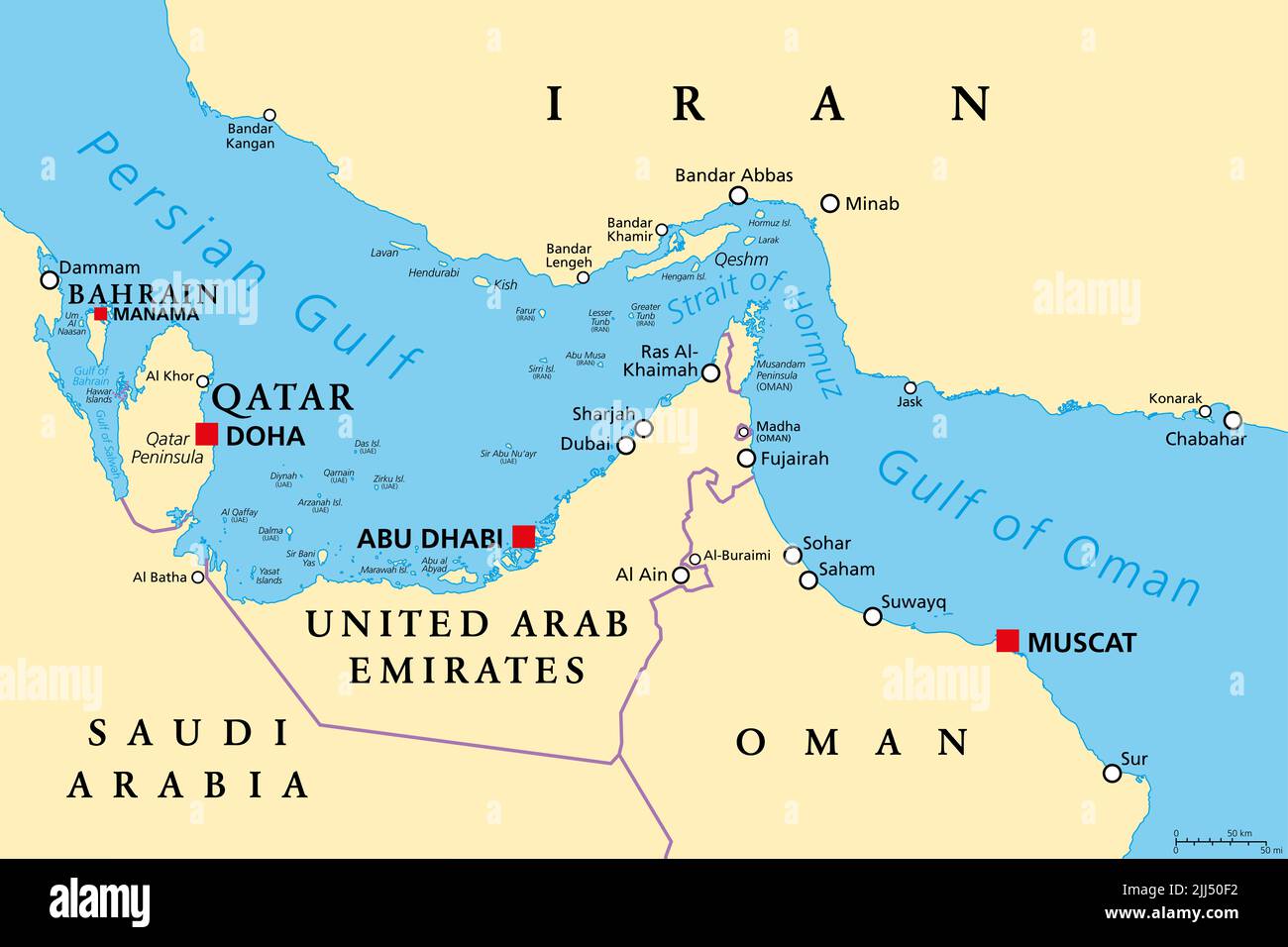
Yes, but with limited capacity. Saudi Arabia and the UAE have pipelines that transport oil to the Red Sea and the Gulf of Oman. However, these cannot handle the full volume of the region’s exports, and countries like Kuwait, Iraq, and Qatar have almost no viable alternatives for their primary exports.
What is the difference between a blockade and “harassment” in the strait?
A blockade is a formal attempt to stop all traffic, which is an act of war. “Harassment” involves the seizure of individual ships, the use of drones, or “shadow war” tactics. Harassment is more common because it achieves the goal of creating instability and raising insurance rates without triggering a full-scale military response from the West.
How does the “nuclear option” relate to Iran’s actual nuclear program?
They are complementary tools of deterrence. The nuclear program is a long-term strategic goal to prevent foreign intervention. The “nuclear option” of the Strait of Hormuz is a short-term, tactical tool used for immediate diplomatic leverage. Together, they create a multi-layered shield that makes any external attempt to change Iran’s government extremely risky.
Who is responsible for policing the Strait of Hormuz?
While the strait is an international waterway, the U.S. Fifth Fleet, based in Bahrain, provides the primary security umbrella. They are often joined by international coalitions (such as Operation Sentinel) to escort tankers and deter Iranian interference.
As the global energy landscape shifts and geopolitical alliances evolve, the Strait of Hormuz remains the ultimate pressure point. The ability to disrupt this waterway is not just a military capability; it is a permanent feature of the regional power dynamic. For the international community, the challenge is not “solving” the problem of the strait—as geography cannot be solved—but managing the risk of a lever that Tehran knows exactly how to pull. Monitoring the balance between maritime security and diplomatic engagement will remain the primary focus for global energy markets for the foreseeable future.
