White-nose syndrome reaches Jasper, raising concerns for local bat populations – Jasper Local
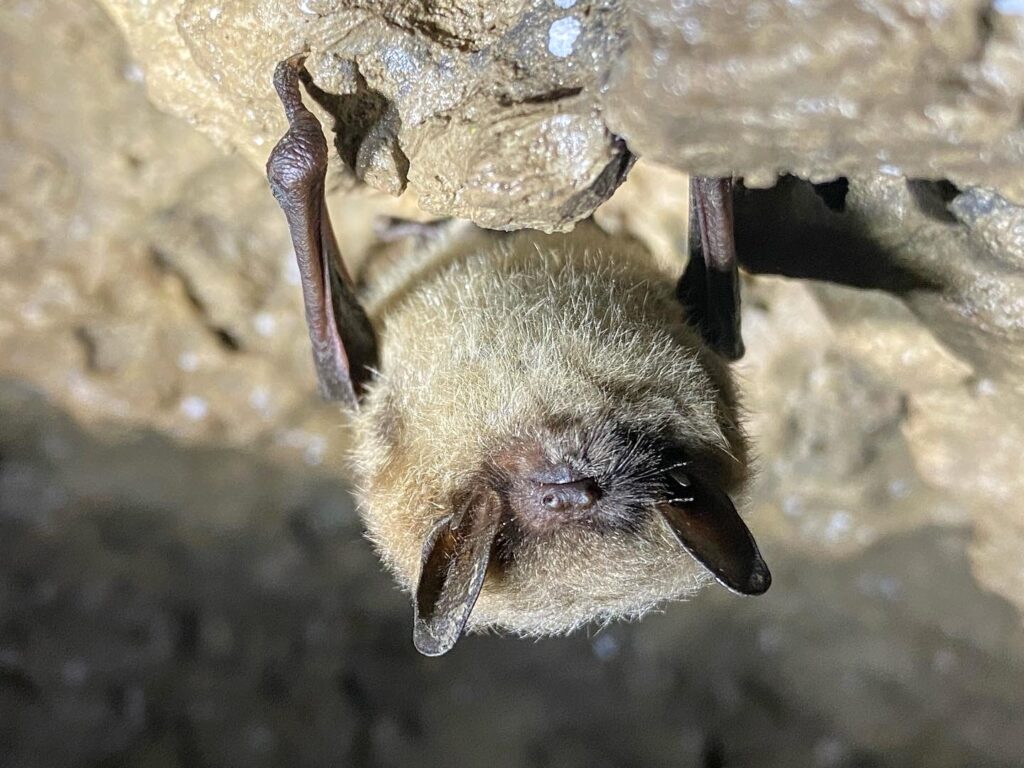
White-nose syndrome has reached Jasper, prompting urgent concerns for the health and stability of local bat populations. In response to the detection of the fungal disease, the Sunshine Coast Wildlife Project is currently recruiting volunteers to participate in a critical bat count to assess the scale of the impact and inform conservation efforts.
The Current Situation in Jasper
The arrival of white-nose syndrome in Jasper represents a significant threat to the region’s ecological balance. This fungal infection specifically targets bats during their hibernation period, often leading to high mortality rates if left unmanaged. Local wildlife observers and conservationists are now on high alert, as the presence of the disease in the area suggests that local colonies may already be at risk.
The primary concern is the potential for rapid spread across different roosting sites. Because bats often share hibernation caves or winter shelters, a single infected individual can introduce the fungus to an entire colony. This creates a precarious situation for Jasper’s native bats, which provide essential services to the local environment.
The detection of white-nose syndrome in Jasper is a call to action for the community to support monitoring efforts and protect the fragile habitats that these mammals rely on for survival.
The Role of the Sunshine Coast Wildlife Project
To combat the uncertainty surrounding the local bat population, the Sunshine Coast Wildlife Project has stepped forward to coordinate a systematic monitoring program. The organization is focusing on data collection to determine which colonies are affected and how the disease is progressing through the region.
Why a Bat Count is Necessary
Without accurate numbers, it is impossible for conservationists to know if a population is stable, declining, or recovering. A comprehensive bat count allows the Sunshine Coast Wildlife Project to:
- Establish a baseline population count for various local roosts.
- Identify “hotspots” where the fungus is most prevalent.
- Track the movement of bats between different habitats.
- Evaluate the effectiveness of potential mitigation strategies.
How Citizen Science Supports Local Wildlife
The project relies heavily on “citizen science,” where members of the public assist professional biologists in gathering data. Because bat colonies can be tucked away in remote caves, abandoned mines, or dense forests, having a wide network of volunteers increases the likelihood of finding and monitoring hidden populations. This collaborative approach turns local residents into the first line of defense for Jasper’s wildlife.

For those interested in contributing, the project provides the necessary training to ensure that counts are performed without disturbing the bats, which is crucial during their sensitive hibernation phase.
related explainer on wildlife conservation in the Sunshine Coast
Understanding the Threat of White-nose Syndrome
White-nose syndrome is not a typical illness; it is caused by a fungus that affects the skin of infected bats. The “white-nose” name comes from the visible white fungal growth that often appears on the muzzles and wings of affected animals.
How the Disease Affects Bats
The danger of the fungus lies in how it disrupts the natural biology of hibernation. Normally, bats enter a state of torpor to conserve energy during the winter. However, the fungus irritates the skin and disrupts their sleep patterns, causing bats to wake up more frequently than they should.
Every time a bat wakes up prematurely, it burns through its limited fat reserves. If the bat wakes up too often, it may run out of energy before spring arrives, leading to starvation. Additionally, these frequent awakenings often drive bats out of their warm hibernacula into the cold air, where they are more susceptible to the elements.
The Risk to Biodiversity
The loss of bat populations does not happen in a vacuum. Bats are a cornerstone species in many ecosystems. When their numbers drop, the ripple effects are felt across the entire food chain. In Jasper, the decline of bats could lead to an increase in nocturnal insect populations, which may affect local flora and agricultural stability.

| Impact Area | Effect of Bat Population Decline |
|---|---|
| Insect Control | Increase in pests, including mosquitoes and agricultural moths. |
| Pollination | Potential reduction in the pollination of specific night-blooming plants. |
| Food Chain | Reduced prey availability for larger nocturnal predators. |
The Ecological Importance of Bats
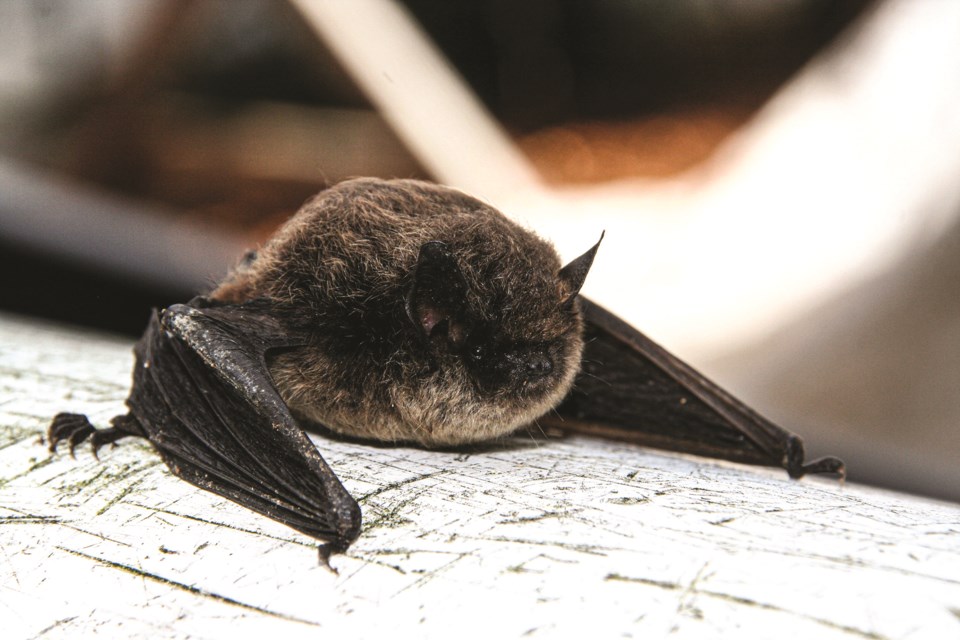
Many people view bats with apprehension, but they are among the most beneficial mammals for human environments. Their primary role as insectivores makes them natural pest controllers. A single bat can consume thousands of insects in a single night, significantly reducing the need for chemical pesticides in gardens and farms.
Beyond pest control, some bat species are vital pollinators. By moving from flower to flower to feed on nectar, they help maintain the genetic diversity of various plant species. In a region like Jasper, where biodiversity is a key asset, the protection of bats is synonymous with the protection of the wider landscape.
related guide on identifying local bat species
How Residents Can Help and Protect Local Populations
While the Sunshine Coast Wildlife Project handles the professional monitoring and counting, Jasper residents can take individual steps to help mitigate the spread of white-nose syndrome and support bat health.
Avoid Entering Bat Habitats
One of the fastest ways the fungus spreads is through human activity. People who visit caves or mines can accidentally carry fungal spores on their clothing, boots, or gear. To prevent the spread of white-nose syndrome, residents are urged to avoid entering known bat hibernacula, especially during the winter months.
Support Bat-Friendly Gardening
Providing a healthy environment for bats can help them build the fat reserves they need to survive the winter. Homeowners can help by:
- Installing bat houses in high, sheltered areas to provide safe roosting spots.
- Reducing the use of insecticides, which kills the bats’ primary food source and can poison the bats themselves.
- Planting native, night-blooming flowers to attract the insects that bats feed on.
Reporting Sightings
If you encounter a bat that appears sick—such as one found on the ground during winter or one with visible white growth on its nose—do not touch it with bare hands. Instead, report the sighting to the Sunshine Coast Wildlife Project or local wildlife authorities. Professional handling is required to prevent further spread of the fungus and to ensure the animal receives proper care.
Frequently Asked Questions
What is white-nose syndrome?
White-nose syndrome is a fungal disease that affects bats, primarily during their hibernation. It causes irritation to the skin and disrupts their sleep cycles, leading to increased energy expenditure and higher mortality rates during the winter.
Can humans catch white-nose syndrome?
No. White-nose syndrome is a species-specific fungal infection that affects bats. It does not pose a health risk to humans or domestic pets.
How can I volunteer for the bat count in Jasper?
Interested residents should contact the Sunshine Coast Wildlife Project. They provide the necessary training and guidelines to ensure that volunteers can help count bat populations without disturbing them or spreading the fungus.
Why are bats so important to Jasper’s environment?
Bats act as a natural form of pest control by eating massive quantities of insects every night. They also contribute to pollination and serve as a key part of the local food web, supporting overall biodiversity.
What should I do if I find a bat in my home?
Gently guide the bat toward an open window or door to let it leave on its own. If the bat is injured or appears sick, contact local wildlife professionals. Always wear gloves if you must handle a bat, as some bats can carry other diseases, such as rabies, which is unrelated to white-nose syndrome.
