Exploring the Edge of the Map: The Rise of Expedition Cruises to West Papua
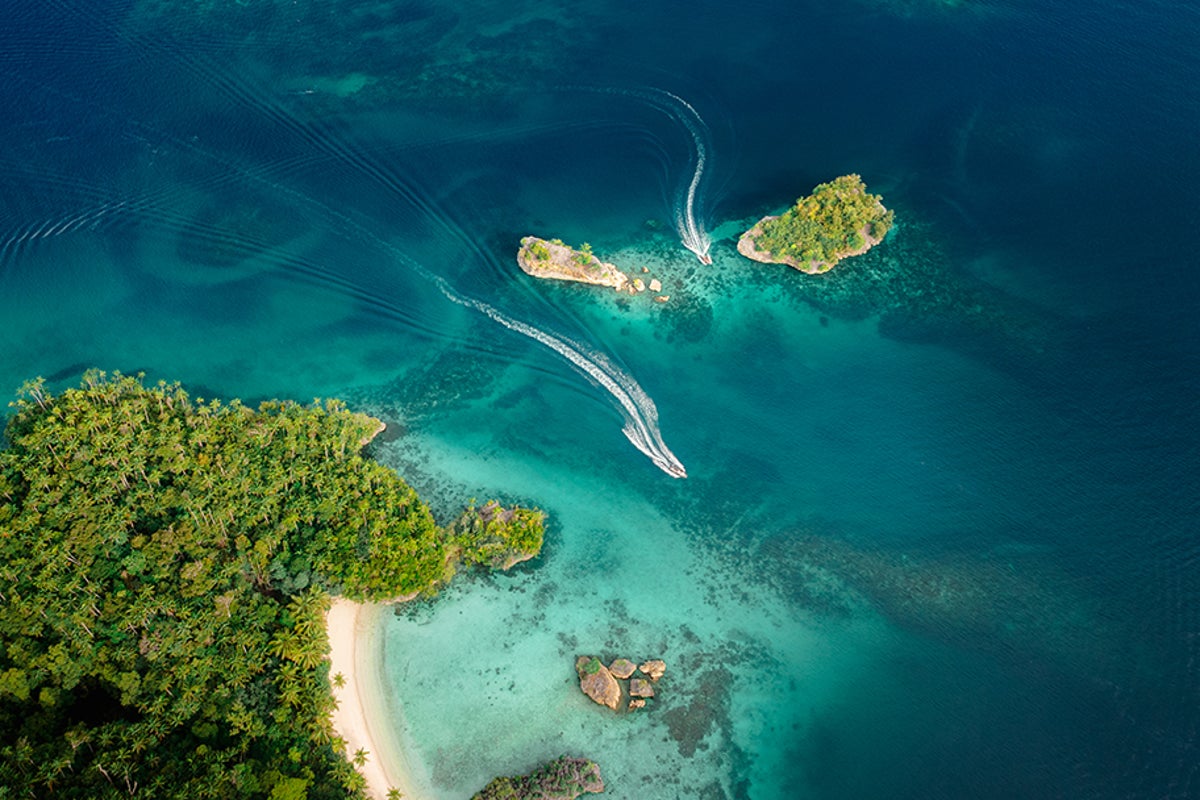
Expedition cruises to West Papua now offer access to the Raja Ampat archipelago, one of the most remote and biodiverse marine environments on Earth. These voyages focus on the “Coral Triangle,” providing travelers with guided access to untouched coral reefs, rare avian species, and indigenous coastal communities that remain largely isolated from global tourism hubs.
What makes the West Papua cruise experience unique?
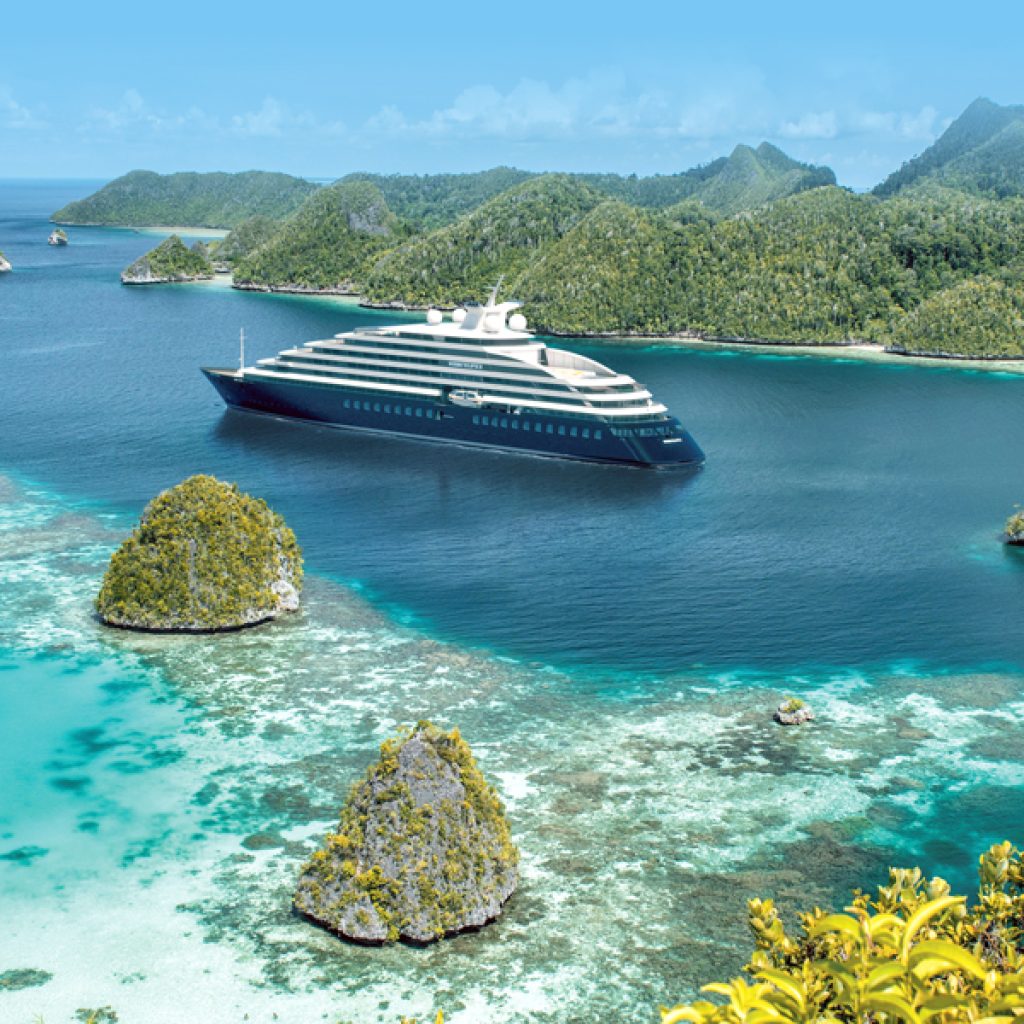
The primary draw of a West Papua cruise is the ability to reach the Bird’s Head Peninsula and the surrounding islands without relying on limited land-based infrastructure. According to regional tourism data, the Raja Ampat region consists of over 1,500 small islands, cays, and shoals surrounding the four main islands of Waigeo, Misool, Salawati, and Batanta. Because many of these locations lack hotels or roads, specialized expedition vessels serve as floating hotels, allowing passengers to wake up in a different remote bay each morning.
These cruises typically blend luxury amenities with rugged exploration. Ships are equipped with zodiacs for shore excursions and diving platforms for immediate access to the water. The focus is on “slow travel,” where the journey through the labyrinthine waterways is as significant as the destinations themselves.
Key features of these remote voyages include:
- Deep-water access: Reaching outer reefs that are inaccessible to day-trip boats from Sorong.
- Specialized guiding: Use of local Papuan guides who possess ancestral knowledge of the terrain and wildlife.
- Low-impact footprints: Many operators utilize small-ship formats to minimize environmental disruption in protected marine areas.
Why is West Papua considered one of the most remote places in the world?
Geographically, West Papua sits at the far eastern edge of the Indonesian archipelago, separated from the primary population centers of Java and Bali by thousands of miles of ocean and dense rainforest. The remoteness is not just a matter of distance, but of accessibility. According to logistical reports for the region, reaching the start point of these cruises usually requires multiple flights, often ending in the port city of Sorong, which serves as the gateway to the Raja Ampat islands.
Once past Sorong, the infrastructure drops off sharply. There are no highways connecting the islands, and communication networks are sporadic. This isolation has acted as a natural barrier, preserving the region’s ecology and culture from the mass tourism seen in other parts of Southeast Asia. For the traveler, this means encountering landscapes that look largely as they did centuries ago.
“The isolation of West Papua is its greatest asset, creating a sanctuary for species that have vanished elsewhere and maintaining a way of life dictated by the tides and the seasons rather than the clock.”
The Biodiversity of the Coral Triangle
The waters surrounding West Papua are the heart of the Coral Triangle, a region recognized by marine biologists as the global center of marine biodiversity. Research indicates that Raja Ampat holds the world record for the highest number of fish species recorded in a single dive. This is due to the unique convergence of currents from the Pacific and Indian Oceans, which bring nutrient-rich waters to the reefs.
Marine Life Highlights
Divers and snorkelers on these cruises frequently encounter species that are rare in other parts of the world. The Wobbegong shark, a carpet-like bottom dweller, is a staple of the region. Additionally, the pygmy seahorse and various species of manta rays congregate in “cleaning stations” throughout the archipelago.
Terrestrial Wonders
The remoteness extends to the land. The rainforests of West Papua are home to the Wilson’s Bird of Paradise and the Red Bird of Paradise. These birds are endemic to the region and are famous for their complex mating dances. Expedition cruises often include guided treks into the jungle at dawn to witness these displays, which are only possible because the habitat remains largely intact.
| Category | Key Species/Feature | Significance |
|---|---|---|
| Marine | Wobbegong Shark | Endemic ambush predator of the reef |
| Marine | Manta Rays | High concentration of cleaning stations |
| Avian | Bird of Paradise | Endemic to New Guinea/West Papua |
| Botany | Mangrove Forests | Critical nurseries for reef fish |
How do these cruises operate logistically?
Organizing a trip to such a remote area requires precise planning. Most itineraries begin in Sorong, West Papua. From there, the cruise ship navigates through the Dampier Strait, moving between the larger islands and the smaller, unnamed islets.
Permits are a critical component of the logistics. Visitors must pay a Marine Park Entry Permit fee, which according to local authorities, goes toward the conservation and management of the protected areas. This funding supports patrols to prevent illegal fishing and poaching, which are constant threats in such a vast, unmonitored area.
The timing of these cruises is strictly dictated by the monsoon seasons. The best window for visiting is generally between October and April, when the seas are calmer and visibility for diving is at its peak. During the off-season, heavy rains and rough seas can make navigation through the narrow channels of Raja Ampat dangerous.
For those planning a trip, it is helpful to look at a related explainer on expedition cruise gear to ensure they have the necessary equipment for both tropical humidity and saltwater environments.
The socio-economic impact on local communities
The introduction of high-end expedition cruising into West Papua creates a complex economic dynamic. On one hand, it brings significant revenue to remote villages through the employment of local guides, boat captains, and the sale of traditional handicrafts. This provides an alternative to more destructive industries, such as industrial logging or shark finning.
On the other hand, the arrival of wealthy international tourists in villages that have little to no running water or electricity can highlight stark inequalities. Conservationists argue that “community-based tourism” is the only sustainable model. This involves ensuring that the local clans—who traditionally own the land and water rights—receive a direct share of the cruise profits.
Current community-led initiatives include:
- Homestay Networks: Some cruises incorporate overnight stays at local homestays to distribute wealth beyond the ship’s crew.
- Marine Protected Areas (MPAs): Local villages have established “no-take zones” where fishing is banned, funded in part by tourism levies.
- Education Programs: Tourism revenue is increasingly used to fund basic healthcare and schooling in the outer islands.
Comparing West Papua to other remote destinations
When analyzing the appeal of this West Papua cruise, it is often compared to other “bucket list” remote destinations like the Galápagos Islands or the Antarctic Peninsula. However, the experience differs in fundamental ways.
While the Galápagos is highly regulated with strict passenger quotas and fixed itineraries, West Papua offers a more fluid experience. The sheer size of the archipelago allows for more spontaneous exploration. Furthermore, while Antarctica is a study in minimalism and ice, West Papua is an explosion of color and biological density. The “information gain” for a traveler here is not just in seeing rare animals, but in experiencing one of the few remaining places where the jungle meets the reef in a nearly pristine state.
Unlike the Maldives, which offers luxury in a controlled, resort-centric environment, West Papua cruises are true expeditions. The “luxury” is found in the exclusivity of the location and the quality of the vessel, rather than in manicured beaches and infinity pools.
Environmental challenges and the “Last Chance” tourism paradox
The promotion of “this West Papua cruise takes you to one of the most remote places in the world” highlights a growing trend known as “last chance tourism.” This is the drive to visit endangered or fragile ecosystems before they are irrevocably changed by climate change or human encroachment.
Environmentalists warn that increasing cruise traffic can lead to several issues:
- Anchor Damage: Large ships can destroy centuries-old coral colonies if not moored correctly.
- Waste Management: The lack of shore-based waste facilities means ships must be entirely self-sufficient in processing sewage and plastics.
- Wildlife Stress: Frequent visits to Bird of Paradise lekking sites can disrupt the mating habits of the birds.
To combat this, many modern expedition lines have adopted “green” technologies, such as dynamic positioning systems that allow ships to hover over a spot without dropping an anchor, and strict “no-trace” policies for shore excursions.
Common misconceptions about visiting West Papua
Many potential travelers harbor misconceptions about the safety and comfort of visiting such a remote region. One common myth is that the area is entirely devoid of medical facilities. While it is true that the outer islands have nothing, the port cities and some larger islands have basic clinics, and most expedition cruises carry a certified wilderness medic or doctor on board.
Another misconception is that the region is “undiscovered.” In reality, the indigenous Papuan people have inhabited these islands for millennia. The “remoteness” is a perspective from the lens of Western tourism, not a reflection of the local reality. Professional cruises now emphasize “cultural exchange” over “discovery,” framing the trip as a visit to a living culture rather than an exploration of a void.
Finally, some believe that diving certification is required to enjoy the cruise. While diving is a highlight, the shallow reefs of Raja Ampat are some of the best in the world for snorkeling, making the experience accessible to non-divers.
Preparing for a voyage to the edge of the world
Travelers heading to West Papua must prepare for an environment that is uncompromising. The humidity is constant, and the sun is intense. Because the cruises operate in a remote area, there is no “running to the store” for forgotten items. Packing lists typically emphasize breathable, quick-dry clothing, high-SPF reef-safe sunscreen, and robust insect repellent to protect against malaria and dengue fever.
Health precautions are mandatory. According to international health guidelines, travelers should consult a travel clinic regarding malaria prophylaxis and ensure all routine vaccinations are up to date. The remoteness of the destination means that emergency evacuations are costly and time-consuming, making preventative health the priority.
For those interested in the broader region, a guide to Indonesian archipelago travel can provide context on how West Papua fits into the larger geopolitical and cultural landscape of the country.
Frequently Asked Questions
How do I get to the start of a West Papua cruise?
Most cruises begin in Sorong, the main port city of West Papua. Travelers typically fly into Sorong (SOQ) via Jakarta, Makassar, or Manado. From the airport, a short transfer takes you to the harbor where the expedition vessel is docked.
Is it safe to travel to West Papua?
The Raja Ampat islands are generally very safe for tourists. While there are political tensions in the highlands of West Papua, the coastal and island regions visited by cruises are peaceful and welcoming. It is always recommended to check current government travel advisories before departure.

What is the best time of year for a West Papua cruise?
The peak season is from October to April. During this window, the seas are generally calmer, and the weather is more predictable, which is essential for navigating the remote channels and ensuring high visibility for diving and snorkeling.
Do I need a visa to visit West Papua?
Since West Papua is part of Indonesia, you need a valid Indonesian visa. Many nationalities are eligible for a Visa on Arrival (VoA) or an e-Visa. Ensure your passport is valid for at least six months beyond your date of entry.
Can children join these remote expedition cruises?
While some luxury expedition cruises welcome families, many are geared toward adults due to the nature of the activities (long diving sessions, jungle trekking). It is important to check the specific operator’s age policy and the suitability of the ship’s facilities for children.
How do these cruises help the environment?
Reputable operators contribute to the local economy and conservation efforts through the mandatory Marine Park Entry Permit. Many also partner with NGOs to monitor reef health and employ local residents as rangers to stop illegal fishing in the protected zones.
