
Wall Street’s tech giants suffered their steepest sell-off in months as chip demand concerns and slowing AI investment triggered a double-digit rout across major indices, with the Nasdaq Composite plunging more than 3% in a single session. The downturn, driven by semiconductor underperformance and profit warnings from key players, underscores growing jitters about the sustainability of the AI-driven growth that had propped up valuations for years.
Why the Nasdaq is leading the sell-off—and what it means for investors
The Nasdaq Composite’s 3.1% drop on Tuesday marked its worst performance since November, according to trading data, as shares of Nvidia, Advanced Micro Devices and other chipmakers tumbled on reports of weakening demand for AI hardware. Nvidia, the sector’s dominant player, saw its stock price fall nearly 10% in a single day—erasing over $200 billion in market value—after the company’s CEO, Jensen Huang, signaled slower-than-expected growth in data-center sales, a key driver of its revenue.
“The market is pricing in a reality check,” said a senior analyst at a Frankfurt-based investment firm, who requested anonymity. “Tech investors had bet heavily on AI as the next decade’s growth engine, but now they’re asking: How much of that growth is real, and how much is hype?”
AMD’s shares also declined nearly 8% after the company warned of weaker-than-expected demand for its AI-accelerated chips, citing delays in customer deployments. Meanwhile, Super Micro Computer, a key server supplier to data centers, reported a 20% drop in revenue for its latest quarter, further fueling concerns about the pace of AI infrastructure spending.
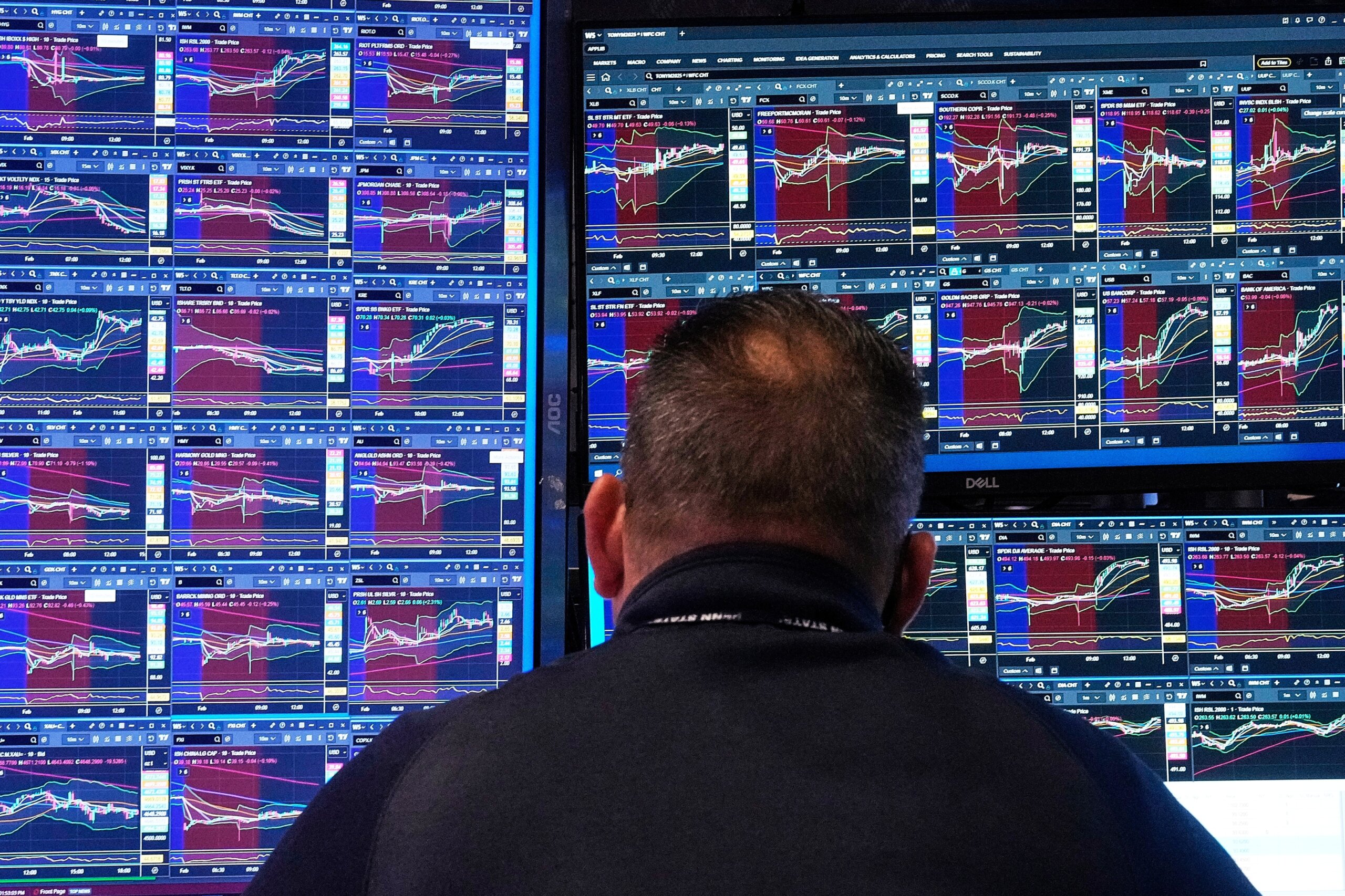
How chip demand is reshaping the AI boom—and who’s most exposed
The sell-off reflects broader unease about the transition from AI hype to actual commercial adoption. While companies like Microsoft and Google have ramped up cloud spending to support generative AI tools, the actual deployment of these systems—especially in industries outside tech—remains sluggish. Analysts at a major European bank noted that enterprise adoption of AI remains concentrated in a handful of sectors, leaving many tech stocks vulnerable to a pullback.
A comparison of recent earnings reports shows the divergence: Nvidia’s revenue growth slowed to 17% year-over-year in its latest quarter, down from 250% in early 2023, while AMD’s AI chip sales grew just 12% in the same period. “The market is realizing that AI isn’t a one-time spending spree—it’s a multi-year investment cycle,” said a semiconductor industry veteran with 20 years of experience. “Companies are now asking whether they’ve overbuilt capacity.”
Beyond chips, broader tech exposure is feeling the pressure. Meta Platforms, which had seen its stock rally on AI-related bets, dropped nearly 5% after reporting slower-than-expected growth in its Reality Labs division. Meanwhile, Tesla’s shares fell 6% as investors questioned the company’s ability to sustain margins amid rising competition in the electric vehicle market.
What’s next for the Nasdaq—and whether this is just a correction or a trend
Short-term, traders are watching for signs of further profit warnings from chipmakers, particularly ahead of Intel’s earnings report next week. The company, which has lagged behind Nvidia and AMD in AI chip adoption, faces pressure to demonstrate progress in its foundry business, a critical area for its long-term growth.

Longer-term, the sell-off could accelerate a rotation out of high-growth tech stocks and into more stable sectors like utilities and healthcare, where valuations remain more conservative. “This isn’t a 2000-style bubble yet, but it’s a reminder that AI-driven growth isn’t infinite,” said an equity strategist at a German investment house. “Investors are starting to differentiate between the companies that will actually monetize AI and those that won’t.”
For now, the Nasdaq’s decline has dragged down broader market sentiment, with the S&P 500 also finishing down 2.3% on Tuesday. The question for investors isn’t just whether the sell-off will continue, but whether the AI-driven rally—once seen as unstoppable—has finally hit its first major speed bump.
