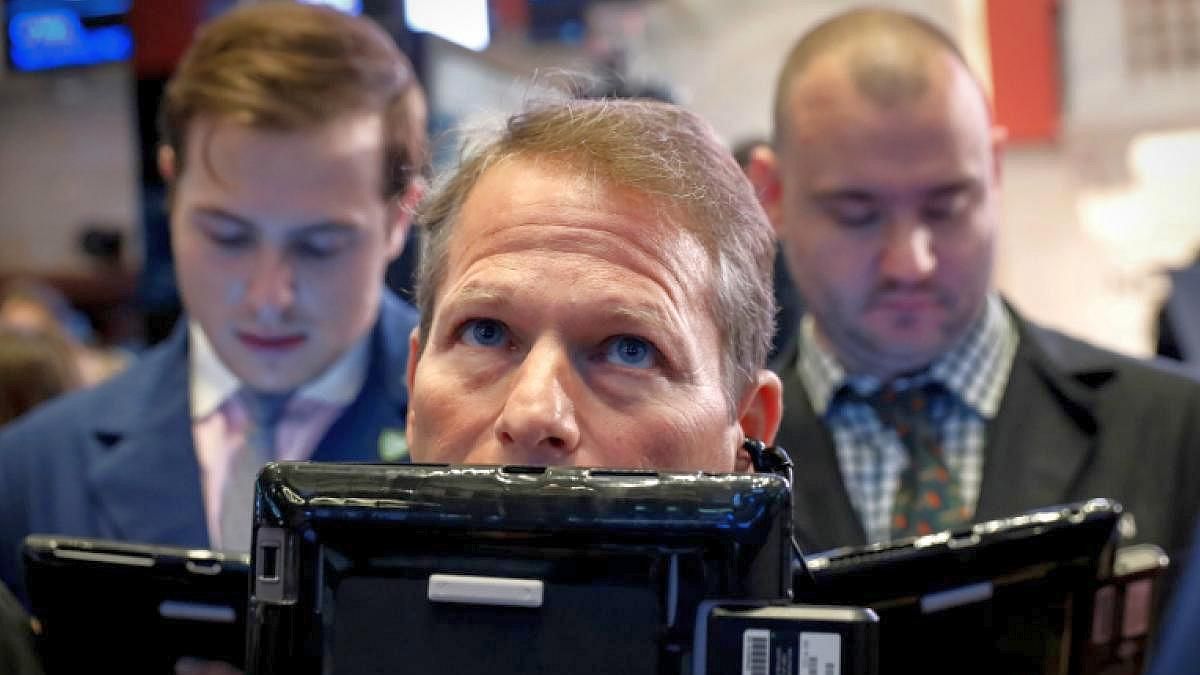
The Nasdaq plummeted 2.21% on June 23, 2026, leading a broader decline across Wall Street as investors triggered a massive sell-off in technology and chip stocks. According to reports from Infobae and La Nación, the slump reflects growing market anxiety regarding the sustainability of artificial intelligence investments.
- Nasdaq Performance: Fell 2.21%, leading U.S. market losses.
- Primary Driver: A concentrated sell-off in the technology and semiconductor sectors.
- Market Sentiment: Increased caution and “alerts” regarding AI-driven valuations.
- Other Indicators: Country risk fell to 421, according to Invertir Online.
Why the Nasdaq Dropped 2.21%
The tech-heavy Nasdaq led the downward trend in U.S. markets, closing with a 2.21% loss. According to Infobae, this decline was the sharpest among the major indices, signaling a concentrated retreat from high-growth technology equities. La Nación reported that Wall Street closed lower overall as a broad “wave of sales” hit the tech sector, erasing previous gains.

This movement suggests a shift in investor appetite. While tech has historically driven market growth, the current sell-off indicates a period of profit-taking or a reassessment of valuations within the sector.
How Chip Stock Volatility Triggered AI Alerts
The broader market instability was sparked by a collapse in semiconductor shares. According to Ambito, the crash in chip stocks didn’t just affect individual portfolios but “ignited alerts” regarding the future of artificial intelligence. Since chips are the physical infrastructure required to run AI models, a decline in these stocks often signals doubt about the actual ROI of AI integration in business.
TradingView noted that stocks were already preparing for this wave of sales, suggesting that the market had been pricing in a correction for the tech sector prior to the actual plunge.
What Other Economic Indicators Show
Despite the turmoil on Wall Street, some regional financial metrics showed improvement. Invertir Online reported that the Country Risk fell to 421 on the same day. This creates a contrast between the volatility of global equity markets—specifically in the U.S. tech sector—and the stabilizing risk profiles of certain sovereign debts.
For the average investor, this divergence highlights the difference between systemic risk (like a global tech bubble bursting) and sovereign risk (the likelihood of a government defaulting on its debt). While the tech sector struggled, the decrease in country risk suggests that certain fixed-income markets remained resilient.
