Waldorf Astoria Osaka Review: Jazz Age Glamour, Osaka Style – The MileLion
The luxury hospitality landscape in Japan has long been defined by a tension between the understated minimalism of traditional ryokans and the polished precision of international five-star brands. However, the arrival of the Waldorf Astoria in Osaka marks a bold departure from these norms. This is not merely another addition to the city’s skyline; it is a deliberate architectural and cultural statement. By blending the roaring opulence of the 1920s—the quintessential “Jazz Age”—with the vibrant, neon-lit energy of Osaka, the property attempts to create a new category of luxury that is as daring as it is refined.
For those seeking a Waldorf Astoria Osaka review: Jazz Age Glamour, Osaka Style – The MileLion perspective, the core of the experience lies in this juxtaposition. Osaka, often regarded as the more approachable, gritty, and culinary-focused sibling to Tokyo, provides the perfect backdrop for a hotel that celebrates excess, artistry, and a timeless sense of occasion. Situated within the ambitious Umekita redevelopment zone, the hotel serves as a beacon of the city’s evolution into a global hub for high-net-worth tourism and luxury commerce.
The Architectural Vision: Where Art Deco Meets the Kansai Pulse
The design philosophy of the Waldorf Astoria Osaka is a study in “calculated nostalgia.” The Jazz Age was characterized by a break from the past, a surge in optimism, and an obsession with geometric symmetry and lavish materials. The hotel translates this into a modern Japanese context, avoiding the trap of becoming a themed museum and instead opting for a “living” tribute to the era of Gatsby.
Upon entering, the sensory shift is immediate. The lobby eschews the stark whites and greys common in modern luxury for a palette of deep golds, rich velvets, and polished hardwoods. The use of brass accents and sweeping curves mirrors the streamlined aesthetics of 1930s ocean liners and grand metropolitan hotels, yet the execution is unmistakably Japanese in its attention to detail, and seamlessness.
The Umekita Context: A New Urban Epicenter
To understand the significance of this hotel, one must understand its location. The Umekita project is one of the most significant urban renewals in Japan’s recent history, transforming a former rail yard into a futuristic district of greenery and glass. The Waldorf Astoria sits at the heart of this transition.
- Strategic Positioning: The hotel bridges the gap between the commercial intensity of Umeda and the planned openness of the new Grand Green Osaka park.
- Economic Impact: Its presence signals a shift in Osaka’s strategy to attract luxury travelers who previously bypassed the city in favor of Kyoto or Tokyo.
- Accessibility: While maintaining an aura of exclusivity, the property remains integrated into the city’s hyper-efficient transit network.
“The Waldorf Astoria Osaka does not just occupy space in the city; it attempts to redefine the city’s relationship with luxury, moving away from the ‘quiet luxury’ trend toward something more expressive and celebratory.”
The Guest Experience: A Masterclass in Personalization
Luxury in Japan is often synonymous with Omotenashi—the art of selfless hospitality. At the Waldorf Astoria Osaka, this traditional Japanese ethos is fused with the “True Waldorf” service standard, which emphasizes anticipation over reaction. The result is a service model that feels intuitive rather than intrusive.
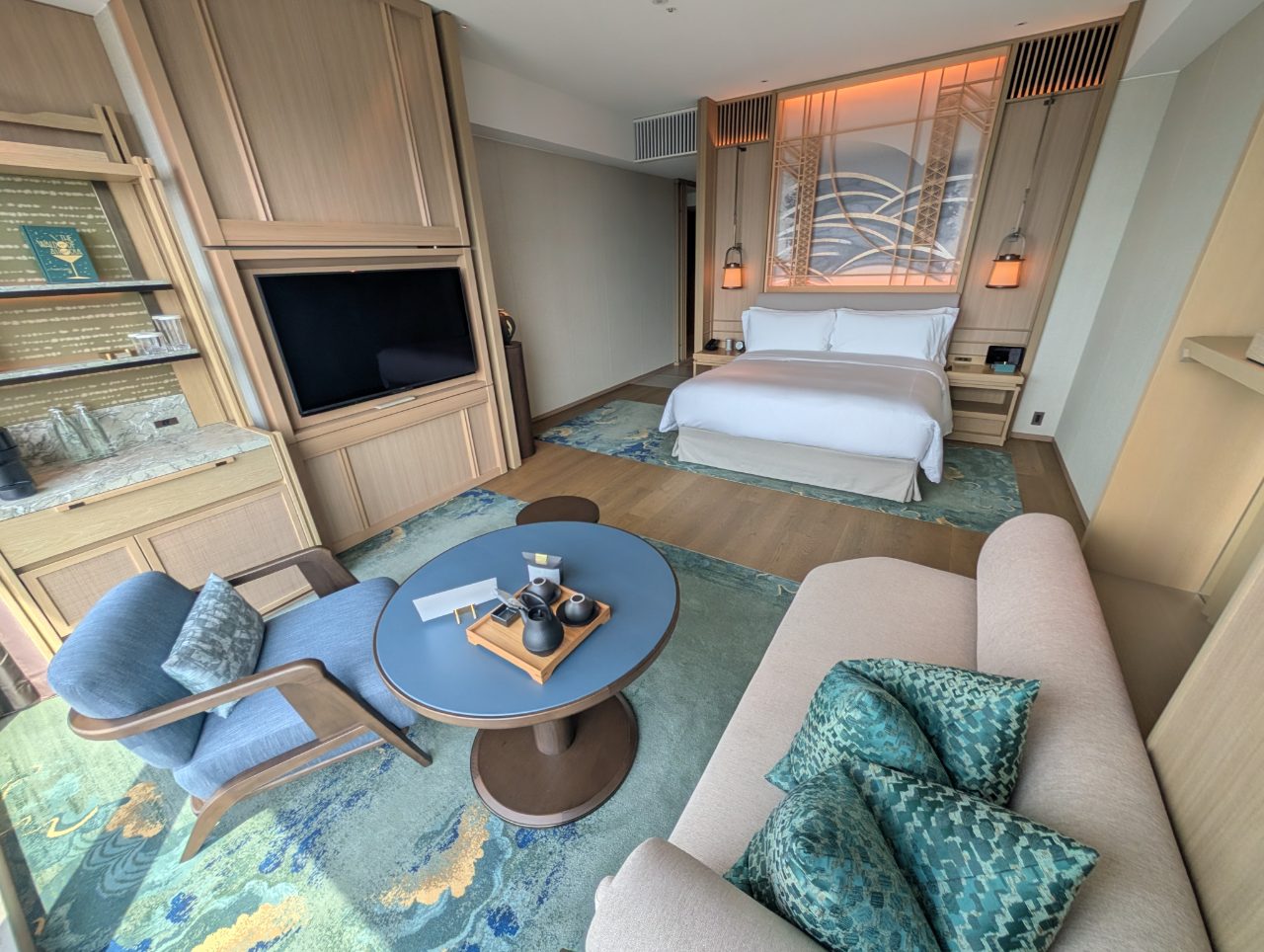
Accommodations: Sanctuaries of Gilded Calm
The rooms and suites are designed as private retreats from the sensory overload of Osaka. The “Jazz Age” theme is most evident here, not in overt ornamentation, but in the textures and proportions. High ceilings, heavy drapery, and bespoke furniture create an atmosphere of permanence and stability.
The integration of technology is handled with a “hidden” approach. Smart room controls are seamlessly embedded into the decor, ensuring that the digital age does not clash with the 1920s aesthetic. The bathrooms, in particular, are a highlight, featuring deep soaking tubs that pay homage to Japanese bathing culture while utilizing the finest Italian marbles.
The Suite Hierarchy
For those analyzing the Waldorf Astoria Osaka review: Jazz Age Glamour, Osaka Style – The MileLion, the distinction between room tiers is critical. The hotel offers everything from sophisticated entry-level rooms to sprawling presidential suites that function as independent apartments.
| Room Category | Key Feature | Ideal For |
|---|---|---|
| Deluxe Rooms | Sleek Art Deco accents & city views | Business travelers & couples |
| Executive Suites | Dedicated living areas & enhanced concierge | Long-stay luxury guests |
| Presidential Suite | Grand ballroom aesthetics & private dining | VVIPs & high-profile delegations |
Gastronomy and Nightlife: The Rhythm of the City
If the rooms provide the calm, the public spaces provide the rhythm. The dining and beverage program at the Waldorf Astoria Osaka is designed to mirror the social vibrancy of the Jazz Age, where the bar was the center of the universe.
:max_bytes(150000):strip_icc():format(jpeg)/TAL-header-exterior-waldorf-astoria-osaka-WAOSAKA0425-4843b6ceff7b49f9b0e7a44ea3f76e3a.jpg "Waldorf Astoria Osaka Review")
The Bar Scene: Cocktails and Crescendos
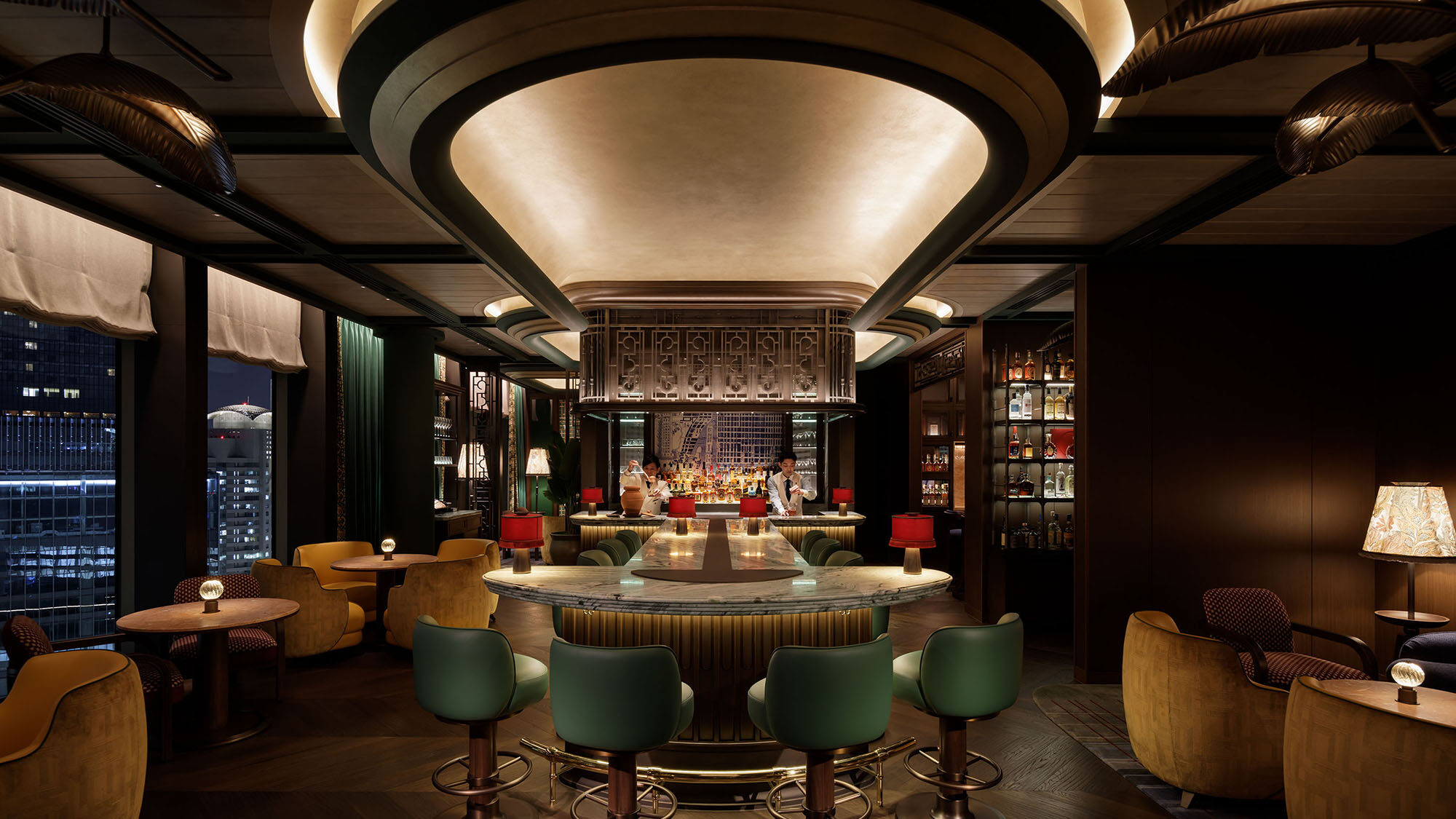
The hotel’s bars are perhaps the most successful implementation of the “Jazz Age” theme. With dim lighting, plush seating, and a curated soundtrack, these spaces evoke the clandestine feel of a 1920s speakeasy. The mixology program blends classic American cocktails (the Sidecar, the Bee’s Knees) with Japanese spirits and local ingredients, creating a bridge between New York glamour and Osaka’s culinary ingenuity.
Culinary Excellence
The restaurants move beyond simple luxury to offer a curated gastronomic journey. There is a clear emphasis on the “Osaka Style”—which means bold flavors and a commitment to the freshest ingredients. Whether it is a high-end teppanyaki experience or a refined French-Japanese fusion, the plating is as architectural as the building itself.
Key culinary highlights include:
- Seasonal Integration: Menus that shift rapidly to reflect the micro-seasons of Japan.
- Theatrical Presentation: Open kitchens that turn meal preparation into a performance, echoing the “showmanship” of the 1920s.
- Breakfast Rituals: A blend of lavish Western spreads and traditional Japanese breakfast sets, served with meticulous precision.
Industry Analysis: The Luxury War in Osaka
The opening of the Waldorf Astoria occurs during a period of intense competition. With the upcoming World Expo 2025 and the integrated resort (IR) projects on the horizon, Osaka is racing to become the luxury capital of Western Japan. The Waldorf Astoria’s strategy is to differentiate itself through “character.”
While other luxury brands may focus on “zen” or “ultra-modernism,” the Waldorf Astoria leans into maximalism. This is a calculated risk. In a market saturated with minimalism, the “Jazz Age Glamour” approach attracts a specific type of traveler: the one who wants their stay to feel like an event, not just a residence.
For a related explainer on Japanese luxury hotel trends, the trend is shifting toward “experiential luxury,” where the story of the hotel is as important as the thread count of the sheets. The Waldorf Astoria Osaka succeeds by selling a narrative of timelessness and celebration.
Comparative Positioning
When compared to other top-tier properties in the region, the Waldorf Astoria occupies a unique niche:
- Vs. Traditional Luxury: It is more flamboyant and “loud” than the classic luxury hotels of the 20th century.
- Vs. Modern Boutiques: It offers a scale and level of comprehensive service that smaller boutiques cannot match.
- Vs. The “Zen” Aesthetic: It replaces the silence of Zen with the energy of Jazz, making it a more stimulating environment for the social traveler.
Common Misconceptions About the Property
Because the branding emphasizes “Jazz Age Glamour,” some potential guests may worry that the hotel is a caricature or “too themed.” This is a misconception. The glamour is integrated into the quality of the materials—the weight of the brass, the depth of the velvet, the precision of the stonework—rather than superficial decorations.
:max_bytes(150000):strip_icc()/TAL-presidential-suite-waldorf-astoria-osaka-WAOSAKA0425-5409098176924ce8908abab31482aaa9.jpg "Waldorf Astoria Osaka Review Style")
Another common misunderstanding is that the hotel is isolated due to its location in the new Umekita district. In reality, the development is designed for walkability and seamless connectivity, making it a gateway to the rest of the city rather than an island of luxury.
Essential Insights for the Modern Traveler
To truly appreciate the Waldorf Astoria Osaka review: Jazz Age Glamour, Osaka Style – The MileLion experience, guests should approach their stay with a mindset of exploration. This is not a hotel where one simply sleeps; it is a place to be seen and to experience the intersection of two golden eras.
- Dress Code: While casual luxury is accepted, the atmosphere encourages guests to dress up, especially for evening cocktails.
- Must-Visit: The rooftop spaces and the signature bar are non-negotiable for anyone wanting to experience the “Jazz Age” vibe.
- Booking Tip: Request rooms facing the Umekita greenery for a balance of urban energy and natural tranquility.
Frequently Asked Questions
Does the Waldorf Astoria Osaka offer a traditional Japanese experience?
While the aesthetic is rooted in the American Jazz Age, the service is pure Omotenashi, and the dining options heavily feature Japanese ingredients and techniques, providing a balanced blend of both cultures.
How does the location in Umekita affect accessibility to downtown Osaka?
The hotel is centrally located in the newly developed Umekita area, providing excellent access to Osaka Station and the surrounding commercial districts, making it highly convenient for both business and leisure.
Is the “Jazz Age” theme overwhelming in the rooms?
No. The theme is executed through sophisticated materials and a refined color palette rather than literal decor, ensuring the rooms remain calming and functional sanctuaries.
What makes this hotel different from other luxury brands in Japan?
Its willingness to embrace maximalism and celebratory glamour. While many luxury hotels in Japan focus on minimalism, the Waldorf Astoria celebrates opulence and social energy.
Is the hotel suitable for business travelers?
Absolutely. Despite the glamorous aesthetic, it provides world-class business facilities, high-speed connectivity, and a location that is ideal for those attending meetings in the Umeda and Umekita districts.
As Osaka prepares for a new era of global attention, the Waldorf Astoria stands as a testament to the city’s ambition. By looking back to the 1920s to move forward into the 2020s, it has created a space that feels both nostalgic and pioneering. It is a destination for those who believe that luxury should not just be comfortable, but should be an evocative, cinematic experience that lingers long after check-out.
