
Timor-Leste PM to Visit Vietnam, Attend ASEAN Future Forum: A Strategic Step Toward Regional Integration
In a move that signals deepening diplomatic ties and a shared vision for Southeast Asian stability, the Prime Minister of Timor-Leste is scheduled to visit Vietnam to participate in the ASEAN Future Forum. This high-level visit comes at a critical juncture for Timor-Leste as the nation continues its rigorous journey toward full membership in the Association of Southeast Asian Nations (ASEAN), while Vietnam further cements its role as a pivotal diplomatic hub for regional cooperation.
The visit is not merely a bilateral encounter but is embedded within a broader series of high-impact events hosted by Vietnam. Beyond the ASEAN Future Forum, Hanoi is preparing for the ASEAN Cities Leaders Conference in June and has already hosted a critical forum focused on energy security and regional resilience. Together, these initiatives highlight a concerted effort to address the most pressing challenges facing the region—ranging from urban sustainability and energy independence to the geopolitical integration of new members.
The Strategic Significance of the Timor-Leste Prime Minister’s Visit
The announcement that the Timor-Leste PM will visit Vietnam to attend the ASEAN Future Forum underscores the importance of “soft diplomacy” and institutional alignment. For Timor-Leste, every high-level engagement with current ASEAN member states is a building block toward fulfilling the requirements for full accession. Vietnam, as a prominent and influential member of the bloc, provides a strategic partner for Timor-Leste in navigating the complexities of regional governance.
The ASEAN Future Forum serves as a forward-looking platform, designed to move beyond traditional diplomatic protocols and engage with the emerging trends that will define the next decade of Southeast Asian cooperation. By participating, the Prime Minister of Timor-Leste is positioning the nation not just as an applicant, but as an active contributor to the regional discourse on the future of the bloc.
| Event/Initiative | Primary Focus | Strategic Objective |
|---|---|---|
| ASEAN Future Forum | Forward-looking regional cooperation | Integrating new perspectives and planning long-term stability. |
| ASEAN Cities Leaders Conference | Urban governance and sustainability | Addressing rapid urbanization and smart city development in Hanoi. |
| Energy Security Forum | Regional resilience and power stability | Reducing energy vulnerability and promoting sustainable transitions. |
Timor-Leste’s Path to ASEAN Membership
Timor-Leste’s aspiration to join ASEAN is one of the most significant geopolitical developments in the region. The process is not merely administrative; it requires the alignment of legal frameworks, economic standards, and diplomatic synchronization. The Prime Minister’s presence at the ASEAN Future Forum suggests a focus on the “human” and “intellectual” side of this integration—building the relationships and shared understandings necessary for a seamless transition from observer status to full membership.
Key areas where Timor-Leste seeks alignment with ASEAN standards include:
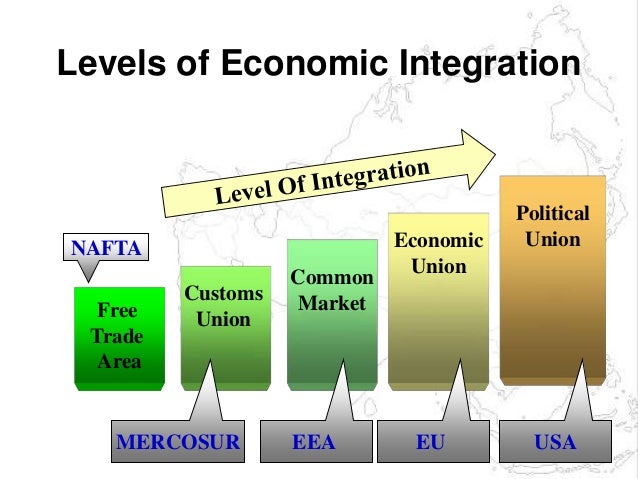
- Economic Integration: Adapting trade policies to fit the ASEAN Economic Community (AEC) frameworks.
- Institutional Capacity: Strengthening government ministries to engage with the various ASEAN sectoral bodies.
- Diplomatic Networking: Establishing strong bilateral ties with existing members, such as Vietnam, to secure consistent support for accession.
Vietnam as a Nexus for Regional Resilience
Vietnam’s hosting of multiple ASEAN-centric events—including the upcoming June conference for city leaders and the recent forum on energy security—demonstrates its ambition to be a leader in regional resilience. The concept of “regional resilience” in the current Southeast Asian context refers to the ability of the bloc to withstand external shocks, whether they be economic downturns, climate-related disasters, or geopolitical tensions.
The Energy Security and Regional Resilience Forum
One of the most critical pillars of the current regional strategy is energy security. Vietnam’s recent hosting of an ASEAN forum on this topic highlights a shared recognition that economic growth is unsustainable without a stable, diversified, and resilient energy infrastructure.

Energy security in ASEAN is complicated by varying levels of development among member states. While some nations are heavily reliant on fossil fuels, there is a regional push toward the ASEAN Power Grid—an initiative to link the electrical grids of member states to allow for the sharing of energy surpluses and the integration of renewable sources. By leading these discussions, Vietnam is positioning itself as a coordinator for the technical and political agreements required to make regional energy interdependence a reality.
“Regional resilience is not just about surviving a crisis, but about building systems—from energy grids to urban infrastructure—that are inherently capable of adapting to change.”
Hanoi’s Role in the ASEAN Cities Leaders Conference
In June, the focus will shift toward urban governance as Hanoi prepares to host the ASEAN Cities Leaders Conference. This event addresses a different but equally vital dimension of resilience: the management of mega-cities and rapidly growing urban centers.
As Southeast Asia experiences some of the fastest urbanization rates globally, cities are facing unprecedented pressure on housing, transportation, and waste management. The conference in Hanoi is expected to focus on:
- Smart City Integration: Utilizing technology to improve municipal efficiency and citizen services.
- Climate Adaptation: Developing urban infrastructure that can withstand the increasing frequency of floods and extreme weather events.
- Sustainable Urban Planning: Balancing economic growth with the preservation of green spaces and public health.
For the visiting Timor-Leste leadership, the insights from the Cities Leaders Conference are particularly relevant. As Dili and other urban centers in Timor-Leste grow, the models of sustainable development discussed in Hanoi can provide a blueprint for avoiding the pitfalls of unplanned urbanization.
Interconnected Goals: Diplomacy, Energy, and Urbanism
While the ASEAN Future Forum, the energy security discussions, and the cities conference may seem like disparate events, they are deeply interconnected. The overarching theme is the creation of a cohesive, stable, and modernized Southeast Asia.
The synergy between these events can be broken down as follows:
- Political Synergy: The visit of the Timor-Leste PM provides the political will and diplomatic momentum needed for the bloc to expand.
- Economic Synergy: Energy security provides the foundational power necessary for the industries and cities discussed at the Leaders Conference.
- Social Synergy: The “Future Forum” provides the intellectual framework to ensure that economic and urban growth benefit all citizens of the region, regardless of their country’s size or economic status.
Potential Challenges and Misconceptions
A common misconception regarding Timor-Leste’s accession to ASEAN is that it is a purely formal process. In reality, it is a rigorous transition. Some analysts suggest that the primary hurdle is not political will, but the capacity of Timor-Leste’s domestic institutions to handle the sheer volume of ASEAN’s commitments and committee meetings.
Similarly, there is often a belief that energy security is solely about finding new sources of fuel. However, as highlighted by the forums in Vietnam, modern energy security is increasingly about efficiency and diversification. The shift toward regional grids and renewable energy is as much about political sovereignty—reducing dependence on external energy providers—as it is about environmental sustainability.
Implications for the Future of ASEAN
The convergence of these events in Vietnam suggests a shift in how ASEAN operates. Rather than relying solely on the biennial summits, there is a growing trend toward specialized, thematic forums that produce actionable results in specific sectors like energy and urban planning.
For Timor-Leste, the Prime Minister’s visit is a signal to the rest of the region that the nation is ready to engage with these specialized challenges. It demonstrates that Timor-Leste does not wish to be a passive member of ASEAN, but a proactive partner in solving regional problems.
Vietnam’s proactive hosting of these events reinforces its status as a “middle power” capable of bridging gaps between the larger economies of the bloc and the smaller, emerging states. This diplomatic agility is essential for maintaining ASEAN centrality in an era of increasing competition between global superpowers.
| Pillar | Focus Area | Expected Outcome |
|---|---|---|
| Diplomatic | Timor-Leste Integration | Accelerated roadmap for full ASEAN membership. |
| Infrastructural | Urban Governance | Cross-border exchange of smart city best practices. |
| Strategic | Energy Security | Enhanced regional resilience through shared energy goals. |
What to Monitor in the Coming Months
As the visit of the Timor-Leste PM unfolds and the June conference in Hanoi approaches, several key indicators will reveal the success of these initiatives:
- Joint Statements: Watch for specific commitments regarding the timeline for Timor-Leste’s membership.
- Technical Agreements: Look for Memorandums of Understanding (MoUs) related to energy sharing or urban planning between Vietnam and other member states.
- Policy Shifts: Observe if the discussions at the ASEAN Future Forum lead to new initiatives focused on youth engagement or digital transformation across the bloc.
The integration of Timor-Leste into the ASEAN fold, supported by the strategic leadership of nations like Vietnam, represents a broader movement toward a more inclusive and resilient Southeast Asia. By addressing the “future” through forums and the “present” through energy and urban security, the region is attempting to build a comprehensive shield against the uncertainties of the 21st century.
Frequently Asked Questions
The visit is a strategic effort to strengthen bilateral ties with Vietnam and engage with the broader ASEAN community. As Timor-Leste seeks full membership in ASEAN, attending high-level forums allows its leadership to align with regional goals and build necessary diplomatic support.
What is the purpose of the ASEAN Future Forum?
The ASEAN Future Forum is designed as a platform for forward-looking discussions on the challenges and opportunities facing Southeast Asia. It focuses on long-term stability, innovation, and the evolving nature of regional cooperation.
How does the ASEAN Cities Leaders Conference in Hanoi contribute to regional goals?
The conference addresses the critical issue of rapid urbanization. By bringing together city leaders, the event aims to promote sustainable urban planning, smart city technologies, and climate resilience, ensuring that the region’s cities can grow without compromising quality of life or environmental health.
What is meant by “energy security and regional resilience” in the context of the Vietnam forum?
Energy security refers to the uninterrupted availability of energy sources at an affordable price. Regional resilience involves the collective ability of ASEAN nations to withstand economic or environmental shocks. The forum focuses on diversifying energy sources and potentially linking power grids to ensure no single nation is overly vulnerable to energy shortages.
Is Timor-Leste already a full member of ASEAN?
No, Timor-Leste currently holds observer status. It is working through a roadmap of institutional and economic reforms to meet the requirements for full membership, a process supported by current member states including Vietnam.
For those interested in the broader geopolitical shifts in the region, a related explainer on ASEAN accession processes provides further detail on the requirements for new member states.
