
Food Security Key to Global Stability and Development – Herald.co.zw: Analyzing the Hunger-Conflict Nexus
The intersection of caloric availability and geopolitical peace is not a coincidence; it is a fundamental law of sociology and economics. For decades, the international community has treated hunger as a humanitarian byproduct of crisis, but a shifting global landscape reveals a more sobering reality: food insecurity is often the primary driver of instability. The thesis that food security key to global stability and development – Herald.co.zw reflects a growing consensus among policymakers that without a resilient, accessible, and sustainable food system, the goals of global peace and economic prosperity remain unattainable.
Modern food crises are no longer isolated events triggered by a single failed harvest or a localized drought. Instead, they have evolved into systemic shocks—cascading failures where climate volatility, geopolitical friction, and economic inflation converge. When the price of a staple grain spikes in one hemisphere, the result is often civil unrest in another. This interconnectedness means that food security is no longer just an agricultural challenge; it is a cornerstone of national security and a prerequisite for any meaningful developmental progress.
The Evolving Architecture of Global Food Crises
To understand why current food security challenges are so volatile, one must first recognize that the nature of the “food crisis” has fundamentally changed. In the past, famines were often the result of acute production failures—a blight, a flood, or a sudden drought that decimated local yields. While these events were devastating, they were often geographically contained and addressed through direct food aid.
Today, we face “systemic insecurity.” What we have is characterized not necessarily by a global lack of food, but by a failure of distribution, affordability, and access. We are witnessing a paradox where the world produces enough calories to feed its population, yet millions remain malnourished because the economic and political mechanisms for delivery have broken down.
From Production Failures to Access Failures
The shift from production-based crises to access-based crises is critical. When food is available on the global market but becomes unaffordable due to currency devaluation or speculative trading, the resulting instability is more widespread. This “economic hunger” triggers rapid urbanization as rural populations flee failing farms, leading to overcrowded cities and a heightened risk of social explosion.
“The most dangerous form of instability is not the absence of food, but the perception of its unfair distribution. When the gap between caloric need and economic reach widens, the social contract dissolves.”
Key drivers of this systemic shift include:
- Hyper-specialization: A global reliance on a handful of “breadbasket” regions (such as the black soil regions of Eastern Europe or the American Midwest) means a single conflict or weather event can trigger a global price shock.
- Energy Interdependence: Modern agriculture is essentially the process of turning fossil fuels (via fertilizers and transport) into food. High energy prices translate directly into higher food costs.
- Climate Synchronization: We are seeing “multi-breadbasket failures,” where extreme weather hits several major producing regions simultaneously, removing the traditional safety net of diversifying sources.
Why Food Security is the Linchpin of Global Stability
The link between an empty stomach and a political uprising is well-documented. From the bread riots of the French Revolution to the catalysts of the Arab Spring, the cost of basic staples has historically served as a trigger for regime change and civil war. When people cannot feed their families, the perceived legitimacy of the governing body vanishes, creating a vacuum that is often filled by extremism or authoritarianism.
The Domino Effect: Food, Inflation, and Unrest
The mechanism of instability usually follows a predictable, albeit rapid, trajectory. It begins with a supply shock, leading to price inflation. For populations in developing nations, where a significant percentage of household income is spent on food, even a 10% increase in the price of wheat or rice can be catastrophic. This leads to a decline in purchasing power for other essential services, increasing poverty levels and fueling resentment toward the state.
| Stage of Crisis | Economic Trigger | Social Outcome | Stability Impact |
|---|---|---|---|
| Initial Shock | Crop failure or Trade blockade | Local price spikes | Low-level anxiety |
| Systemic Spread | Global commodity inflation | Reduced caloric intake | Widespread public discontent |
| Tipping Point | Currency collapse/Hyperinflation | Food riots and protests | Civil unrest or regime instability |
| Chronic State | Long-term malnutrition | Mass migration/Displacement | Regional conflict/State failure |
Food as a Tool of Geopolitical Leverage
Beyond internal stability, food has become a weapon of war and a tool of diplomacy. The strategic control of grain exports or fertilizer production allows powerful nations to exert pressure on smaller, food-dependent states. This “food diplomacy” can force political concessions, but it also creates a precarious global environment where food security is subject to the whims of geopolitical alignment rather than human need.
The Development Imperative: Beyond Survival
If food security is the floor upon which stability is built, it is also the ceiling that determines the height of human development. You cannot build a knowledge economy or a robust industrial sector on a foundation of malnutrition. The impact of food insecurity on development is multi-generational and systemic.
Cognitive Development and Human Capital
Malnutrition in the first 1,000 days of a child’s life causes irreversible stunting—not just physically, but cognitively. This represents a massive loss of potential human capital. A nation struggling with chronic food insecurity is effectively handicapping its future workforce, reducing its ability to innovate and compete in a globalized economy. Investing in nutrition is not “charity”; it is a strategic economic investment in human capital.
The Cycle of Poverty and Agriculture
In many developing regions, the people producing the food are the ones most likely to go hungry. This paradox is driven by a lack of infrastructure, poor storage facilities (leading to post-harvest loss), and unfair market access. Breaking this cycle requires a transition from subsistence farming to “agri-preneurship,” where farmers have the tools to add value to their crops and the means to store surpluses for lean times.
For those looking to understand the broader economic implications, a related explainer on sustainable agricultural financing provides deeper insight into how capital can be mobilized to stabilize rural economies.
Modern Drivers of Insecurity: The Triple Threat
To address the claim that food security key to global stability and development – Herald.co.zw, we must analyze the three primary forces currently undermining global food systems: Climate, Conflict, and Cost.
1. The Climate Catalyst
Climate change is acting as a “threat multiplier.” It doesn’t just create new problems; it exacerbates existing ones. Shifting rainfall patterns, saltwater intrusion in coastal deltas, and the proliferation of new pests are making traditional farming calendars obsolete. The danger lies in the unpredictability; farmers can no longer rely on ancestral knowledge to time their planting, leading to increased crop failures.
2. The Conflict Loop
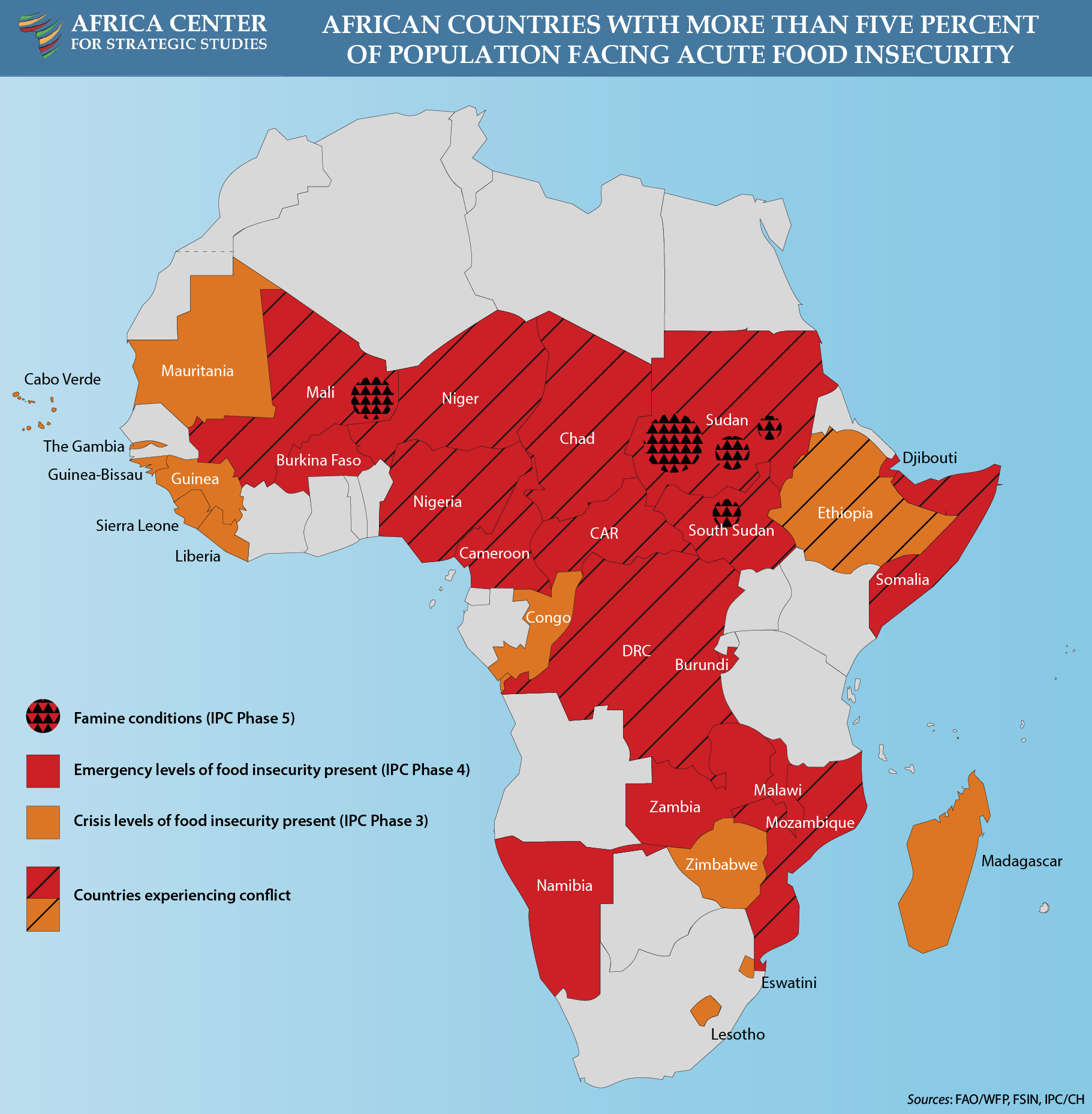
Conflict and hunger exist in a symbiotic, destructive loop. Conflict destroys agricultural infrastructure, displaces farmers, and disrupts trade routes, leading to food insecurity. In turn, the resulting hunger drives more people toward conflict, as desperate populations fight over dwindling resources or are recruited by armed groups promising food and protection.
3. The Cost of Complexity
The global food supply chain is a marvel of efficiency but a nightmare of fragility. “Just-in-time” delivery systems mean there is very little buffer when things go wrong. When a major shipping lane is blocked or a key port is closed due to political tension, the ripple effect is felt instantly in the price of bread thousands of miles away.
Correcting Common Misconceptions
In the discourse surrounding food security, several oversimplifications often mislead policymakers and the public. Addressing these is essential for creating viable solutions.
Misconception: “We just need to grow more food”
The prevailing myth is that the solution to hunger is simply increasing yields (the “Green Revolution” approach). However, the world already produces enough food to feed 10 billion people. The problem is waste and distribution. Roughly one-third of all food produced globally is lost or wasted. Increasing production without fixing the distribution chain only increases environmental degradation without solving hunger.
Misconception: “Food aid is the primary solution”
While emergency food aid saves lives during acute crises, it can inadvertently undermine long-term stability. Flooding a local market with free foreign grain can crash local prices, bankrupting the very farmers the region needs to build its own resilience. The shift must move from food aid to food sovereignty—empowering nations to produce and manage their own food systems.
Strategic Pathways to Global Resilience
Achieving a state where food security supports global stability requires a fundamental redesign of how the world feeds itself. This involves moving away from fragile, centralized systems toward decentralized, resilient networks.
Diversification of Staples
The world’s dangerous reliance on wheat, maize, and rice must be addressed. Promoting “orphan crops”—nutrient-dense, climate-resilient indigenous crops like millet, sorghum, and cassava—can reduce the impact of a single-crop failure. Diversification at the plate level increases nutritional security and reduces the geopolitical leverage of major grain exporters.
Regenerative Agriculture and Soil Health
Industrial agriculture has often traded long-term soil health for short-term yield. Regenerative practices—such as no-till farming, cover cropping, and agroforestry—restore the soil’s ability to hold water and sequester carbon. This makes farms more resilient to droughts and floods, reducing the likelihood of the production shocks that lead to instability.
Localized Supply Chains and “Circular” Food Systems
Reducing the distance between the farm and the fork decreases vulnerability to global shipping shocks. Investing in local processing facilities and cold-storage infrastructure allows communities to preserve their harvests and reduce waste, ensuring that food produced locally stays local during global crises.
For a deeper dive into the logistics of this transition, see our analysis of regional trade agreements and food sovereignty.
Frequently Asked Questions
Why is food security considered a matter of national security?
Food security is a national security issue because hunger acts as a catalyst for social unrest, political volatility, and mass migration. When a state cannot ensure the basic caloric needs of its citizens, it loses legitimacy, which often leads to civil strife, riots, or the collapse of government structures, creating instability that can spill over borders.

How does climate change specifically impact food stability?
Climate change introduces volatility. It causes “extreme weather events” (floods, droughts, heatwaves) that can wipe out entire harvests. It shifts the viable zones for certain crops, forcing farmers to adapt rapidly or abandon their land, which leads to economic displacement and increased pressure on urban centers.
What is the difference between food security and food sovereignty?
Food security focuses on whether people have access to enough food, regardless of where it comes from. Food sovereignty is the right of peoples to define their own agricultural and food policies, emphasizing local production and the ability of a community to control its own food sources without being dependent on volatile global markets.
Can technology alone solve the global food crisis?
Technology—such as CRISPR for drought-resistant seeds or AI for precision farming—is a powerful tool, but it is not a total solution. Without addressing the political and economic barriers to distribution, waste, and land rights, technology may only benefit large-scale industrial farms while leaving smallholder farmers behind.
What role do global commodity markets play in food insecurity?
Global markets allow for efficient trade, but they also enable speculation. When investors bet on the future price of grain, it can drive prices up even if there is no physical shortage. This financialization of food can make staples unaffordable for the world’s poorest populations, turning a manageable shortage into a full-blown crisis.
The trajectory of the 21st century will be defined by how we manage the tension between a growing population and a shrinking window of environmental stability. The recognition that food security key to global stability and development – Herald.co.zw is the first step toward a more secure world. The transition from a fragile, centralized food system to a resilient, diversified one is no longer an option—it is a necessity for the survival of the global order. As the boundaries between ecology, economy, and security continue to blur, the ability to feed the world will remain the ultimate measure of global success.
