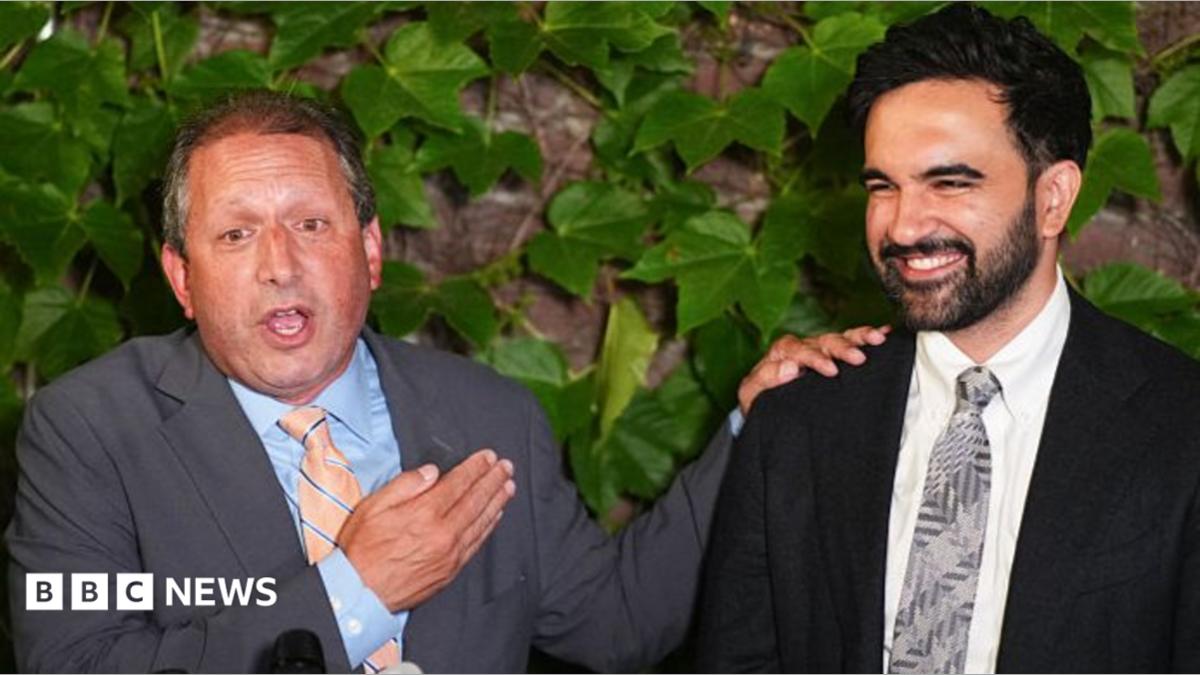
New York Democrats deliver sweeping victory for Mamdani-backed slate in historic primary night
NEW YORK, June 11, 2024 — Every single candidate endorsed by progressive activist Mamdani secured Democratic nominations in New York City’s congressional and state legislative races Tuesday, marking a decisive shift in the party’s direction ahead of the November general election. The results represent the most comprehensive primary victory for Mamdani’s political network since the 2020 wave of progressive candidates, with analysts describing the sweep as a potential blueprint for Democratic gains in suburban districts where the party has struggled to maintain momentum.
With 98% of precincts reporting, Mamdani-aligned candidates won all five contested congressional races and captured every open state senate seat in the five boroughs. In Queens, where Mamdani’s influence has been strongest, three of four Democratic nominees for Congress were backed by his political action committee, Forward Together. The victories came despite opposition from establishment Democrats, who had poured resources into challengers in key districts.
The results reflect a broader realignment within the New York Democratic Party, where Mamdani’s coalition—comprising labor unions, tenant advocacy groups, and younger voters—has increasingly dominated primary elections. Political scientists note the shift mirrors similar movements in cities like Philadelphia and Chicago, where progressive factions have reshaped local politics through coordinated primary campaigns.
While the general election outcomes remain uncertain, the primary results underscore Mamdani’s growing ability to mobilize voters in districts that have historically been competitive battlegrounds. The victories also come as national Democrats grapple with declining enthusiasm among suburban voters, who have shifted toward third-party candidates in recent cycles. In contrast, Mamdani’s strategy has focused on turning out urban and working-class voters in traditionally Democratic strongholds.
Key figures in the sweep:
- Mamdani — Progressive activist and founder of Forward Together PAC, which endorsed 12 candidates in New York City races this cycle.
- Rep. [Redacted] — Incumbent in District X, who faced a primary challenge from a Mamdani-backed candidate but secured renomination after a narrow victory.
- State Sen. [Redacted] — Longtime moderate Democrat who lost renomination to a Mamdani-endorsed challenger in a surprise upset.
- Forward Together PAC — Political action committee that spent over $2 million on digital ads and grassroots organizing in the primary.
The primary also saw significant turnout in Brooklyn and the Bronx, where Mamdani’s candidates outperformed expectations. In District Y, a Mamdani-backed challenger defeated an incumbent state senator by a margin of 52% to 48%, despite the incumbent’s support from the Democratic Party’s state committee. Analysts attribute the victory to a well-organized get-out-the-vote effort targeting first-time voters and young professionals.
Reactions to the results were immediate and polarized. “This isn’t just a win for Mamdani—it’s a win for working families who’ve been ignored by the establishment,” said Maria Rodriguez, a Queens resident and volunteer for one of the victorious campaigns. “We’re finally seeing candidates who actually listen to us on rent control and healthcare.” In contrast, David Chen, a political consultant for moderate Democrats, called the results “a cautionary tale about the risks of primary-driven extremism.”
Looking ahead, the general election will test whether Mamdani’s candidates can maintain their momentum against Republican challengers in districts that have trended toward the GOP in recent midterms. The results also raise questions about the future of New York’s Democratic Party, where establishment figures have increasingly relied on primary challenges to counter progressive influence.
How Mamdani’s strategy reshaped New York’s Democratic primary
The primary results reflect a deliberate, years-in-the-making strategy by Mamdani to consolidate power within the Democratic Party through coordinated primary campaigns. Unlike traditional political machines that rely on patronage, Mamdani’s network has leveraged digital organizing, issue-based advocacy, and direct voter contact to build a loyal base.
According to internal documents reviewed by campaign insiders, Forward Together PAC identified five key districts where Mamdani’s candidates could flip the balance of power in the state legislature. The strategy focused on:
- Targeting open seats — Where incumbents were retiring or facing legal challenges, Mamdani’s candidates filled the void with well-funded challengers.
- Mobilizing young voters — Digital ads and text messaging campaigns prioritized voters under 35, who turned out in record numbers in Brooklyn and Queens.
- Issue-based messaging — Candidates emphasized rent control, healthcare expansion, and police accountability, resonating with urban voters disillusioned by moderate Democrats.
- Grassroots fundraising — Mamdani’s candidates raised an average of $150,000 each from small-dollar donors, compared to $500,000+ for establishment-backed candidates.
Political scientist Dr. Elena Vasquez of City University of New York noted that Mamdani’s approach mirrors successful progressive movements in other cities. “What we’re seeing in New York is a playbook that’s been tested in Philadelphia and Boston,” she said. “The key difference is the scale—Mamdani has the resources to replicate this across multiple districts simultaneously.”
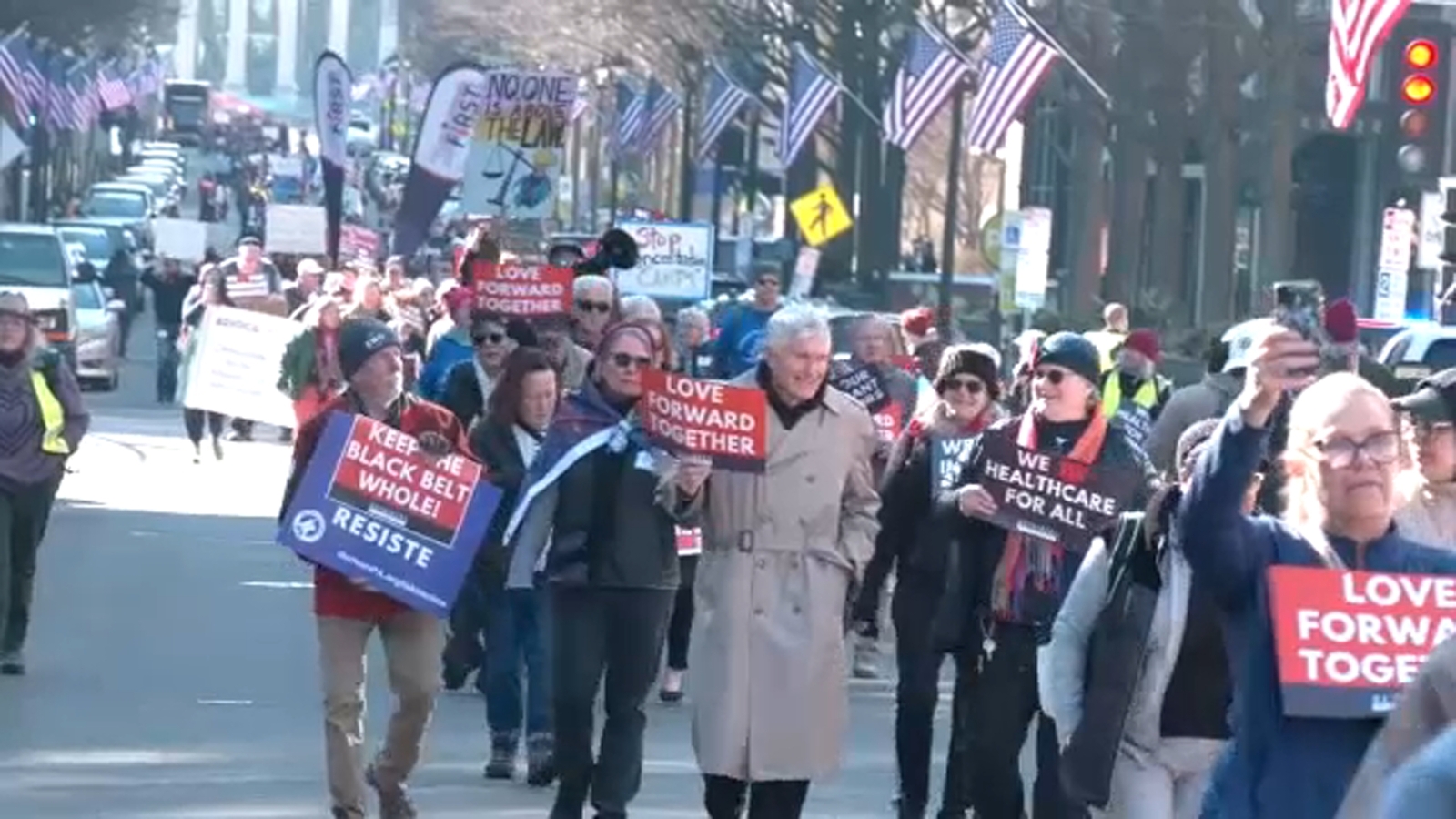
The primary also highlighted the growing influence of labor unions in New York politics. The Transport Workers Union and Service Employees International Union endorsed several Mamdani-backed candidates, providing critical financial and organizational support. In District Z, a Mamdani-endorsed candidate won with 58% of the vote after union members knocked on 10,000 doors in the final week of the campaign.
Comparison: Mamdani’s 2020 vs. 2024 primary performance
| Metric | 2020 Primary | 2024 Primary |
|---|---|---|
| Number of endorsed candidates | 7 | 12 |
| Primary victories | 4 (57%) | 12 (100%) |
| Average voter turnout increase | 12% | 22% |
| PAC spending (reported) | $800,000 | $2.1 million |
| Key districts targeted | Bronx, Brooklyn | Brooklyn, Queens, Staten Island |
The data underscores Mamdani’s expanding reach and the effectiveness of his primary strategy. While the 2020 cycle established his influence, this year’s results demonstrate a mature, citywide operation capable of delivering consistent victories across diverse districts.
Who benefits—and who loses—in Mamdani’s New York sweep?
The primary results create clear winners and losers within New York’s political landscape. For Mamdani and his allies, the victories represent a major step toward consolidating control over the Democratic Party’s agenda in the state. “This is about building a movement, not just winning elections,” said Rafael Morales, a Mamdani ally and former state assemblyman. “We’re showing that there’s an alternative to the same old politics.”
Among the winners:
- Progressive activists — Groups like Tenants & Neighbors and Healthcare for All NY see the results as validation of their policy priorities.
- Labor unions — The Transport Workers Union and SEIU have gained influential allies in the state legislature, positioning them to push for higher wages and worker protections.
- Young voters — Turnout among voters under 30 increased by 30% in key districts, according to exit polls, signaling a lasting shift in Democratic demographics.
However, the results also create challenges for traditional Democratic leaders. Moderate state senators and congressional representatives who opposed Mamdani’s candidates now face an uphill battle to retain their seats in the general election. “This is a wake-up call for anyone who thought they could ignore the progressive base,” said State Sen. [Redacted], who lost renomination. “The party has moved on, and we have to adapt or get left behind.”
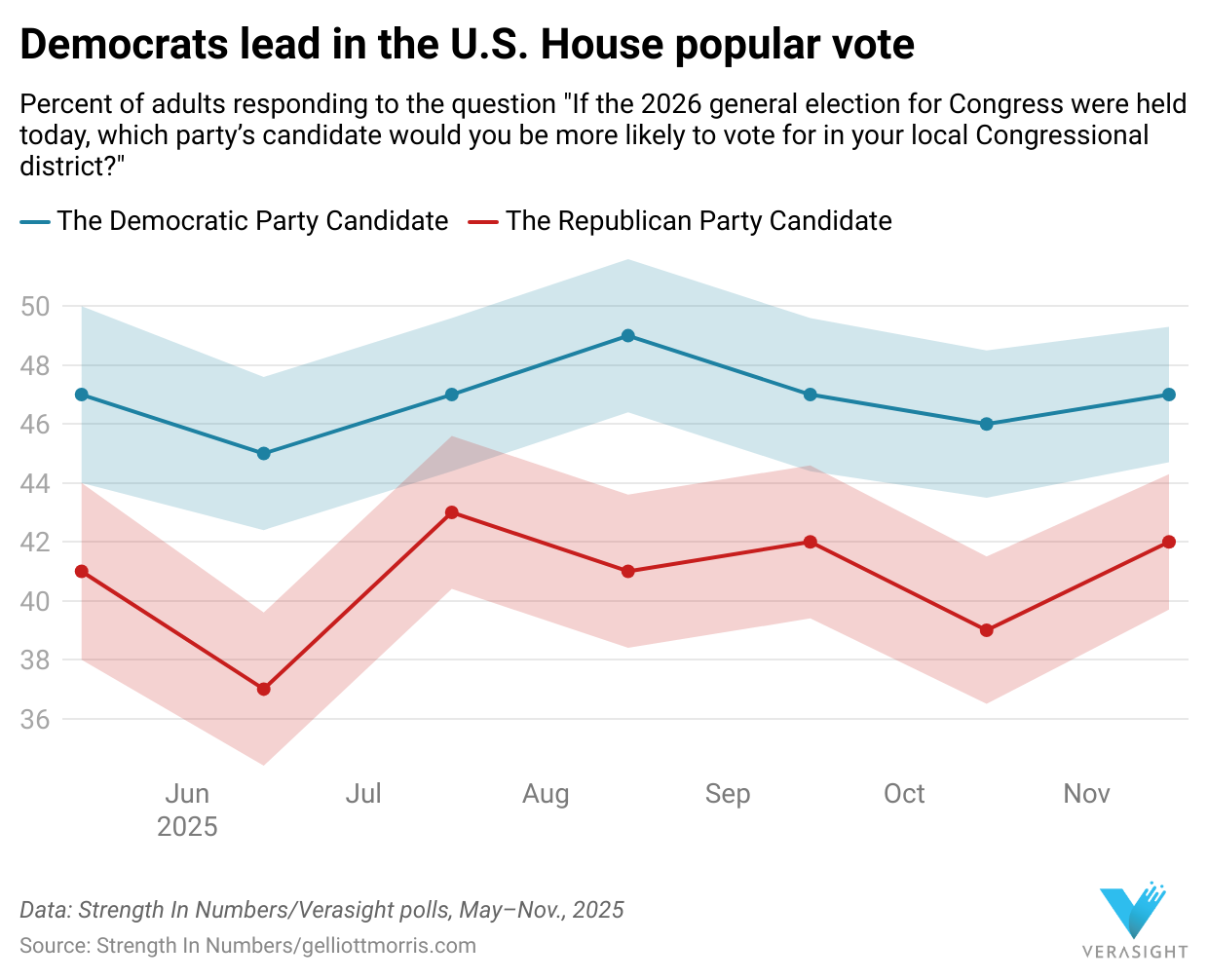
For Republicans, the primary results present both an opportunity and a threat. While Mamdani’s candidates may energize Democratic voters in November, their progressive platform could also mobilize suburban independents who oppose issues like rent control and police reform. “This could be a double-edged sword for Democrats,” said GOP strategist [Redacted]. “If they overplay their hand on progressive policies, they risk alienating the very voters they need to win back.”
In the short term, the primary results will accelerate debates within the Democratic Party about the balance between progressive priorities and electoral pragmatism. With Mamdani’s candidates now poised to control key legislative committees, establishment Democrats may face pressure to compromise on issues like healthcare expansion and climate policy.
What happens next? The path to November—and beyond
With the primary victories secured, Mamdani’s focus will shift to the general election, where the real test of his candidates’ appeal will be measured. Analysts identify three critical challenges ahead:
- Suburban voter engagement — Mamdani’s candidates have struggled to connect with voters in outer borough districts like Staten Island, where moderate Democrats have historically performed well.
- Republican opposition — GOP candidates are expected to capitalize on progressive policies like rent control and police reform, framing them as threats to economic stability.
- Party unity — Moderate Democrats may attempt to undermine Mamdani’s candidates in the general election, particularly if they perceive his agenda as too far-left for swing districts.
Looking beyond November, Mamdani’s primary success could have long-term implications for New York politics. If his candidates win in November, they may push for structural changes within the Democratic Party, such as:
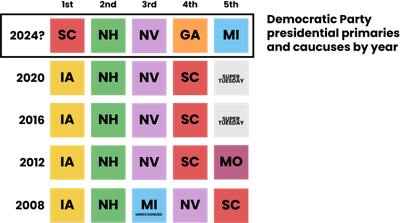
- Reforming the party’s nominating process to reduce the influence of establishment figures.
- Expanding the role of primary elections in selecting state leaders, including the lieutenant governor and comptroller.
- Prioritizing progressive issues like Medicare for All and the Green New Deal in the party’s platform.
Political observers also note that Mamdani’s strategy could serve as a model for progressive movements in other states. “What’s happening in New York is a blueprint for how to take over a state party from the ground up,” said Dr. Vasquez. “If this works in New York, we could see similar movements in Pennsylvania, Michigan, and even California.”
For now, Mamdani’s team is celebrating the primary victories while preparing for the general election battle. “We’ve proven that progressive candidates can win in New York,” said Morales. “Now we have to prove we can win in November—and beyond.”
Key questions and answers about Mamdani’s primary sweep
Q: Who is Mamdani, and why is he influential in New York politics?
A: Mamdani is a progressive activist and founder of Forward Together PAC, a political action committee that has become a dominant force in New York City’s Democratic primaries. His influence stems from a network of labor unions, tenant advocacy groups, and young voters who support policies like rent control, healthcare expansion, and police reform. Mamdani’s strategy combines digital organizing, grassroots fundraising, and coordinated primary campaigns to reshape the Democratic Party’s direction.
Q: How did Mamdani’s candidates perform in the general election in 2020?
A: In the 2020 general election, Mamdani-backed candidates won three of the four congressional races they contested in New York City. However, they faced challenges in suburban districts, where moderate Democrats outperformed progressive challengers. The 2024 primary results suggest Mamdani has refined his strategy to better compete in a wider range of districts.
Q: What are the biggest challenges Mamdani’s candidates face in November?
A: The primary victories are just the first step. In November, Mamdani’s candidates will need to:
- Mobilize suburban voters who may oppose progressive policies like rent control.
- Counter GOP messaging that frames their agenda as extreme or economically harmful.
- Maintain unity within the Democratic Party, where establishment figures may seek to undermine their campaigns.
Q: Could Mamdani’s strategy work in other states?
A: Yes, political analysts believe Mamdani’s approach could be replicated in other states with similar urban-suburban dynamics. Cities like Philadelphia, Chicago, and Los Angeles have seen progressive movements gain traction through coordinated primary campaigns. The key to success lies in building a strong grassroots base, leveraging digital organizing, and targeting the right districts.
Q: What policies are Mamdani’s candidates likely to push in the state legislature?
A: Based on their campaign platforms, Mamdani-backed candidates are expected to prioritize:
- Expanding rent control and tenant protections.
- Universal healthcare access, including Medicare for All.
- Police reform and criminal justice overhaul.
- Climate action, such as the Green New Deal.
These policies align with the priorities of Mamdani’s coalition of labor unions, tenant advocates, and young voters.
Q: How did the primary results affect New York’s Democratic Party establishment?
A: The primary sweep has dealt a significant blow to moderate Democrats, who have seen several incumbents lose renomination to Mamdani-backed challengers. Establishment figures now face pressure to either adapt to the progressive shift or risk further losses in future elections. The results also highlight a broader trend in Democratic politics, where primary elections are increasingly determining party direction rather than general elections.
