
Donald Trump’s Tariff Adjustments on Steel and Aluminum: A Closer Look Ahead of CUSMA Negotiations
Recent developments in U.S. Trade policy have sparked significant interest among businesses and policymakers, particularly as negotiations under the Canada-United States-Mexico Agreement (CUSMA) approach. President Donald Trump’s recent decision to adjust tariffs on specific steel and aluminum products has been described as a “positive sign” by industry analysts, though its broader implications remain under scrutiny. This article delves into the details of these changes, their potential impact, and the context surrounding the evolving trade landscape between the U.S. And its key partners.
What Happened: Tariff Adjustments and Their Scope
In a recent presidential proclamation, the Trump administration announced a reduction in tariffs on certain steel and aluminum products, signaling a strategic shift in its approach to trade. Specifically, the tariff on agricultural equipment and heating and air conditioning systems was lowered from 25% to 15%, effective June 8. Simultaneously, new tariffs of 25% were introduced for steel racks and aluminum lithographic plates. These adjustments reflect a nuanced response to pressure from U.S. Industries, particularly those in the agricultural and construction sectors.
The changes highlight the administration’s balancing act between protecting domestic industries and addressing concerns about rising costs for businesses. While the reduction in tariffs on specific goods may ease some financial burdens, the introduction of new tariffs on other products underscores the complexity of the policy landscape. Industry experts note that such adjustments are often reactive, shaped by lobbying efforts and the need to maintain competitive advantage in a global market.
Key Players and Their Stances
The U.S. Department of Commerce and the Office of the U.S. Trade Representative (USTR) played central roles in implementing these tariff adjustments. The administration emphasized that the changes were made to address immediate concerns from American businesses, which had long criticized the high tariffs as a barrier to growth. However, the decision also drew attention from Canadian and Mexican officials, given the proximity of CUSMA negotiations.

Canadian business groups, including the Canadian Chamber of Commerce, have expressed mixed reactions. According to Matthew Holmes, head of government policy at the chamber, the adjustments are seen as a signal that the Trump administration is open to revisiting trade policies when they negatively impact U.S. Industries. “This tells me more than anything that businesses in the U.S. Are saying ‘things are getting too expensive and we need more relief,’ and the way they get that relief is by asking the government to lower tariffs,” he stated.
Meanwhile, U.S. Manufacturers and agricultural producers have welcomed the tariff cuts, viewing them as a step toward reducing operational costs. However, some industry analysts caution that the long-term effects of such adjustments remain uncertain, particularly in light of ongoing trade tensions and the potential for retaliatory measures from trading partners.
Context and Background: The Broader Trade Landscape
The tariff adjustments come at a pivotal moment for U.S. Trade policy, as the country prepares for negotiations under CUSMA. This agreement, which replaces the North American Free Trade Agreement (NAFTA), aims to modernize trade relations among the U.S., Canada, and Mexico. The current tariff changes may influence the tone and outcomes of these negotiations, particularly regarding the treatment of sensitive sectors like agriculture and manufacturing.
Historically, the U.S. Has maintained a protectionist stance on certain industries, particularly those deemed critical to national security. The steel and aluminum sectors have been a focal point of this approach, with the 2018 tariffs on imported steel and aluminum sparking significant backlash from trading partners. The recent adjustments appear to reflect a more targeted strategy, focusing on specific products rather than broad-based restrictions.
the timing of the tariff changes coincides with a broader shift in U.S. Trade policy. Earlier this year, the administration paused proposed tariff hikes for most countries, signaling a potential softening of its approach. However, the continued emphasis on protecting domestic industries suggests that the Trump administration remains committed to a policy framework that prioritizes American economic interests, even as it seeks to engage in multilateral negotiations.
Implications and Potential Consequences
The immediate impact of the tariff adjustments is likely to be felt most acutely by U.S. Businesses that rely on imported steel and aluminum products. For example, agricultural equipment manufacturers may benefit from the reduced tariffs, as lower costs could translate to more competitive pricing for their goods. Conversely, the new tariffs on steel racks and aluminum lithographic plates may increase costs for certain industries, potentially offsetting some of the benefits of the reductions.
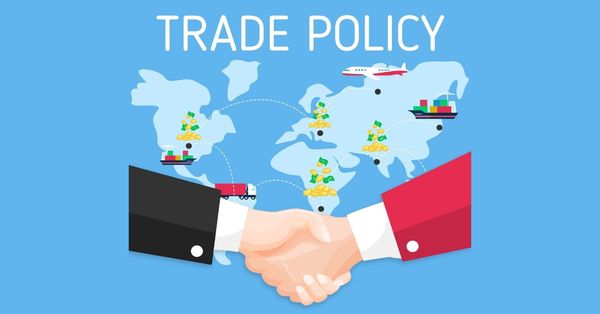
For Canada, the implications are more complex. While the Canadian Chamber of Commerce has noted that the changes are unlikely to have a significant impact on Canadian exports, the broader context of U.S. Trade policy remains a concern. Canadian officials have emphasized the need for a stable and predictable trade environment, particularly as CUSMA negotiations loom. The recent tariff adjustments may serve as a test of the U.S.’s willingness to engage in constructive dialogue, rather than unilateral actions.
On a global scale, the U.S. Approach to tariffs continues to shape the dynamics of international trade. The administration’s focus on sector-specific adjustments highlights a shift from broad-based protectionism to a more targeted strategy. However, this approach also raises questions about the long-term sustainability of such policies, particularly in an era of increasing economic interdependence.
Expert Reactions and Industry Perspectives
Industry analysts have offered a range of perspectives on the tariff adjustments. Some view the changes as a pragmatic response to economic pressures, while others caution against the potential for unintended consequences. For instance, the reduction in tariffs on agricultural equipment may provide short-term relief for farmers, but it could also lead to
