
Al-Qaeda affiliate places €2 million bounty on Mali’s military ruler Assimi Goïta – Business Insider Africa
An Al-Qaeda affiliate has offered a €2 million bounty for the capture of Mali’s military leader, Assimi Goïta, according to reports from Business Insider Africa, CNBC Africa, and OkayAfrica on June 12, 2026. The offer signals an escalation in the conflict between the Malian military junta and Islamist insurgents operating across the Sahel region.
What are the details of the bounty on Assimi Goïta?
An Al-Qaeda-linked group has publicized a reward of €2 million for anyone who can capture Mali’s president and military ruler, Assimi Goïta. Business Insider Africa reported the development on June 12, 2026, noting that the bounty targets the head of the transitional government. CNBC Africa and OkayAfrica also confirmed the offer, framing it as a direct threat against the military leadership in Bamako.
The bounty is not the first time insurgent groups in the Sahel have targeted high-ranking government officials, but the specific monetary value and the direct targeting of the head of state represent a significant shift in tactical aggression. While the reports do not specify the exact Al-Qaeda affiliate responsible, the region is primarily contested by Jama’at Nusrat al-Islam wal-Muslimin (JNIM), the official Al-Qaeda branch in the Sahel.
Key facts regarding the announcement include:
- Target: President Assimi Goïta.
- Reward: €2 million.
- Date of Report: June 12, 2026.
- Sources: Business Insider Africa, CNBC Africa, OkayAfrica.
Who is Assimi Goïta and why is he targeted?
Colonel Assimi Goïta is the current leader of Mali, having risen to power through two military coups. He first seized power in August 2020 and consolidated his position in May 2021. Under his leadership, Mali has undergone a drastic shift in its foreign policy and security strategy, most notably by severing ties with former colonial power France and ending the French-led Operation Barkhane.
Goïta’s administration has pivoted toward Russia for security assistance, integrating the Wagner Group (now largely rebranded as Africa Corps) into Mali’s counter-terrorism operations. This shift has been characterized by a more aggressive military approach against insurgent strongholds in northern and central Mali. According to reports from the region, this increased military pressure is a primary driver for the insurgent groups’ decision to target the presidency directly.
The targeting of Goïta follows a pattern where Al-Qaeda and Islamic State affiliates respond to military offensives by attempting to destabilize the central government. By placing a bounty on the ruler, the affiliate aims to incentivize betrayal within the military ranks and sow paranoia within the inner circle of the junta.
| Event | Date/Period | Impact on Mali’s Security |
|---|---|---|
| First Military Coup | August 2020 | Ousted Ibrahim Boubacar Keïta; established military transition. |
| Second Military Coup | May 2021 | Assimi Goïta assumed the presidency. |
| Exit of French Forces | 2022-2023 | End of Operation Barkhane; security vacuum filled by Russian mercenaries. |
| Bounty Announcement | June 12, 2026 | Direct escalation of threats against the head of state. |
How does this fit into the broader Sahelian conflict?
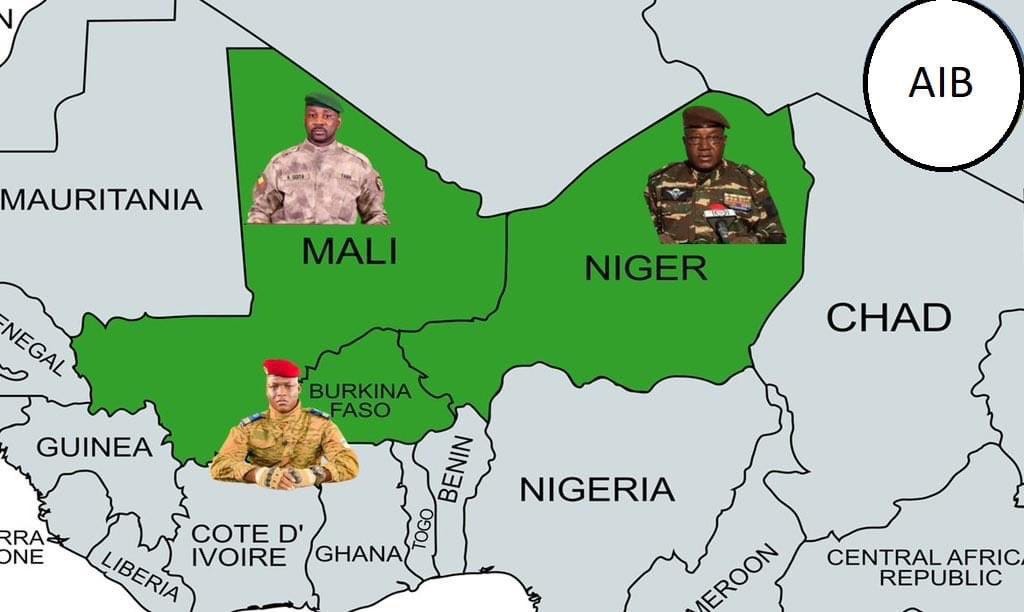
The bounty on Assimi Goïta occurs amidst a wider wave of instability across the Sahel, a semi-arid region spanning Africa. Mali, Niger, and Burkina Faso have all experienced military coups in recent years and have subsequently formed the Alliance of Sahel States (AES). This bloc has moved away from Western security frameworks, citing a lack of progress in defeating jihadist insurgencies.
The conflict in Mali is primarily a struggle between the state and a coalition of Islamist militants. These groups, including Al-Qaeda affiliates, seek to implement a strict interpretation of Sharia law and remove foreign influence. The shift toward Russian security partnerships has led to reports of increased civilian casualties during military operations, which Al-Qaeda affiliates often use as a recruitment tool to gain support among local populations.
The announcement of the bounty coincides with other regional crises. Business Insider Africa noted that as of June 12, 2026, Niger has implemented strict anti-LGBTQ laws, and the Democratic Republic of Congo is grappling with Ebola-related deaths. These events collectively illustrate a period of intense political and social volatility across the continent.
The Role of JNIM and Al-Qaeda in Mali
Jama’at Nusrat al-Islam wal-Muslimin (JNIM) operates as an umbrella organization for several militant groups. Their strategy involves blending guerrilla warfare with the provision of basic services in areas where the Malian state is absent. By offering a bounty on Goïta, the group is attempting to project power and demonstrate that the military ruler is vulnerable despite the presence of Russian security advisors.
Industry analysts suggest that such bounties are often more about psychological warfare than actual capture. The goal is to create an atmosphere of distrust among the junta’s loyalists. For more information on regional security shifts, see a related explainer on the Alliance of Sahel States (AES).
Comparing the reporting on the Al-Qaeda bounty
While Business Insider Africa, CNBC Africa, and OkayAfrica all reported the same core fact—the €2 million bounty—their framing differed slightly. This contrast provides a broader view of how the event is perceived across different media lenses.
- Business Insider Africa: Focused on the bounty as part of a broader “Today in Africa” roundup, placing the event alongside legislative changes in Niger and health crises in the DR Congo. This framing suggests the bounty is one of several indicators of regional instability.
- CNBC Africa: Emphasized the financial aspect and the specific target, focusing on the risk to the presidency and the potential for political disruption in a key African market.
- OkayAfrica: Highlighted the direct threat to the president’s capture, framing the story as a critical security update for the Malian people and the diaspora.
The consistency across these outlets confirms the veracity of the bounty announcement, although no official statement from the Malian government has yet been released to address the specific threat.
What are the potential implications for Mali’s government?
The immediate impact of the bounty is an increase in security protocols around President Assimi Goïta. However, the long-term implications are more complex. The junta’s reliance on foreign mercenaries for protection may further alienate local populations, while the threat of internal betrayal could lead to a crackdown on dissent within the military.
There are three primary risks the Malian government faces following this announcement:
- Internal Instability: The high monetary value of the reward could tempt low-ranking soldiers or disillusioned officials to leak information or facilitate an attack.
- Increased Insurgent Boldness: The move signals that Al-Qaeda affiliates no longer fear the junta’s military apparatus and are willing to target the highest level of government.
- Diplomatic Isolation: As the conflict escalates and the government relies more on non-traditional security partners, Mali may find it harder to secure legitimate international aid or diplomatic support.
“The placement of a bounty on a sitting head of state is a calculated move to destabilize the psychological foundation of a military regime.” — *Security Analysis on Sahelian Insurgency*
Common misconceptions about the Sahelian insurgency
Many observers view the conflict in Mali as a simple war between a government and terrorists. However, the reality is far more nuanced. The insurgency is often fueled by ethnic tensions, particularly involving the Tuareg and Fulani populations in the north and center of the country.
Misconception 1: The conflict is purely religious.
While Al-Qaeda affiliates use religious rhetoric, much of the support they receive is based on grievances over land rights, government corruption, and the perceived neglect of rural areas by the central government in Bamako.
Misconception 2: Russian intervention has stabilized the region.
While Russian forces have provided the junta with the means to conduct more aggressive operations, reports indicate that the overall security situation has not improved. In some cases, the violence has intensified, leading to more displaced persons and higher civilian casualties.
Misconception 3: The bounty is likely to be paid.
Terrorist organizations often announce large sums to gain headlines and instill fear. Whether the affiliate possesses €2 million in liquid assets to pay such a reward is often secondary to the goal of creating panic and instability.
Regional security and the AES framework
The bounty on Goïta does not happen in a vacuum. It is part of a larger geopolitical realignment in West Africa. The formation of the Alliance of Sahel States (AES) by Mali, Burkina Faso, and Niger was a response to perceived failures by the Economic Community of West African States (ECOWAS) and Western allies.

By coordinating their security and political efforts, these three nations hope to create a unified front against jihadist groups. However, the bounty on Goïta shows that the insurgents are also coordinating their efforts. The Al-Qaeda affiliate’s move may be an attempt to break the unity of the AES by targeting its most prominent leader.
For a deeper look at how these alliances are shifting, a related explainer on the decline of French influence in West Africa provides necessary context.
Frequently Asked Questions
Who placed the €2 million bounty on Assimi Goïta?
The bounty was placed by an Al-Qaeda affiliate operating in Mali. While the specific name of the cell was not detailed in the primary reports from Business Insider Africa or CNBC Africa, the most prominent Al-Qaeda branch in the region is Jama’at Nusrat al-Islam wal-Muslimin (JNIM).
When was the bounty announced?
The news of the bounty was reported by multiple international news outlets, including Business Insider Africa, on June 12, 2026.
What is the goal of the bounty?
The primary goal is likely the capture or assassination of President Assimi Goïta to destabilize the Malian military junta. Additionally, it serves as psychological warfare to create distrust within the government’s security apparatus.
How has Assimi Goïta responded to the threat?
As of the latest reports, the Malian government has not issued a formal public response to the specific €2 million bounty, though security measures for the president are expected to be heightened.
Is this part of a larger trend in Mali?
Yes. The escalation follows a period of increased military offensives by the Malian army and its Russian partners against insurgent strongholds, leading to a more aggressive response from Al-Qaeda and Islamic State affiliates.
The situation in Bamako remains fluid. The ability of the junta to maintain internal loyalty in the face of such high-value incentives will be a critical factor in the stability of the Malian state over the coming months. Observers will be watching for whether other leaders within the Alliance of Sahel States face similar threats as the military-led governments continue their pivot away from Western security partnerships.
