Woman in Sydney Seriously Injured in Fourth Australia Shark Attack in Recent Weeks
A woman is in critical condition after suffering severe arm and leg injuries during a shark attack at Coogee Beach in Sydney. According to reports from the ABC and The Guardian, this incident represents the fourth shark attack recorded across Australia in recent weeks, signaling a concerning trend in coastal encounters.
What happened during the Coogee Beach shark attack?
Emergency services rushed to Coogee Beach after a woman was attacked by a shark while in the water. The victim sustained critical injuries to both her arm and her leg, according to the Australian Broadcasting Corporation (ABC). Paramedics provided immediate on-site treatment before transporting her to a hospital, where she remains in critical condition, The Guardian reports.
The attack occurred in a high-visibility area of the beach, yet the speed and severity of the encounter left the victim with life-threatening wounds. Witness accounts and official reports emphasize the severity of the trauma to the limbs, which required urgent surgical intervention.
- Location: Coogee Beach, Sydney, New South Wales.
- Injuries: Critical trauma to the arm and leg.
- Status: Victim remains in critical condition.
- Response: Immediate emergency medical services and hospital transport.
How large was the shark involved in the Sydney attack?
While official biological identification of the shark is pending, eyewitness descriptions suggest a massive predator. News.com.au reports that the shark was described as being the “size of a car,” using the term “monster shark” to characterize the animal’s scale.
Visual evidence supports the reports of a significant predator in the area. The Sydney Morning Herald (SMH) reports that chilling footage exists showing the shark in the water moments after the attack took place. This footage provides a rare glimpse of the animal’s size and behavior immediately following the encounter, though authorities have not yet confirmed the specific species of the shark.
“Size of a car” — Eyewitness description of the shark involved in the Coogee Beach attack, as reported by News.com.au.
Why is this the fourth Australia shark attack in recent weeks?
This incident is not an isolated event. According to Sky News, a woman in Sydney seriously injured in fourth Australia shark attack in recent weeks highlights a cluster of incidents across the continent. The frequency of these encounters has drawn attention to the current environmental and seasonal conditions that may be driving sharks closer to shore.
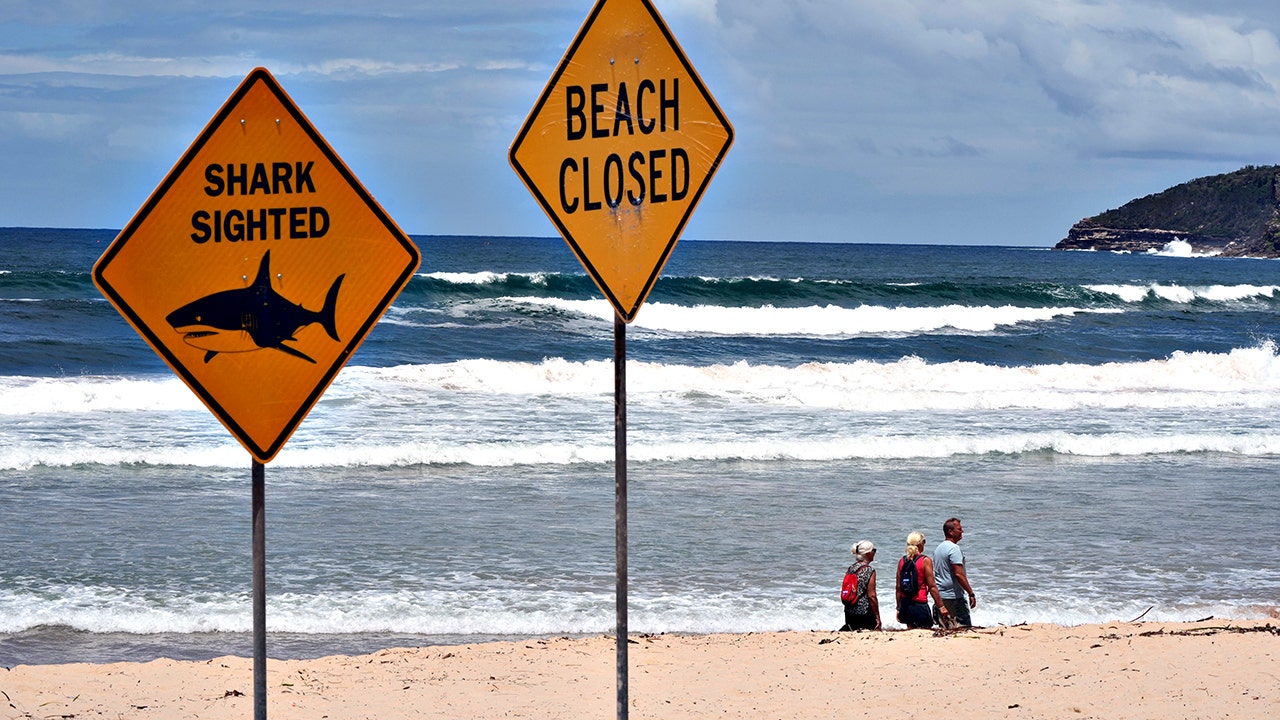
Marine experts often attribute spikes in shark activity to several factors, including migratory patterns, water temperature shifts, and the movement of prey species like schools of fish or seals. While the specific cause for this recent cluster has not been officially declared by government agencies, the timing of four attacks in a short window is a point of significant concern for beachgoers and coastal authorities.
The following table contrasts how different news outlets have framed the details of this specific event:
| Source | Primary Focus | Characterization of Shark/Event |
|---|---|---|
| ABC | Medical status and injury locations | Clinical: “Critical arm and leg injuries” |
| News.com.au | Size and scale of the predator | Sensational: “Monster shark,” “Size of a car” |
| The Guardian | Patient condition and emergency response | Factual: “Woman in critical condition” |
| SMH | Visual evidence and footage | Descriptive: “Chilling footage” |
What are the implications for Sydney beach safety?
The attack at Coogee Beach, a popular destination for swimmers and tourists, raises questions about the efficacy of current shark mitigation strategies in New South Wales. Sydney’s coastline is known for its beauty, but it is also a natural habitat for several species of sharks, including the Great White and the Bull Shark.
The critical nature of the injuries reported by the ABC suggests a high-energy attack, which often occurs when a predator mistakes a swimmer for prey or defends its territory. In response to such events, local councils and surf life saving clubs typically increase patrols and monitor for shark activity using drones or aerial surveillance.
For those frequenting the coast, this event serves as a reminder of the inherent risks of open-water swimming. Related explainer on shark safety and prevention provides more context on how to reduce risk during high-activity periods.
Common misconceptions about shark attacks
Public reaction to reports like the “woman in Sydney seriously injured in fourth Australia shark attack in recent weeks – Sky News” often leads to misconceptions about shark behavior. It is a common belief that sharks actively hunt humans; however, most marine biologists argue that humans are not natural prey. Most attacks are “test bites” or cases of mistaken identity, particularly in murky water or during dawn and dusk.
Another misconception is that swimming in designated “safe zones” eliminates risk. While nets and drones reduce the likelihood of an encounter, they cannot provide a 100% guarantee of safety, as evidenced by the attack at a well-known beach like Coogee.
How does this event compare to previous Australian shark trends?
Australia has a long and documented history of shark encounters, but the clustering of four attacks in a few weeks is a statistical anomaly that often triggers public alarm. When attacks happen in rapid succession across different regions, it often points to a broader ecological shift rather than a localized issue at a single beach.
The severity of the Coogee attack—resulting in critical limb injuries—contrasts with “hit and run” encounters where a shark may graze a swimmer without causing life-threatening trauma. The “size of a car” description provided to News.com.au suggests a mature predator, which increases the potential for catastrophic injury compared to juvenile sharks.
Key points regarding the current trend include:
- Frequency: Four attacks in recent weeks across Australia.
- Severity: The Coogee incident resulted in critical, life-threatening injuries.
- Evidence: The availability of immediate post-attack footage (SMH) allows for better analysis of predator behavior.
- Location: High-traffic urban beaches are being targeted, increasing public visibility of the risk.
The role of environmental factors
While not explicitly detailed in the immediate breaking reports, the broader context of Australian shark attacks often involves “baitfish” movements. When large schools of fish move toward the shore, larger predators follow. If the water temperature is optimal, sharks may linger longer in shallow areas where humans swim. This ecological overlap is the primary driver of most recorded incidents.
What should swimmers do in response to these attacks?
Following the news that a woman in Sydney was seriously injured, beachgoers are encouraged to adhere to standard safety protocols. Authorities generally recommend avoiding swimming at dawn or dusk, as these are peak hunting times for many shark species.
Additionally, swimmers are advised to:
- Avoid swimming near the mouths of rivers or in estuaries, especially after heavy rain.
- Stay away from areas where large numbers of fish are jumping or where seals are present.
- Swim in groups and stay within the flagged areas monitored by lifeguards.
- Avoid wearing high-contrast clothing or shiny jewelry that might mimic the reflection of fish scales.
The critical condition of the Coogee victim underscores the importance of immediate first aid. In cases of severe bleeding, the application of a tourniquet or firm pressure is essential to prevent hemorrhagic shock before paramedics arrive.
Regional impact and public reaction
The psychological impact of a “monster shark” attacking in a Sydney suburb often leads to a temporary decline in beach attendance. However, the long-term trend in Australia has been toward coexistence through better technology, such as the use of SMART drumlines and satellite tagging, which help authorities track the movement of large sharks in real-time.
Frequently Asked Questions
Where did the recent Sydney shark attack happen?
The attack took place at Coogee Beach, a well-known coastal destination in Sydney, New South Wales.
What is the condition of the woman attacked at Coogee Beach?
According to The Guardian and the ABC, the woman is in critical condition after sustaining severe injuries to her arm and leg.
How many shark attacks have occurred in Australia recently?
As reported by Sky News, this incident is the fourth shark attack recorded in Australia within recent weeks.
How large was the shark that attacked the woman?
While not officially measured, eyewitnesses described the shark as being the “size of a car,” according to News.com.au.
Is there footage of the shark?
Yes, the Sydney Morning Herald reports that footage was captured showing the shark in the water shortly after the attack occurred.
What are the safest times to swim to avoid sharks?
Experts generally recommend avoiding swimming during dawn and dusk, as these are peak feeding times for many shark species.
