
The United States has formally rejected any proposal for an Iranian toll on the Strait of Hormuz, according to multiple reports, as the United Nations Maritime Agency initiates the evacuation of 11,000 mariners trapped in the region. The move comes amid heightened tensions following Iran’s recent threats to impose fees on vessels passing through the strategic waterway, a claim the U.S. has categorically dismissed.
U.S. Rejects Iranian Toll Demands
U.S. Secretary of State Marco Rubio reiterated Washington’s position in a statement, asserting that “the United States will not accept any toll or fee on the Strait of Hormuz.” The declaration follows Iranian officials’ allegations that the U.S. and its allies have been exploiting the strait’s passage for decades, a claim Iran has used to justify its recent naval maneuvers. Rubio’s remarks, reported by multiple international outlets, underscore the Biden administration’s commitment to maintaining open maritime trade routes, which facilitate approximately 20% of global oil shipments.
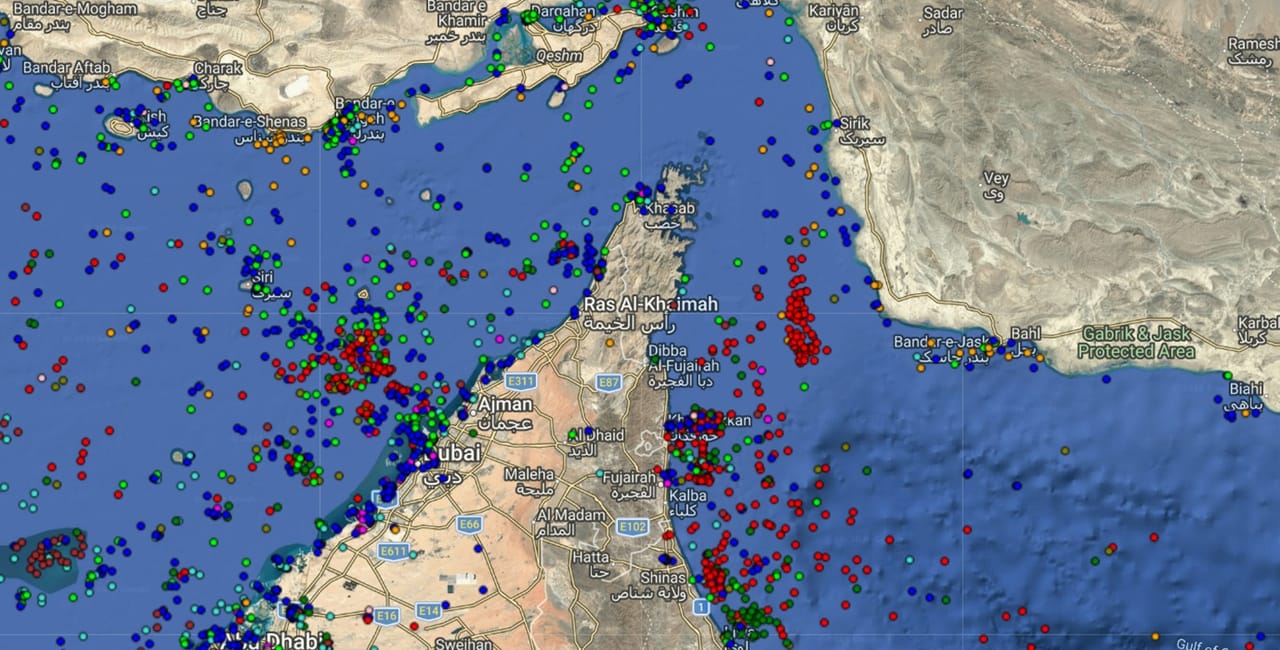
The U.S. stance aligns with broader regional security concerns. The Strait of Hormuz, a critical chokepoint between the Persian Gulf and the Gulf of Oman, has long been a flashpoint for geopolitical rivalries. Analysts note that any disruption to its free passage could trigger economic fallout, particularly for energy-dependent nations in Asia and Europe.
UN-Led Evacuation Begins
The United Nations Maritime Agency (UMA) confirmed the start of an evacuation operation for 11,000 mariners stranded in the region, citing “acute security risks” posed by ongoing clashes. The agency, which oversees maritime safety under the UN, stated that the effort would prioritize crew members from neutral-flagged vessels and those in immediate danger. A UMA spokesperson emphasized that the operation would proceed “in coordination with regional authorities and international partners.”
The evacuation follows weeks of rising tensions between Iran and Western powers, exacerbated by Iran’s recent ballistic missile tests and its support for proxy groups in the region. The U.S. and its Gulf allies have deployed naval forces to the area, though officials have denied any direct involvement in the mariners’ entrapment.
What This Means for Regional Stability
The standoff highlights the fragile balance of power in the Persian Gulf. Iran’s demands for tolls on the strait, if enacted, could set a precedent for other nations to impose similar fees, potentially destabilizing global trade. Conversely, the U.S. refusal to negotiate could escalate tensions, with Iran warning of “measured responses” to what it calls “economic coercion.”

Regional observers point to the 2019 Iran nuclear deal (JCPOA) as a reference point. While the agreement did not address strait fees, its collapse left a void in diplomatic mechanisms for resolving maritime disputes. The current crisis underscores the absence of a multilateral framework to address such conflicts, raising concerns about the potential for further militarization of the region.
As the evacuation continues, the focus remains on preventing a humanitarian crisis. The UMA has called for “unimpeded access” to the strait, a demand echoed by the International Maritime Organization. However, with no immediate resolution in sight, the situation remains a test of diplomatic and military coordination among global powers.
