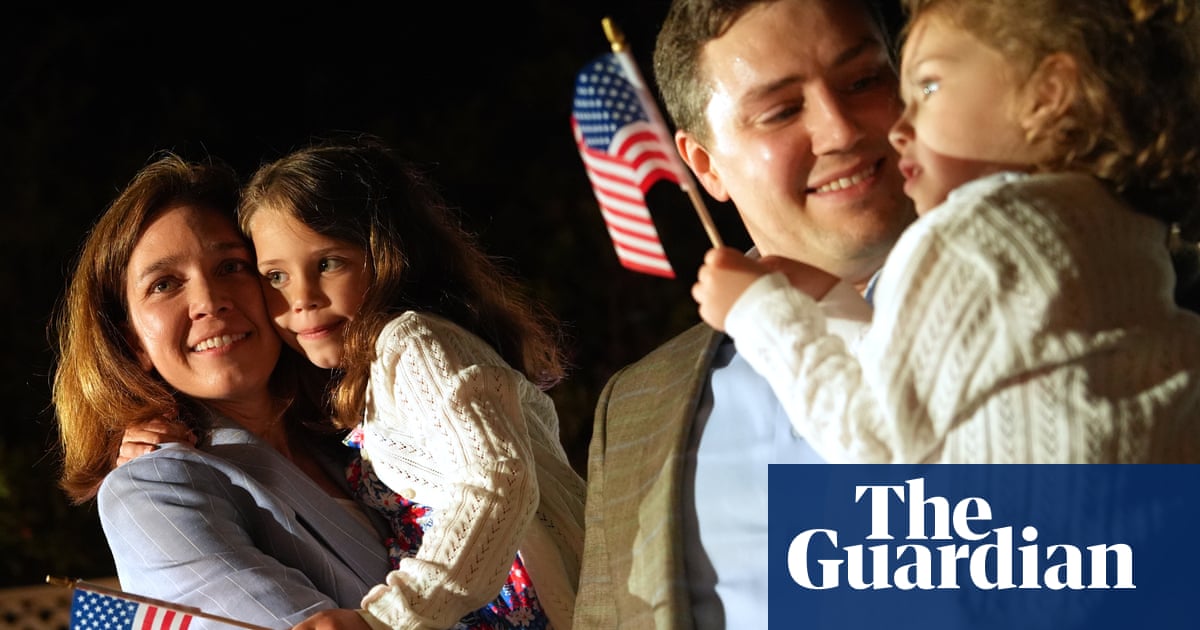
The Democrats to Watch After Tuesday’s Primaries: From Army Doctor to Paralympian
The landscape of American politics is often defined by the predictable ascent of career politicians, but the results of Tuesday’s primaries have signaled a provocative shift. As the Democratic Party navigates a complex path toward the general election, a new cohort of candidates is emerging—individuals whose resumes read less like political brochures and more like chronicles of public service and personal resilience. From the disciplined precision of an army doctor to the indomitable spirit of a Paralympian, the “new guard” of Democrats is challenging the traditional mold of leadership.
These results are not merely isolated victories in a few districts; they represent a broader appetite among the electorate for “citizen-legislators.” In an era of deep cynicism toward institutional politics, voters are increasingly drawn to candidates who have operated in the trenches of real-world crises—whether in combat zones, medical wards, or the grueling arena of adaptive sports. When analyzing the Democrats to watch after Tuesday’s primaries: from army doctor to Paralympian – The Guardian style of diverse candidate profiles, it becomes clear that the party is attempting to broaden its appeal by prioritizing lived experience over political tenure.
A New Archetype of Leadership: Beyond the Political Class
For decades, the pipeline to Congress or governorships typically ran through law school, local city councils, or state legislatures. While those paths remain viable, Tuesday’s primaries highlighted a growing trend: the rise of the “unconventional” candidate. The inclusion of medical professionals from the military and elite athletes with disabilities suggests a strategic pivot toward candidates who embody resilience and specialized expertise.
The appeal of an army doctor, for instance, lies in the intersection of leadership and crisis management. Such candidates bring a level of perceived pragmatism and a track record of making high-stakes decisions under pressure—traits that resonate with a public weary of partisan gridlock. Similarly, the emergence of Paralympians in the political sphere introduces a narrative of overcoming systemic and physical barriers, mirroring the struggles of many constituents who feel overlooked by the current system.
Why Lived Experience is Outpacing Political Pedigree
Several factors contribute to this shift in candidate preference:
- The Trust Deficit: Public trust in “career politicians” is at historic lows. Candidates who have spent their lives in non-political professions are viewed as less likely to be beholden to party machines or special interests.
- The Demand for Specialized Knowledge: With the complexities of modern healthcare and veterans’ affairs, having a doctor or a military veteran in the room provides an immediate layer of authority that a generalist lawyer may lack.
- Representation and Visibility: The presence of a Paralympian on the ballot isn’t just about policy; it’s about visibility. It signals that the Democratic Party is expanding its definition of who is “fit” to lead, directly addressing issues of accessibility and disability rights.
“The modern voter isn’t looking for a polished stump speech; they are looking for a track record of endurance. Whether that endurance was tested on a battlefield or in a sporting arena, it translates to a perceived toughness that is highly valued in a polarized Washington.”
Regional Deep Dives: California, Iowa and New Jersey
The primary results were not uniform across the country, but specific states provided critical insights into the party’s current trajectory. In California, Iowa, and New Jersey, the matchups taking shape for the general election reveal a tension between the party’s established wing and its insurgent elements.
The California Battleground: Bass and the Runoff Drama
One of the most watched contests centered on Karen Bass, whose path to victory has been complicated by a challenging runoff. The entry of Spencer Pratt into the fray transformed a standard primary into a clash of identities. Bass represents the traditional, high-achieving Democratic establishment—deeply embedded in community organizing and legislative experience. Pratt, conversely, represents a more disruptive, celebrity-driven approach to politics.
The fact that a runoff is necessary suggests that while the establishment still holds significant sway, there is a volatile segment of the electorate open to “outsider” candidates, even those whose fame precedes their political platform. This dynamic highlights a precarious balance the party must maintain: embracing new energy without alienating the core base that relies on experienced governance.
Iowa and New Jersey: Testing the Moderate-Progressive Balance
In Iowa and New Jersey, the primaries served as a litmus test for how the party handles the divide between its moderate and progressive wings. In these states, the candidates who gained the most traction were those capable of bridging the gap—individuals who could speak the language of progressive reform while maintaining a pragmatic approach to implementation.
The emerging matchups in these states suggest that the “middle way” is still the most viable path to victory in swing districts. However, the influence of grassroots organizers is more apparent than ever, with non-traditional candidates leveraging social media and local networks to bypass traditional party gatekeepers.
| State | Key Dynamic | Primary Takeaway |
|---|---|---|
| California | Establishment vs. Disruptor | High volatility; necessity of runoffs for clarity. |
| Iowa | Rural Appeal vs. Urban Base | Need for candidates who can speak to agricultural interests. |
| New Jersey | Moderate Pragmatism | Stability favored over radical ideological shifts. |
The End of the Endorsement Streak: A Shift in Power
Parallel to the rise of new Democratic faces was a notable shift in the Republican sphere, specifically regarding the influence of former President Donald Trump. For a significant period, a Trump endorsement was viewed as an automatic ticket to victory in GOP primaries. However, recent data suggests this “streak” is beginning to cool.
This development is crucial for Democrats to watch. When the opposing party experiences a fragmentation of its leadership structure or a decline in the efficacy of its central figure’s endorsements, it creates a strategic opening. The Democratic Party is currently attempting to capitalize on this by presenting a unified yet diverse front—one that contrasts the perceived chaos of the GOP’s internal struggles with a curated image of inclusive, professional leadership.
The Strategic Implications of GOP Fragmentation
If the “Trump effect” is waning, the general election may shift from a referendum on a single personality to a battle of platforms. This benefits Democratic candidates who can point to specific, tangible achievements—such as the medical expertise of a doctor or the discipline of an athlete—rather than engaging in a purely rhetorical war of personalities.
Analyzing the Future of the Democratic Party
What do these primary results tell us about where the Democratic Party is headed? The overarching theme is diversification—not just in terms of race and gender, but in terms of professional background and life experience.
The Move Toward “Authentic” Authority
The party is moving away from a one-size-fits-all candidate profile. By promoting individuals from the military, medicine, and adaptive sports, the Democrats are building a “large tent” of authority. This is a calculated move to counter the narrative that the party is merely a collection of ivory-tower intellectuals or career bureaucrats.
By diversifying the type of expertise their candidates possess, the party can more effectively communicate with different demographics:
- Veterans and Rural Voters: More likely to trust a candidate with military experience.
- Healthcare Workers and Patients: More likely to trust a physician who has seen the failures of the system firsthand.
- The Disability Community: More likely to feel represented by a Paralympian who understands the physical and legal hurdles of accessibility.
The Risk of the “Outsider” Trend
However, this shift is not without risk. The “outsider” appeal that helps a candidate win a primary can sometimes become a liability in a general election. The challenge for these non-traditional candidates is to prove that their real-world success can translate into legislative success. Being a great doctor or a world-class athlete does not automatically grant the ability to navigate the Byzantine corridors of the U.S. Capitol.
The party’s success will depend on how well it integrates these “citizen-legislators” into a cohesive policy framework. If they are seen as mere tokens of diversity, the effort will fail. If they are empowered as genuine policy architects, they could redefine the party’s image for a generation.
For those tracking the evolving political landscape, a related explainer on the impact of non-traditional candidates may provide further context on how this trend has played out in previous cycles.
Common Misconceptions About Primary Shifts
When observing the rise of candidates like army doctors and Paralympians, several oversimplifications often emerge. It is vital to clarify these points to understand the true nature of the political shift.
Misconception 1: This is purely a “PR move” for the party.
While the optics are certainly helpful, the shift is driven primarily by voter demand. Exit polling and primary data consistently show that voters are actively seeking candidates who have “done something” outside of politics. This is a bottom-up demand, not a top-down directive from party headquarters.
Misconception 2: Non-traditional candidates are “unprepared” for office.
The assumption that a lack of political experience equals a lack of preparation ignores the transferable skills of high-level professionals. An army doctor manages logistics, personnel, and life-or-death crises—skills that are directly applicable to executive leadership. The “learning curve” for legislation is often shorter than the “learning curve” for high-stakes crisis management.
Misconception 3: The “outsider” trend is limited to the Democratic Party.
While the Democratic Party is currently showcasing a specific type of professional diversity, the desire for outsiders is a bipartisan phenomenon. However, the type of outsider differs. While the GOP has leaned toward business entrepreneurs and media personalities, the Democrats are leaning toward public service and civic resilience.
Key Takeaways for the General Election
As we move past the primary phase, the focus shifts to how these diverse candidates will perform in a general election setting. The “Democrats to watch” are those who can synthesize their unique life stories with a clear, actionable political agenda.
The primary milestones to monitor include:
- The Runoff Results: Specifically in California, where the outcome will signal whether the electorate prefers established leadership (Bass) or disruptive energy (Pratt).
- Fundraising Patterns: Whether these non-traditional candidates can attract the same level of donor support as career politicians.
- Coalition Building: How successfully these candidates can unite the progressive and moderate wings of their party.
the rise of the army doctor and the Paralympian is a symptom of a larger hunger for authenticity. The Democratic Party is betting that by diversifying its candidate pool, it can rebuild trust with a skeptical public and present a more human, resilient face to the American voter.
Frequently Asked Questions
Who are the most significant “non-traditional” Democrats emerging from the primaries?
The most notable figures include candidates with backgrounds in military medicine (army doctors) and elite adaptive sports (Paralympians), as well as community leaders who have never held elective office. These candidates are seen as “citizen-legislators” who bring real-world expertise to government.
Why is the runoff between Karen Bass and Spencer Pratt significant?
This race serves as a microcosm of the struggle within the party: the tension between experienced, institutional leadership and the appeal of “outsider” or celebrity candidates. The result will indicate which direction voters are leaning as they head toward the general election.
How does the decline of the “Trump endorsement streak” affect the Democrats?
When the opposing party’s central influence weakens or fragments, it allows Democrats to shift the conversation away from personality clashes and toward policy and candidate qualifications. It creates a strategic window for Democrats to highlight their own diverse and professional slate of candidates.
Do non-traditional candidates usually struggle in the general election?
Not necessarily. While they may lack a political network, they often possess a higher level of “perceived authenticity,” which can be a powerful asset in mobilizing undecided voters who are tired of traditional political rhetoric.
What states were most influential in these recent primaries?
California, Iowa, and New Jersey were key. California highlighted the volatility of urban races, Iowa showed the need for rural outreach, and New Jersey demonstrated the continued importance of moderate pragmatism.
The trajectory of the Democratic Party is no longer a straight line from local office to national power. It is becoming a mosaic of professional experiences, where a medical degree or a gold medal can be as valuable as a law degree. As these candidates transition from the primary stage to the general campaign, the real test will be whether their resilience in the real world can be converted into legislative victory in a divided capital.
