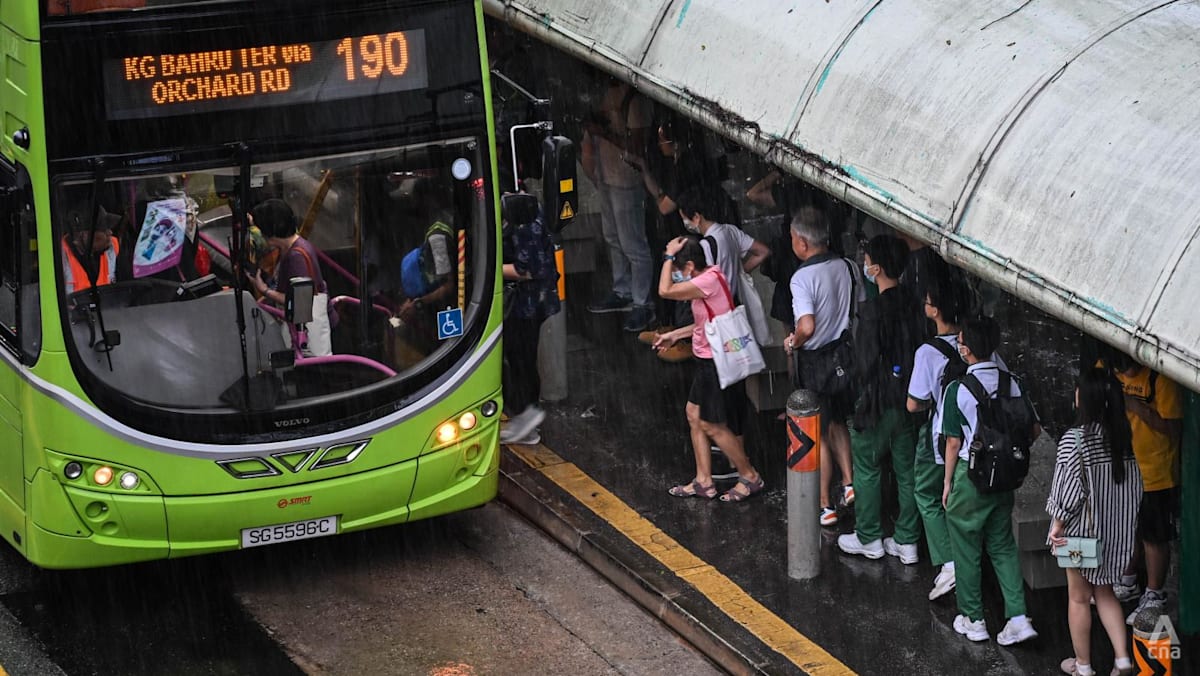
Singapore to Boost Bus Captain Salaries: Starting Pay for New Local Bus Captains to Rise by S$450 with Government Funding
In a strategic move to fortify the resilience of the national transport network and address persistent manpower challenges, the Singapore government has announced a significant financial injection to elevate the remuneration of its public transport workforce. The headline of this initiative is clear: the starting pay for new local bus captains to rise by S$450 with government funding, a move designed to make the profession more competitive and attractive to a new generation of Singaporeans.
This adjustment, slated for implementation by January 2027, is not merely a marginal increase in wages but part of a broader systemic effort to ensure that the city-state’s bus services remain reliable and adequately staffed. By targeting the entry-level salary and enhancing sign-on incentives, the government aims to push the average monthly earnings of local bus captains beyond the S$4,000 mark, acknowledging the critical role these professionals play in the daily movement of millions of residents.
The decision comes at a time when the transport sector faces stiff competition from the burgeoning gig economy and other logistics roles, which often offer greater flexibility or similar pay without the stringent regulatory and safety demands of operating a heavy vehicle in a dense urban environment. By bridging this pay gap, the authorities are signaling that the role of a bus captain is a viable, middle-class career path rather than just a transitional job.
The Financial Blueprint: Breaking Down the Pay Hike
The core of the announcement centers on a structured increase in compensation that targets both the immediate attraction of new recruits and the long-term sustainability of the workforce. The S$450 increase in starting monthly pay is the primary lever, but This proves supported by other financial incentives that aim to lower the barrier to entry for locals.
Beyond the monthly salary adjustment, the government is also increasing the sign-on bonus for new local hires by S$2,000. This upfront incentive is designed to provide an immediate financial “hook,” encouraging individuals to commit to the necessary training and certification processes required to become a licensed bus captain.
The ultimate goal of these combined measures is to shift the salary equilibrium. When factoring in the base pay increase, the enhanced sign-on bonuses, and existing allowances (such as overtime and shift premiums), the average monthly take-home pay for local bus captains is projected to cross the S$4,000 threshold. This figure is psychologically and economically significant, as it aligns the role more closely with other skilled vocational trades in Singapore.
| Compensation Element | Change/Adjustment | Effective Date | Primary Objective |
|---|---|---|---|
| Starting Monthly Pay | Increase of S$450 | January 2027 | Enhance long-term career attractiveness |
| Sign-on Bonus | Increase of S$2,000 | January 2027 | Immediate incentive for new recruits |
| Projected Avg. Monthly Pay | Exceed S$4,000 | Post-Implementation | Establish a competitive middle-class wage |
Why Now? The Drivers Behind the Wage Increase
To understand why the starting pay for new local bus captains to rise by S$450 with government funding is necessary, one must look at the intersection of demographics, economics, and urban planning in Singapore. The transport industry is currently grappling with a “perfect storm” of challenges that make recruitment and retention increasingly difficult.
The Allure of the Gig Economy
Over the last five years, the rise of ride-hailing and delivery platforms has fundamentally altered the labor market for drivers. Many potential bus captains are drawn to the autonomy of gig work, where they can set their own hours and avoid the rigid scheduling of public transport. While bus driving offers more stability and benefits, the perceived “freedom” of the gig economy has created a talent drain. By raising the baseline pay, the government is attempting to neutralize this advantage by offering a superior, stable financial package.
An Aging Workforce and the ‘Silver Tsunami’
A significant portion of Singapore’s veteran bus captains are approaching retirement age. This demographic shift, often referred to as the “silver tsunami,” creates a looming void in the workforce. If the industry cannot attract younger locals to fill these gaps, the reliability of the bus network—a cornerstone of Singapore’s “car-lite” vision—could be compromised. The pay hike is a proactive measure to ensure a seamless generational transition.
The Complexity of Modern Bus Operations
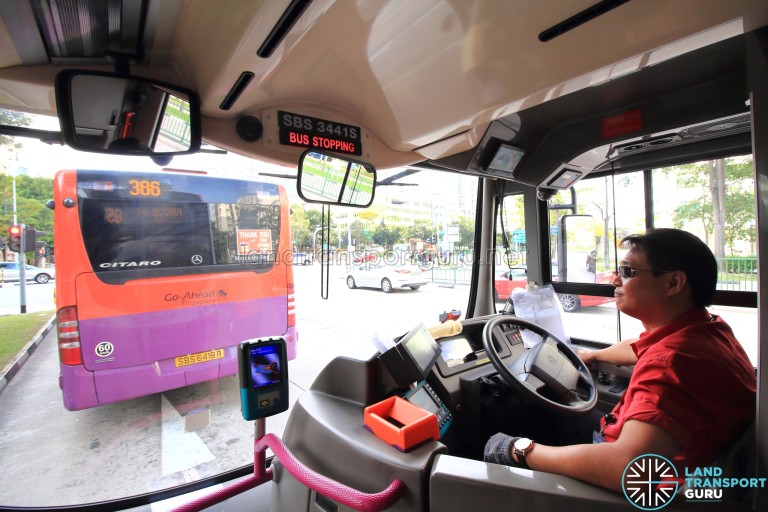
The role of a bus captain has evolved. Today’s drivers are not just steering a vehicle; they are managing complex onboard technology, adhering to strict safety protocols, and acting as the primary point of contact for a diverse range of commuters, including the elderly and persons with disabilities. The increased pay reflects the higher level of skill, patience, and responsibility required in the modern urban transport landscape.
“Ensuring a steady stream of local talent into the bus captain profession is not just about filling seats; it is about safeguarding the mobility of the nation. When the pay reflects the value of the service, the quality of the workforce improves.”
Analyzing the Government Funding Model
A critical aspect of this announcement is that the pay rise is backed by government funding. This is a strategic choice that prevents the costs from being passed directly to the commuters through fare hikes or placing an undue financial burden on the bus operators.
Under the current Bus Contracting Model (BCM), the government owns the assets (the buses and depots) and contracts the operations to various companies. This structure allows the state to intervene directly in wage settings to achieve social and economic goals. By funding the S$450 increase, the government is treating transport manpower as a piece of critical national infrastructure, similar to how it invests in healthcare or education.
This funding approach ensures that operators can maintain their margins while offering competitive wages, thereby removing the “cost-cutting” incentive that often leads to lower wages or poorer working conditions in privatized industries. It allows for a standardized wage floor across different operators, preventing a “race to the bottom” where companies compete by lowering labor costs.
Implications for the Transport Ecosystem
The ripple effects of increasing the starting pay for new local bus captains to rise by S$450 with government funding extend far beyond the drivers’ bank accounts. This move impacts commuters, operators, and the broader labor market.
Impact on Service Quality and Reliability
There is a direct correlation between driver satisfaction and service quality. Better pay leads to higher morale, which typically results in improved passenger interactions and a greater commitment to safety. By reducing the manpower shortage, the Land Transport Authority (LTA) can ensure that bus frequencies are maintained, reducing wait times for commuters and eliminating the “ghost bus” phenomenon caused by driver shortages.
Pressure on Other Vocational Sectors
When the government raises the wage floor for one critical sector, it often creates a “halo effect” on other vocational roles. Other logistics and transport sectors may feel pressured to raise their own wages to remain competitive. While this can lead to slight inflationary pressures, it generally drives a positive trend toward higher wages for skilled blue-collar work across the economy.
The Shift Toward Localized Manpower
One of the primary goals of this initiative is to reduce reliance on foreign labor in the transport sector. By making the role financially attractive to Singaporeans, the government is enhancing the “local core” of the workforce. This is a key component of national security and social stability, ensuring that essential services can function independently of global migration trends or policy changes regarding foreign work permits.
For those interested in how this fits into the broader urban strategy, a related explainer on Singapore’s car-lite vision provides context on why public transport must be prioritized.
Common Misconceptions About the Pay Rise
With any significant policy change, several misconceptions often arise. It is important to clarify the nuances of this wage adjustment to avoid confusion among current and prospective drivers.
Misconception 1: All current bus captains will get an immediate S$450 raise.
The announcement specifically targets new local bus captains. While existing drivers may see adjustments through collective bargaining or separate review processes, the S$450 hike is a recruitment tool designed to raise the entry-level baseline. It is not a blanket increase for every person currently behind the wheel.
Misconception 2: This will lead to an immediate increase in bus fares.
Because the increase is supported by government funding, the cost is absorbed by the state rather than being billed to the operators’ operational costs in a way that necessitates fare hikes. The objective is to improve the system without penalizing the end-user.
Misconception 3: Pay is the only factor driving recruitment.
While money is a powerful motivator, the government and operators recognize that pay alone isn’t a cure-all. Efforts are also being made to improve shift scheduling, provide better rest facilities, and enhance the professional prestige of the “Bus Captain” title. The pay rise is a necessary foundation, but not the sole solution.
The Road to 2027: Implementation and Expectations
The timeline for this rollout—starting in January 2027—suggests a phased approach. This window allows the government to allocate budget reserves and allows operators to adjust their recruitment pipelines. It also provides a period to monitor the current labor market to see if further adjustments are needed before the new rates take effect.
During this interim period, we can expect to see a surge in interest in the transport sector as people plan their career moves. The government will likely pair these financial incentives with targeted marketing campaigns to rebrand the image of bus driving, emphasizing the stability, benefits, and essential nature of the work.
Key milestones to watch for between now and 2027 include:
- Training Pipeline Expansion: An increase in the number of training slots for new recruits to handle the expected influx of applicants.
- Review of Benefit Packages: Potential updates to medical and leave benefits to complement the salary increase.
- Integration of New Tech: The rollout of more electric buses and driver-assist technologies that make the job less physically taxing.
Frequently Asked Questions
Who is eligible for the S$450 increase in starting pay?
The increase is specifically designed for new local bus captains joining the service. The focus is on attracting Singaporeans to enter the profession to ensure a sustainable local workforce.
When will the new salary rates take effect?
The adjusted starting pay and the increased sign-on bonuses are scheduled to be implemented from January 2027.
How does the S$2,000 sign-on bonus work?
The sign-on bonus is an additional one-time payment given to new local recruits to encourage them to join the industry. This is separate from the monthly salary increase.
Will the average pay for all bus captains really exceed S$4,000?
The projection is that with the combined effect of the new starting pay, enhanced bonuses, and existing allowances (such as overtime and shift premiums), the average monthly earnings for local bus captains will cross the S$4,000 mark.
Why is the government funding this instead of the bus companies?
Government funding ensures that the pay rise is standardized across all operators and prevents the cost from being passed on to commuters via higher fares. It allows the state to treat transport manpower as a critical national asset.
The decision to increase the starting pay for new local bus captains is a calculated investment in the city’s infrastructure. By recognizing the economic value of the role and addressing the competitive pressures of the modern job market, Singapore is ensuring that its public transport system remains robust, reliable, and staffed by a proud, well-compensated local workforce. As the city continues to grow, the stability of its arteries—the bus routes—will depend on the people who drive them, and this policy ensures those people are valued accordingly.
