Nadal at peace: ‘That chapter is well & truly closed’ – ATP Tour
For two decades, the narrative surrounding Rafael Nadal has been one of relentless warfare—not just against the greatest opponents in the history of tennis, but against his own physical limitations. From the grueling red clay of Roland Garros to the manicured lawns of Wimbledon, the Spaniard’s career was defined by a refusal to surrender. However, a new tone has emerged in the twilight of his professional journey. With the recent sentiment that Nadal at peace: ‘That chapter is well & truly closed’ – ATP Tour, the sporting world is witnessing the transition of a warrior into a state of reflection and acceptance.
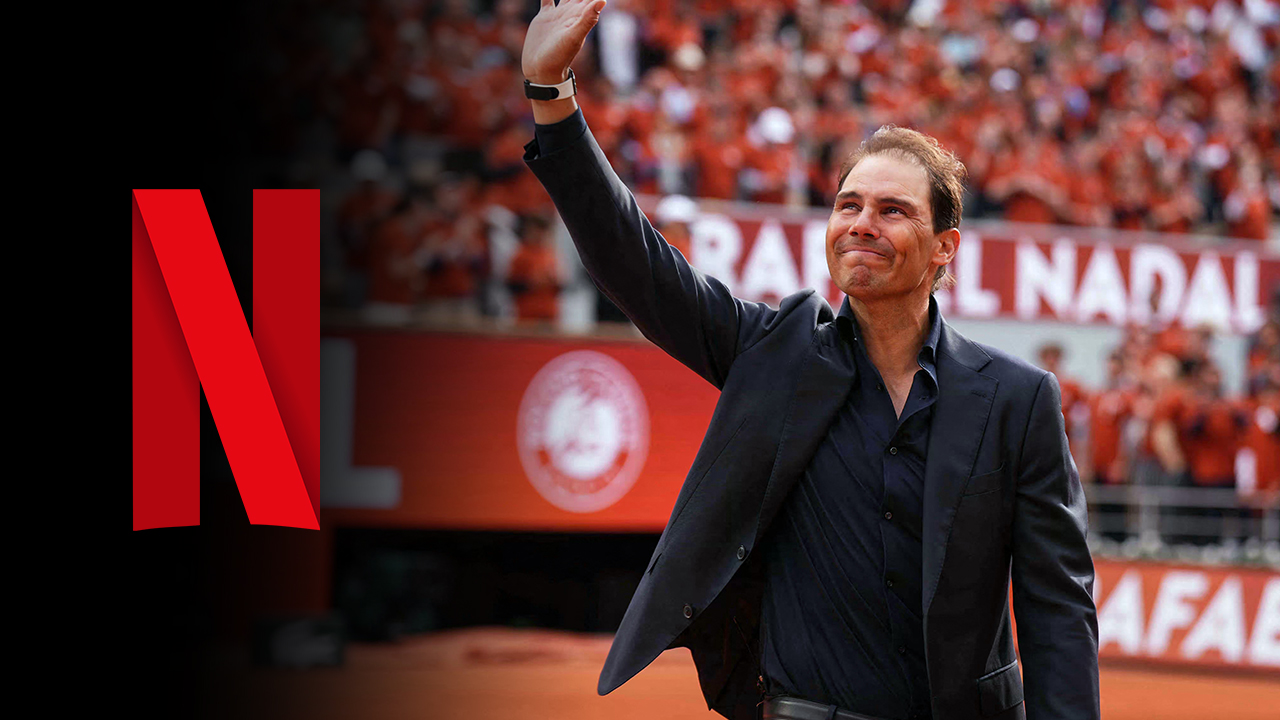
This shift in perspective coincides with the release of an intimate look into his life via a high-profile docu-series, which peels back the layers of the “King of Clay” to reveal the immense psychological and physical cost of his dominance. For fans and analysts alike, the realization that Nadal has finally closed a specific chapter of his competitive struggle marks a pivotal moment in the history of the ATP Tour. It is not merely the end of a playing era, but the resolution of a lifelong battle with attrition.
Decoding the ‘Closed Chapter’: What it Means for Nadal
When a professional athlete of Nadal’s caliber speaks of a chapter being “well and truly closed,” it rarely refers to a single match or a solitary season. Instead, it signals a psychological liberation. For years, Nadal’s career was a cycle of peak performance followed by agonizing injury layoffs. The “chapter” in question is the era of obsessive fighting against the inevitable decline of the body.
The ATP Tour has long been the stage for Nadal’s legendary resilience, but that resilience often bordered on suffering. To understand why he is now “at peace,” one must understand the nature of his struggle. Nadal did not just play tennis; he endured it. Every victory was forged through a level of physical exertion that few humans could sustain, let alone maintain for twenty years.
“The transition from fighting for survival on the court to accepting the natural progression of a career is perhaps the hardest match any champion ever has to play.”
By declaring this chapter closed, Nadal is effectively releasing the burden of the “what if.” The drive to return to the absolute summit of the rankings, despite the mounting evidence of physical fragility, has evolved into a desire for grace and legacy. This acceptance allows him to view his achievements not through the lens of what was lost to injury, but through the totality of what was won through sheer force of will.
Key Pillars of Nadal’s Competitive Evolution
- The Ascent: The early years characterized by raw power and an unprecedented dominance on clay.
- The Rivalry Era: The mental and physical chess matches with Roger Federer and Novak Djokovic that pushed the boundaries of the sport.
- The War of Attrition: A decade spent managing chronic foot injuries and abdominal strains while remaining a top-tier threat.
- The State of Peace: The current phase of reflection, where the focus has shifted from accumulation to appreciation.
The Anatomy of Endurance: Insights from the ‘Rafa’ Docu-Series
The recent docu-series providing an inside look at Nadal’s life serves as a visceral study of endurance. While many sports documentaries focus on the glory of the trophy lift, this project delves into the “soil, toil, and turmoil” that occurred behind the scenes. It presents a portrait of a man who viewed suffering as a prerequisite for success.
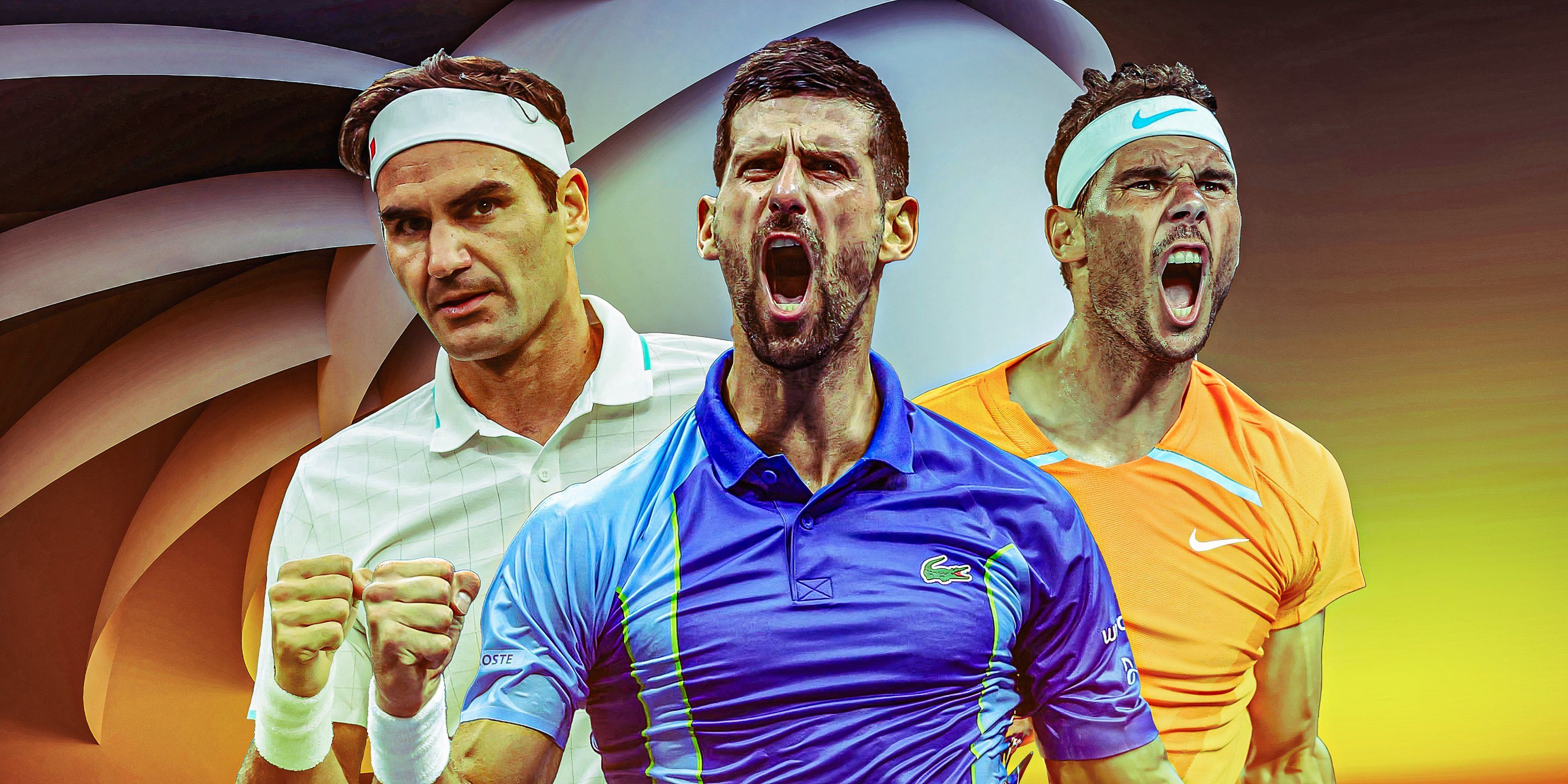
The series highlights the dichotomy of Nadal’s existence: the public image of the invincible champion and the private reality of a man spending hours in ice baths, physiotherapy sessions, and solitary recovery rooms. It emphasizes that his greatness was not a product of effortless talent, but of a calculated, daily decision to endure pain that would have sidelined most other athletes.
The Psychological Cost of Perfection
The documentary underscores a critical point: Nadal’s mental strength was not the absence of fear or pain, but the ability to function at an elite level while immersed in them. This “anatomy of endurance” reveals that the mental toll was often heavier than the physical one. The constant pressure to maintain his standards while his body signaled a breakdown created a state of permanent tension.
Seeing Nadal “at peace” now provides a necessary resolution to this narrative. The docu-series acts as a bridge, allowing the audience to see the vulnerability behind the intensity. It transforms him from a sporting machine into a human being who has finally given himself permission to stop fighting the clock.
A Legacy Forged in Turmoil: The Physical Toll
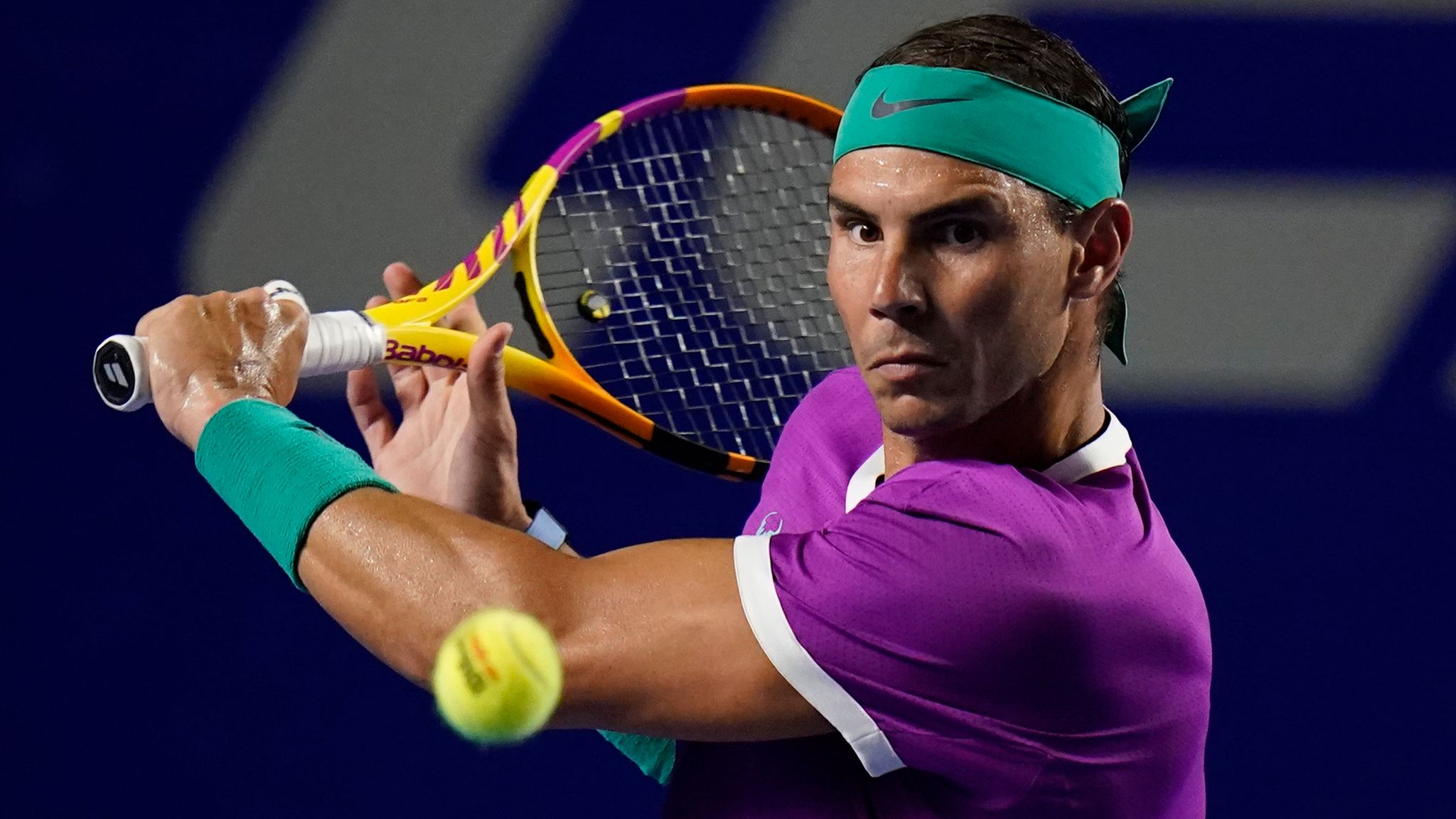
To appreciate the significance of the statement Nadal at peace: ‘That chapter is well & truly closed’ – ATP Tour, one must examine the specific physical hurdles Nadal overcame. His career is a case study in sports medicine and human willpower.
For much of his later career, Nadal battled Mueller-Weiss syndrome, a rare degenerative condition affecting the navicular bone in the foot. This condition typically makes high-impact sports nearly impossible. Yet, through a combination of innovative footwear, specialized physiotherapy, and an incredible pain threshold, he continued to win Grand Slams.
| Era/Phase | Primary Physical Challenge | Outcome/Achievement |
|---|---|---|
| Early Career | General joint stress & growth | Rapid rise to World No. 1 |
| Mid-Career | Knee tendinitis & wrist injuries | Completion of the Career Grand Slam |
| Late Career | Mueller-Weiss Syndrome & Hip injuries | Continued dominance at Roland Garros |
| Current Phase | Systemic physical attrition | Transition to legacy and peace |
The “turmoil” mentioned in recent analyses of his career refers to this constant oscillation between health and injury. Every comeback was a gamble. Every tournament was a test of whether his body would hold together for another three-hour match. Closing that chapter means no longer having to gamble with his long-term health for the sake of a ranking point.
The Wider Impact on the ATP Tour and Global Tennis
Nadal’s transition affects more than just his own psyche; it alters the landscape of the ATP Tour. For nearly two decades, Nadal, Federer, and Djokovic formed a “Big Three” that monopolized the sport. Their presence created a psychological barrier for the next generation of players, who felt they were competing for fourth place.
As Nadal finds peace and closes his competitive chapter, a vacuum is created—not just in the rankings, but in the ideological approach to the game. Nadal represented the “maximalist” approach: maximum effort, maximum intensity, and maximum suffering. The new generation, while physically gifted, often employs a more managed, scientific approach to their careers.
The Shift in Sporting Archetypes
Nadal was the last of the “gladiators” in the purest sense. His game was built on heavy topspin and grueling rallies that exhausted the opponent. With his departure from the peak of the game, the ATP Tour moves toward a faster, more baseline-centric style of play. However, the standard of mental toughness he set remains the benchmark for all aspiring champions.
For those interested in how the sport is evolving, a related explainer on the evolution of ATP playing styles provides deeper context on the shift from the baseline grind to the modern aggressive game.
Common Misconceptions About Nadal’s Retirement Phase
There is a tendency among casual observers to view Nadal’s current state as a sign of defeat or a sudden loss of passion. This is a fundamental misunderstanding of the athlete’s journey. Finding peace is not the same as giving up; it is the act of choosing a different kind of victory.
- Misconception: Nadal is retiring because he no longer loves the game.
Reality: His love for tennis remains intact, but his relationship with the struggle of professional competition has changed. - Misconception: The “closed chapter” means he will never pick up a racket again.
Reality: It refers to the obsessive, high-stakes pursuit of titles and the mental anguish of fighting chronic injury. - Misconception: His legacy is diminished because he didn’t “go out on top” in a final Grand Slam win.
Reality: His legacy is defined by the 22 Slams and the unprecedented dominance on clay, regardless of the specific timing of his exit.
The Philosophy of the ‘Warrior’s Rest’
In many ways, Rafael Nadal’s journey mirrors the classic hero’s arc. The youth spent in conquest, the middle years spent in a desperate struggle to maintain power against the forces of nature (in this case, biology), and the final stage of wisdom and acceptance.
The phrase “well and truly closed” suggests a definitive boundary. In the world of elite sports, athletes often linger too long, clinging to a version of themselves that no longer exists. Nadal’s ability to recognize the closing of the chapter is a sign of the same intelligence that made him a champion on the court. He is avoiding the tragedy of the fading star, choosing instead to exit with his dignity and his peace intact.
This peace is a hard-won prize. It was not granted by a trophy or a ranking; it was earned through thousands of hours of pain and the courage to eventually say, “Enough.” For the fans, the joy is no longer in wondering if he can win one more title, but in appreciating the sheer magnitude of what he has already accomplished.
Frequently Asked Questions
What does Nadal mean by “that chapter is well & truly closed”?
It refers to the period of his life and career defined by an obsessive battle against chronic injuries and the relentless drive to stay at the absolute top of the ATP rankings. It signals a shift from a mindset of “fighting” to a mindset of “acceptance and peace.”
How does the Netflix docu-series contribute to this narrative?
The series provides an intimate look at the physical and emotional suffering Nadal endured behind the scenes. By showing the “toil and turmoil” of his recovery processes, it helps the audience understand why finding peace is such a significant milestone for him.
Is Rafael Nadal officially retired from the ATP Tour?
While Nadal has spoken about the closing of chapters and the difficulty of his physical condition, he has navigated his transition with nuance. The “closed chapter” refers more to his psychological approach to the game than a formal, abrupt resignation from all tennis activity, though he is clearly in the final stages of his professional career.
What was the primary injury that affected Nadal’s later career?
The most significant challenge was Mueller-Weiss syndrome, a degenerative condition in the navicular bone of his foot. This, combined with recurring hip and abdominal injuries, made the later years of his career a constant struggle for physical stability.
How did the “Big Three” rivalry impact Nadal’s mental health?
The rivalry with Roger Federer and Novak Djokovic pushed Nadal to heights of greatness that would have been impossible in isolation. However, it also demanded a level of perfection and intensity that contributed to the “suffering” highlighted in recent documentaries, as he felt he had to be superhuman to compete.
The story of Rafael Nadal is no longer a story of wins and losses. It is a story of the human spirit’s capacity to endure, and more importantly, its capacity to eventually let go. As the dust settles on the red clay of his legendary career, the image that remains is not just that of a champion, but of a man who has finally found the stillness he deserves after a lifetime of storm.
