
The May inflation numbers are due out Wednesday morning. Here’s what to expect – CNBC
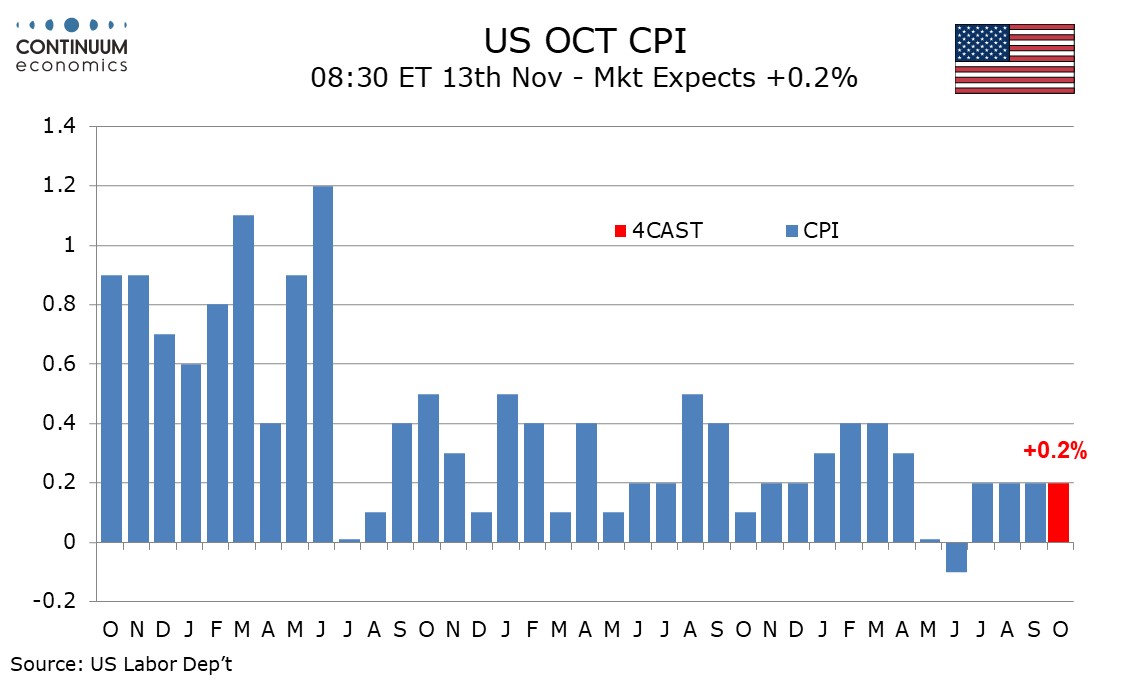
The U.S. May Consumer Price Index (CPI) report is scheduled for release Wednesday morning, June 10, according to data from TradingView and CNBC. Market participants are monitoring the figures to determine if inflation is cooling, with a specific focus on the impact of energy costs and air fares on the headline number, as reported by Continuum Economics.
What are the primary drivers of the May inflation report?
Economists are centering their attention on a few volatile sectors that could disproportionately swing the May CPI results. According to Continuum Economics, energy prices and air fares are the primary variables expected to influence the upcoming data. These categories often fluctuate independently of broader economic trends, meaning a spike in jet fuel or crude oil can push the headline inflation rate higher even if other goods are stabilizing.
The Consumer Price Index measures the average change over time in the prices paid by urban consumers for a market basket of consumer goods and services. Because energy and travel are heavily weighted in this basket, their movement often dictates whether the report is perceived as “hot” or “cool” by the financial markets.
Key factors currently under scrutiny include:
- Energy Volatility: Fluctuations in gasoline and heating oil prices that directly impact transportation and manufacturing costs.
- Travel Costs: Air fares, which have shown significant volatility as travel demand shifts and airline capacity adjusts.
- Core CPI: The measure that strips out food and energy to provide a clearer view of long-term inflation trends.
How does recent employment data influence inflation expectations?
The upcoming inflation print arrives after a period of volatility in the labor market. According to ig.com, U.S. equities have seen a rebound, but the CPI report “looms large” following the release of “hot jobs data.”
The relationship between employment and inflation is a primary concern for the Federal Reserve. When jobs data is “hot”—meaning hiring is strong and unemployment remains low—it often leads to upward pressure on wages. While higher wages benefit workers, they can create a feedback loop where companies raise prices to cover increased labor costs, thereby fueling further inflation.
“US equities rebound, but CPI looms large after hot jobs data,” reports ig.com, highlighting the tension between a strong labor market and the desire for lower inflation.
Investors typically view strong employment as a sign of economic health, but in the current environment, it is often interpreted as a signal that the Federal Reserve may keep interest rates higher for longer to prevent the economy from overheating.
What is the impact of supply shocks on real wages?
Beyond the headline numbers, there is a growing concern regarding the erosion of purchasing power. The Real Economy Blog notes a critical intersection between supply shocks, the CPI, and falling real wages.
A supply shock occurs when an unexpected event suddenly changes the supply of a product or commodity, resulting in an unforeseen change in price. When these shocks drive up the cost of essential goods, the cost of living rises. If nominal wages (the dollar amount on a paycheck) do not rise as fast as the CPI, “real wages”—the actual purchasing power of those earnings—decline.
The current economic dynamic can be broken down as follows:
| Economic Factor | Immediate Effect | Long-term Impact on Consumer |
|---|---|---|
| Supply Shock | Price spikes in specific goods | Increased cost of living |
| Rising CPI | Reduced value of currency | Lower purchasing power |
| Falling Real Wages | Income fails to keep pace with prices | Reduced consumer spending |
This trend creates a challenging environment for households, as the nominal gains in pay mentioned in jobs reports may be offset by the price increases revealed in the Wednesday morning CPI data.
Why do investors care about the Wednesday morning release?
The May inflation numbers are a critical data point for the Federal Reserve’s decision-making process regarding interest rates. The central bank has a mandate to maintain price stability, typically targeting a 2% inflation rate. If the Wednesday report shows that inflation remains sticky or is accelerating, the Fed is less likely to cut interest rates.
High interest rates increase the cost of borrowing for businesses and consumers, which is intended to slow down spending and bring prices down. However, these same rates can weigh on equity markets by increasing the discount rate used to value future earnings.
According to the analysis from ig.com, the market is currently in a state of precarious balance. The recent rebound in equities suggests optimism, but that optimism is contingent on the inflation data confirming a downward trend. A “hot” report could trigger a sell-off as traders price in a more aggressive stance from the Federal Reserve.
Potential Market Scenarios
- Lower-than-expected CPI: This would likely be viewed as a victory for the Fed’s restrictive policy, potentially sparking a rally in stocks and a decline in Treasury yields.
- In-line CPI: Markets may remain stable, continuing to rely on subsequent data points before making a definitive move.
- Higher-than-expected CPI: This could lead to increased volatility, as it suggests that inflation is entrenched and interest rates will remain elevated.
Common misconceptions about CPI data
One common oversimplification is the belief that a single month’s CPI report can dictate the entire year’s economic trajectory. In reality, the Federal Reserve looks at a “trend” of data rather than a single print. While the May numbers are significant, they are one piece of a larger puzzle that includes the Personal Consumption Expenditures (PCE) price index and monthly employment reports.
Another misconception is that “headline inflation” is the only number that matters. As noted by the focus on energy and air fares from Continuum Economics, headline inflation can be skewed by temporary shocks. This is why economists prioritize “Core CPI,” which removes the volatile food and energy components to see if the underlying inflation is actually slowing down.
Finally, there is a distinction between nominal inflation and real wage growth. A report showing that wages are rising by 4% may seem positive, but if the CPI is rising by 5%, workers are effectively experiencing a 1% pay cut in terms of what they can actually buy.
Frequently Asked Questions
When exactly are the May inflation numbers released?
According to TradingView and CNBC, the U.S. May CPI data is due out Wednesday morning, June 10.
Which specific costs are expected to impact the May report?
Continuum Economics highlights energy prices and air fares as key components that could influence the final numbers.
How does “hot jobs data” affect the inflation outlook?
As reported by ig.com, strong employment data can lead to higher wages, which may put upward pressure on prices and cause the Federal Reserve to keep interest rates higher for longer.
What is the difference between headline CPI and Core CPI?
Headline CPI measures the total inflation across all categories. Core CPI excludes food and energy prices to remove the volatility associated with those specific markets, providing a clearer view of long-term price trends.
What happens to “real wages” when inflation rises?
According to The Real Economy Blog, when inflation rises faster than nominal wages, real wages fall, meaning consumers can buy fewer goods and services with their income.
For more information on how these trends impact the broader economy, readers may find a related explainer on Federal Reserve monetary policy useful for understanding the link between CPI and interest rates.
