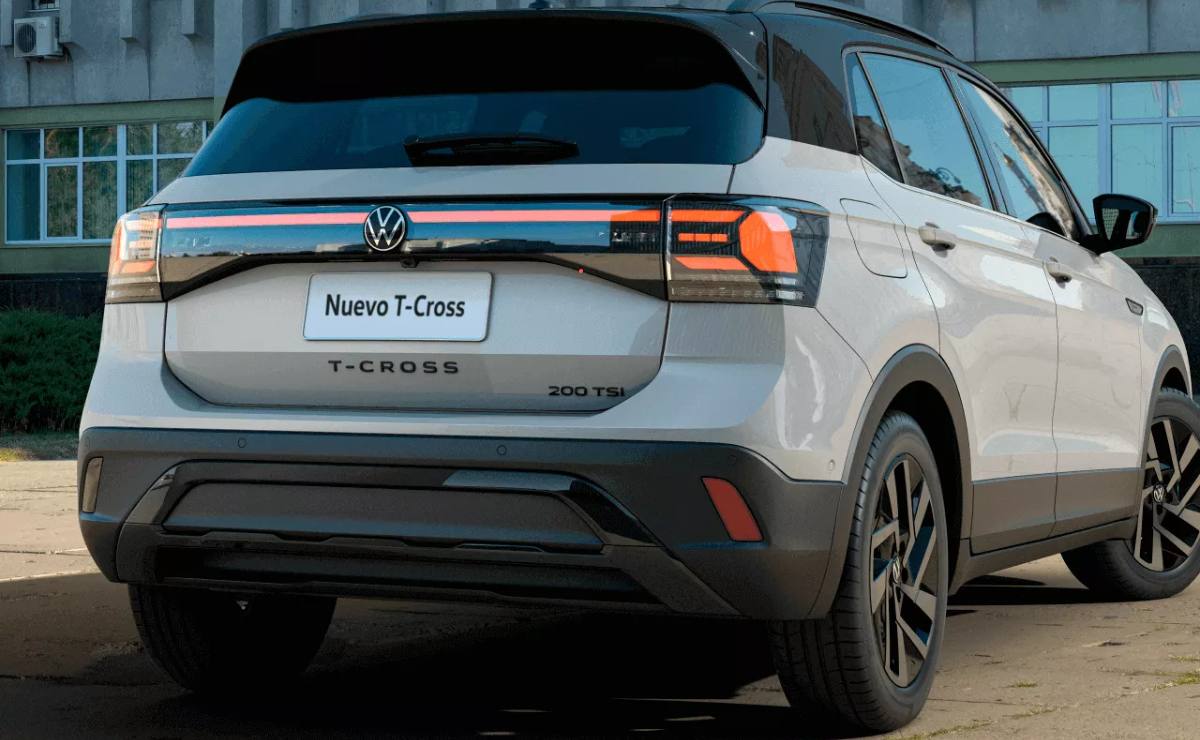
Volkswagen updated the pricing and model configurations for the T-Cross in June, according to reports from Auto Test. The adjustment aligns the entry-level SUV’s cost structure with current market demand and competitor pricing within the compact crossover segment.
- Updated June price list implemented for the T-Cross range.
- Revised model configurations and trim levels.
- Strategic positioning to maintain volume in the competitive B-SUV category.
Why the T-Cross Range Update Matters for Consumers
Mid-year price and range adjustments allow manufacturers to react to real-time inventory levels and inflationary pressures. For a high-volume model like the T-Cross, these shifts directly impact monthly leasing costs and the entry-level affordability for retail buyers. According to local media reports, the revised “gama” or range ensures that the vehicle remains an accessible entry point into the Volkswagen brand.

These changes typically occur when a manufacturer needs to shift consumer interest toward specific trim levels that may have higher margins or higher stock levels. For the end consumer, a June update often signals a transition in available equipment packages before the next model year’s specifications are finalized.
Strategic Positioning in the B-SUV Market
The B-SUV segment is one of the most contested in the European automotive market. By refreshing the range and pricing, Volkswagen can better segment its offerings to compete with rivals who frequently update pricing to attract buyers moving away from traditional hatchbacks.
This move follows a broader industry trend where manufacturers utilize frequent, incremental price pivots rather than single annual increases. This strategy helps stabilize demand and prevents large price shocks that could drive customers toward competitors. The T-Cross serves as a critical volume driver for the company, making its price elasticity a key factor in overall regional profitability.
